
The concept of the local vs. universal church is a significant theme in the Bible, with the local church referring to a specific congregation of believers in a particular geographic location, such as the church in Corinth (1 Corinthians 1:2) or the church in Ephesus (Ephesians 1:1). In contrast, the universal church encompasses all believers across time and space, united in their faith in Jesus Christ, as described in Galatians 3:28, where it is written that "there is neither Jew nor Gentile, neither slave nor free, nor is there male and female, for you are all one in Christ Jesus." This dual understanding of the church is rooted in the biblical teaching that believers are part of a larger body of Christ, with Jesus as the head (Colossians 1:18), and that local congregations are manifestations of this universal body. Through their faith and worship, local churches participate in the broader mission of the universal church, seeking to fulfill the Great Commission (Matthew 28:19-20) and bring glory to God.

Watchman Nee emphasizes the distinction between the universal Church and local churches, explaining that while the Church is one body, the apostles established separate churches based on locality. He clarifies that the term 'church' refers to the assembly of believers in a specific place, and that t

Francis Chan emphasizes the critical importance of unity within the church, warning against the destructive nature of division and gossip. He reflects on biblical examples of God's severe response to those who treat sacred matters lightly, urging believers to recognize their role as God's temple and
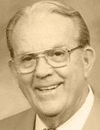
Ralph Sexton Sr. emphasizes the profound mercy and grace of God, questioning why God chooses to show compassion to humanity despite our unworthiness. He highlights the importance of unity among believers, asserting that when God's people come together in prayer and humility, divine intervention occu

Robert Arthur emphasizes the significance of the Church as the body of Christ, highlighting that believers are called into fellowship with Jesus and are part of His divine plan. He discusses the diversity of gifts within the Church, stressing that each member has a unique role and function, all unde

George Verwer emphasizes the necessity of united action in the face of spiritual warfare, urging believers to be motivated by love and compassion as they prepare for outreach. He highlights that faith naturally leads to action, and that unity among believers is crucial for effective ministry and ove

William MacDonald emphasizes the importance of distinguishing between fundamental and secondary matters in the Christian faith, urging believers to focus on the weightier matters of the law such as judgment, mercy, and faith. He expresses concern over the divisions caused by disagreements on non-fun
Joseph Carroll emphasizes the significance of Jesus' prayer in John 17, highlighting the themes of protection from evil, the importance of unity among believers, and the call to be sanctified for the purpose of witnessing to the world. He illustrates how Jesus prayed for His disciples without compla
Phil Beach Jr. emphasizes the critical need for Christians to confront the sin of false judgment, urging believers to examine their hearts and recognize the destructive nature of judging others based on outward appearances. He highlights the importance of allowing the Holy Spirit to reveal our own s
Peter Brandon emphasizes the vital role of the Holy Spirit in preaching and pastoral care, illustrating how the early Christians faced challenges yet thrived through the power of the Spirit. He highlights the significance of prayer, unity, and the transformative experience of the Pentecost, where th
Watchman Nee discusses the concept of the 'soulish man,' emphasizing that such individuals, whether unregenerated or soulish believers, lack spiritual discernment and understanding of God's truths. He highlights that soulish wisdom, derived from human intellect, leads to divisions and conflicts with