
The biblical topic of "Faith and Transformation" is a central theme in Christian theology, emphasizing the profound impact of faith on an individual's life and character. As described in Romans 12:2, faith leads to transformation through the renewal of one's mind, resulting in a deeper understanding of God's will and a more Christ-like life. This transformation is rooted in the assurance of God's love and care, as expressed in Psalms 23:1, where the Psalmist declares, "The Lord is my shepherd, I lack nothing," and is further underscored in 2 Corinthians 5:17, which states that in Christ, believers become new creations, old things passing away and all things becoming new. Through faith, individuals experience a radical transformation, empowering them to live a life of obedience, service, and devotion to God.
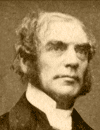
Octavius Winslow reflects on the profound nature of God's law, emphasizing its perfection and the necessity of love for God as the ultimate fulfillment of the law. He discusses the mystery of divine wisdom and the transformative power of faith, illustrating how true understanding of God comes throug
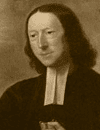
John Wesley preaches on 'The Marks of the New Birth,' emphasizing that being born of the Spirit involves a transformative faith that leads to power over sin, peace with God, and a profound love for others. He outlines the essential marks of this new birth, including faith, hope, and love, which are

Chuck Smith emphasizes God's requirements for His people as outlined in Micah 6:8, which include doing justly, loving mercy, and walking humbly with God. He explains that while God's ideal requirements may seem unattainable, through faith in Jesus Christ, believers can receive forgiveness and the Ho

Zac Poonen preaches on the paths of the righteous, emphasizing that unlike the fluctuating experiences of Old Testament figures, the life of a believer should be a steady ascent towards holiness, akin to the rising sun. He illustrates that true righteousness is not about adhering to rules but about

Hans R. Waldvogel emphasizes the profound mystery of God manifesting in the flesh through Jesus Christ, who lives within believers, transforming their lives. He explains that true faith is rooted in the indwelling of Christ, allowing believers to experience a personal relationship with God and to pr
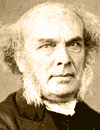
Horatius Bonar challenges the congregation with the question, 'What think ye of Christ?' He emphasizes the importance of understanding Christ's identity as both God and man, the significance of His work as a sin-bearer, and the nature of His kingdom. Bonar urges believers to align their views with S

F.B. Meyer emphasizes the profound mystery of Christ's indwelling within the hearts of Gentiles, highlighting that this revelation, brought forth by the Apostle Paul, signifies that all believers, regardless of their background, are co-heirs of the Gospel. He explains that Christ's presence within u

Theodore Epp emphasizes the significance of fulfilling God's 'royal law' as outlined in James 2:1-13, which calls for love and equality among all people, regardless of their social status. He warns against the sin of showing favoritism, highlighting that such behavior contradicts the spirit of Chris

A.W. Tozer emphasizes that despite living in the age of grace, the Ten Commandments remain relevant and binding as they reflect God's moral will for His people. He critiques the modern tendency to dismiss the commandments, arguing that they are essential for understanding our need for the gospel of

John Gill emphasizes that sin, in any form, represents a deliberate and persistent transgression of God's moral law, which is essential for a righteous life. He clarifies that while human laws may vary, true sin is defined by its opposition to God's commandments, which encompass our thoughts, words,