
Full surrender in the Bible refers to the complete yielding of oneself to God’s will, purpose, and guidance. This concept is deeply rooted in numerous biblical passages, reflecting the call for believers to trust in the Lord and relinquish their own desires and ambitions in favor of divine direction. One of the clearest expressions of this principle is found in Romans 12:1-2, where Paul urges believers to present their bodies as living sacrifices, holy and pleasing to God, which is their spiritual worship. This act of surrender involves a transformation of the mind, aligning one’s thoughts and actions with God’s will.Additionally, Jesus exemplified full surrender during His earthly ministry, particularly in the Garden of Gethsemane when He prayed, "Not my will, but yours be done" (Luke 22:42). This prayer encapsulates the essence of surrender, highlighting the tension between human desire and divine purpose. Believers are called to follow this example, embracing the idea that true fulfillment and purpose come through surrendering to God rather than pursuing personal ambitions (Matthew 16:24-26). In essence, full surrender is about relinquishing control, trusting in God's plan, and allowing His Spirit to lead and guide one's life.

In this sermon, the speaker shares his personal experience of feeling distant from God and filled with despair. However, he emphasizes that through prayer and trust in the Lord, he was able to overcome his struggles. The speaker also discusses the life of a king in the Bible who trusted in God and f

In this sermon, the speaker shares a story about a young girl who had a life-changing encounter with the gospel message. The girl accepted Christ as her Savior and wrote a letter to her father to share the good news. The father, upon reading the letter, immediately sent a telegram asking her to come

Shane Idleman passionately pleads for full surrender to Christ, emphasizing that true freedom comes from fearing God rather than man. He warns against the deceptive nature of sin, which grows if not actively dealt with, and encourages believers to repent and believe in the gospel. Idleman highlights
Shane Idleman emphasizes the critical doctrines of salvation in his sermon 'Half Right - Almost Saved,' exploring the concepts of propitiation, substitutionary atonement, redemption, justification, and sanctification. He warns against being 'half right' in faith, stressing that true salvation comes

Chuck Smith emphasizes the dangers of compromising one's faith while living in the world, illustrating how Pharaoh represents Satan's attempts to lead believers into half-hearted commitments. He argues that many Christians try to serve both God and worldly desires, which is impossible according to C

Paul West reflects on Charles Spurgeon's sermon, emphasizing the monstrous nature of sin that leads people to live as if God does not exist. He highlights the alarming reality that many individuals neglect God entirely, failing to consider His presence in their actions or the consequences of their c
Phil Beach Jr. emphasizes the importance of recognizing and abhorring sin in our lives, illustrating this through the story of Amnon and Tamar in 2 Samuel 13. He explains that the conflict within Christians arises from the struggle between allegiance to God and self, and that true freedom comes from
Phil Beach Jr. emphasizes the importance of understanding the human heart's sinful nature and the tendency to blame external circumstances for our actions. He explains that true wisdom and instruction come from recognizing our inherent sinfulness and the need for Christ's redemptive power in our liv

Thomas Brooks emphasizes that true repentance involves a deep awareness of the sinfulness of sin and its destructive consequences, contrasting the nature of God with the nature of sin. He explains that true repentance is marked by sorrow, contrition, and a loathing of both sin and oneself, leading t
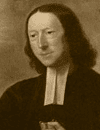
John Wesley explores the pervasive influence of the 'mystery of iniquity' that has infiltrated humanity since the fall of man, emphasizing that while God created man upright, sin has spread throughout the earth. He highlights the redemptive work of Christ as the antidote to this iniquity, yet notes