
The concept of spiritual qualifications is rooted in the Bible, emphasizing the characteristics and virtues necessary for a profound relationship with God and effective service in the Christian faith. As outlined in 1 Timothy 3:2-7, spiritual leaders are expected to embody qualities such as faithfulness, self-control, and hospitality, demonstrating a strong foundation in their faith. Additionally, Galatians 5:22-23 highlights the importance of the fruit of the Spirit, including love, joy, and patience, as essential spiritual qualifications for believers, while Psalms 15:1-5 provides a framework for living a righteous and spiritually qualified life, emphasizing integrity, righteousness, and a commitment to God's commands. By striving to embody these spiritual qualifications, Christians can deepen their walk with God and fulfill their calling to serve and glorify Him.

T. Austin-Sparks emphasizes that the qualifications for service in God's kingdom are not based on natural abilities but on spiritual devotion, energy, and unselfishness, as exemplified by Timothy. Despite his youth, timidity, and physical weaknesses, Timothy was chosen by Paul for significant respon

Leonard Ravenhill emphasizes the significance of the Judgment Seat of Christ, where every believer's life and service will be evaluated. He contrasts the eternal rewards for faithful service with the loss of those whose lives are built on superficiality, represented by wood, hay, and stubble. Ravenh

Phil Beach Jr. emphasizes the futility of seeking fulfillment in worldly pursuits, drawing from the experiences of Solomon and John the Baptist. He highlights that true satisfaction can only be found in a relationship with Jesus, urging listeners to give their hearts solely to Him rather than to the
Phil Beach Jr. emphasizes the importance of finding true satisfaction and peace in God rather than in worldly concerns, particularly for young people who often fret about their future. He encourages them to devote their hearts fully to God, assuring that if they seek Him first, everything else will
Phil Beach Jr. emphasizes the transformative power of God's grace in the lives of the righteous, urging believers to seek a deeper relationship with God and to love Him with all their heart, soul, mind, and strength. He highlights the importance of truth in overcoming the enemy's lies and the need f
Phil Beach Jr. emphasizes the critical need for believers to prioritize hearing the voice of God over the distractions of the world, warning that many are more influenced by human voices than divine guidance. He highlights that true devotion to God must be unconditional, not based on what we receive
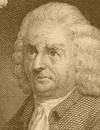
William Law, a prominent figure in the English mystic tradition, emphasized the necessity of a life centered on God and the continuous leading of the Holy Spirit. His works, particularly 'A Serious Call to a Devout and Holy Life,' challenged readers to pursue genuine piety and obedience, asserting t

Andrew Murray emphasizes the necessity for believers to allow God to address the sins within their hearts in order to awaken the church and lead to a more devoted life in service to Jesus. He asserts that true transformation and the flow of living water from believers can only occur when they permit

Brother Andrew shares a personal testimony of enduring severe back pain while studying in Scotland, finding solace in Oswald Chambers' book, 'My Utmost for His Highest.' He reflects on Chambers' insight that suffering is often a preparation for greater usefulness in God's hands. Inspired by this, An

Charles Finney addresses the objections to protracted meetings, emphasizing that all time belongs to God and should be used for His glory. He argues that while some may view these meetings as a seasonal effort, they are essential for promoting revivals, especially during times when people have more