
In the biblical context, God's Law refers to the divine principles and commandments that govern human behavior and relationships, as revealed in the Scriptures, particularly in the book of Exodus (Exodus 20:1-17) and reaffirmed by Jesus in the New Testament (Matthew 22:37-40). The Law is seen as a reflection of God's character and will, guiding believers towards righteous living and a deeper understanding of their covenant with God, as emphasized in Psalms 119:105, where the psalmist affirms that God's word is a lamp to guide their feet. Through the Law, God establishes a moral framework for humanity, and as Romans 3:20 notes, it is by the Law that people become conscious of their sin and their need for redemption. By faith, Christians are freed from the burden of the Law, yet they are still called to live according to its principles, as a testament to their love for God and their neighbor.
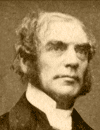
Octavius Winslow reflects on the profound nature of God's law, emphasizing its perfection and the necessity of love for God as the ultimate fulfillment of the law. He discusses the mystery of divine wisdom and the transformative power of faith, illustrating how true understanding of God comes throug
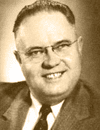
Theodore Epp emphasizes the significance of fulfilling God's 'royal law' as outlined in James 2:1-13, which calls for love and equality among all people, regardless of their social status. He warns against the sin of showing favoritism, highlighting that such behavior contradicts the spirit of Chris

A.W. Tozer emphasizes that despite living in the age of grace, the Ten Commandments remain relevant and binding as they reflect God's moral will for His people. He critiques the modern tendency to dismiss the commandments, arguing that they are essential for understanding our need for the gospel of

John Gill emphasizes that sin, in any form, represents a deliberate and persistent transgression of God's moral law, which is essential for a righteous life. He clarifies that while human laws may vary, true sin is defined by its opposition to God's commandments, which encompass our thoughts, words,

In this sermon, the speaker discusses the message of the law of God as found in Leviticus chapter 19. The law emphasizes the need for holiness, as God himself is holy. The speaker also highlights the ability of the law to silence every mouth, hold the entire world accountable to God, and provide kno
In this sermon, the preacher discusses the message and content of the law of God. He refers to Deuteronomy chapter 9, where Moses receives the tablets of stone containing the words spoken by God. The preacher emphasizes that the old covenant of law still stands, with the standard of being holy and l
Bob Hoekstra delves into the purpose of God's law, emphasizing that it was added because of transgressions to make people aware of their sinfulness and accountability before God. The law does not replace God's promises but serves to reveal His holiness and the standard of holy living He desires for
In this sermon, the speaker emphasizes the need for God to work in the world, as they believe that the law of God has been disregarded. They express their love for God's commandments and view them as more valuable than gold. The speaker also highlights the importance of God's word in bringing light
C.I. Scofield emphasizes the powerful impact of the law in convicting hearts and revealing sin, using King Josiah's reaction to the law as an example of despair and realization of guilt. The law's purpose is to stop every mouth and make the world guilty before God, showing the need for mercy through
Daniel Steele addresses the need for reform in the understanding and use of the term 'sin,' pointing out the various interpretations and historical roots of the term's confusion. He critiques Paul's use of 'sin' and emphasizes the importance of defining sin as a deviation from duty and a willful vio
This sermon delves into the book of Exodus, focusing on the people, the development of the Hebrews, the problem they faced, the prophet Moses as their deliverer, and the power of God demonstrated through the Passover. It explores the prophecy found in Exodus, highlighting the laws given by God to Mo
In this sermon, the preacher begins by discussing how Jesus quoted the Spirit of the Lord and declared that God had anointed him. He then outlines the things Jesus would be doing for the next three years and emphasizes the importance of understanding who Jesus is and how he operates. The preacher ex
Henry Law preaches about the significance of God's Law revealed at Mount Sinai, emphasizing the majesty and holiness of Jehovah as portrayed through the commandments. The Law serves as a mirror to reflect the sinfulness and need for cleansing in every individual, ultimately pointing to the necessity
John Piper preaches about the importance of understanding the law of God and fulfilling it in the Spirit of love. He clarifies the misconceptions surrounding the Mosaic law, emphasizing that the law aims at producing faith and obedience, not meritorious works. Piper explains that love fulfills the l
Martin Knapp emphasizes the importance of obeying God's Law, highlighting that disobedience to even one law is a defiance to Him and leads to destruction of the soul. He explains that the Law acts as a mirror, revealing our sins and need for Jesus to cleanse us. Knapp illustrates the consequences of
St. Augustine preaches on the glory of God revealed through the heavens and the works of His hands, as well as the proclamation of His Word day and night. He emphasizes the universal reach of the Gospel, declaring that the Evangelists' voices have been heard in every language. St. Augustine reflects