
Moral inability refers to the state of humanity's inability to choose good over evil due to the pervasive nature of sin, as articulated in Romans 3:10-12, which states, "None is righteous, no, not one; no one understands; no one seeks for God." This concept is rooted in the doctrine of original sin, where the fall of Adam and Eve in Genesis 3 introduced a fundamental brokenness in human nature. As a result, individuals are not merely inclined to sin but are fundamentally unable to choose righteousness without divine intervention. Jesus underscores this in John 6:44, declaring, "No one can come to me unless the Father who sent me draws him," emphasizing the necessity of God's grace in overcoming moral inability. Furthermore, in Ephesians 2:1-3, Paul describes humanity as "dead in trespasses and sins," illustrating the depth of our moral incapacity apart from Christ. The implications of moral inability challenge moralistic preaching, which often suggests that individuals can achieve righteousness through their efforts. Instead, the biblical narrative consistently points to the need for regeneration and the transformative power of the Holy Spirit, as seen in Titus 3:5, where Paul writes, "He saved us, not because of works done by us in righteousness, but according to his own mercy." Understanding moral inability is crucial for grasping the depth of God's grace and the necessity of faith in Christ for salvation.
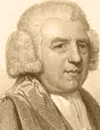
John Newton, in a letter to a friend, expresses his desire to maintain a candid and respectful dialogue despite differing views, emphasizing the importance of mutual freedom and understanding in communication. He encourages his friend to seek the pearl of great price, alluding to a personal transfor