
The Divine Origin of the Church is a fundamental concept in Christian theology, rooted in the idea that the church was established by God Himself. According to the Bible, Jesus Christ declared, "I will build my church" (Matthew 16:18), emphasizing the divine initiative behind the church's foundation. The apostle Paul further elaborates on this concept, stating that the church is the "body of Christ" (1 Corinthians 12:27) and that God is the one who "so loved the world that he gave his one and only Son" (John 3:16), demonstrating God's sovereign plan to redeem humanity through the church. As the church's divine origin is intertwined with God's redemptive plan, it is essential to understand this concept in the context of Christian faith, as it underscores the church's purpose and mission to spread the gospel and glorify God.
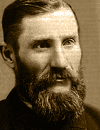
D.S. Warner emphasizes the divine origin and essential attributes of the Primitive Church, highlighting its divinity, organization, visibility, oneness, unity, and holiness. He argues that the church is a living entity, built by Christ and governed by divine principles, and that it must remain unite

Stephen Kaung emphasizes the identity of believers in Christ, drawing from John the Baptist's declaration of his role as a voice preparing the way for Jesus. He explains that true Christians are called out from the world to gather as one body under the lordship of Christ, transcending denominational

William MacDonald emphasizes the unity and significance of the Church as the one body of believers, highlighting that Christ is the head of this body, guiding and empowering it through the Holy Spirit. He explains that all believers, regardless of background, are integral members of this body, each
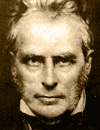
John Nelson Darby emphasizes the nature and unity of the Church, urging believers to recognize the moral inconsistencies that lead to division and sectarianism. He highlights that true unity is found in the Spirit of God and the shared faith in Christ's death and resurrection, which should bind beli