
The conflict between the flesh and the spirit is a profound theme woven throughout Scripture, illustrating the struggle inherent in the Christian life. In Galatians 5:17, Paul articulates this tension, stating, "For the flesh desires what is contrary to the Spirit, and the Spirit what is contrary to the flesh." This internal battle is not merely a personal struggle but a reflection of the broader spiritual warfare that believers encounter. Romans 7:18 further emphasizes this conflict, as Paul confesses, "For I know that good itself does not dwell in me, that is, in my sinful nature." Here, the apostle reveals the reality of human depravity and the persistent pull of sin, which stands in stark contrast to the transformative work of the Holy Spirit. In contrast, Romans 8:1 assures believers that "there is now no condemnation for those who are in Christ Jesus," highlighting the grace that empowers us to overcome the flesh. The teachings of Jesus also echo this struggle, as He instructs in Matthew 26:41, "Watch and pray so that you will not fall into temptation." Ultimately, the resolution of this conflict lies in yielding to the Spirit, as emphasized in Galatians 5:22-23, where the fruit of the Spirit manifests in the lives of those who walk in obedience to God.
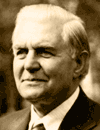
Major Ian Thomas explores the Book of Esther, emphasizing the need for a solid foundation in biblical exegesis. He introduces key characters: King Ahasuerus representing human personality, Haman symbolizing the flesh, and Mordecai embodying the Holy Spirit. Thomas highlights the conflict between the
Major Ian Thomas explores the Book of Esther, emphasizing the need for a solid foundation in biblical exegesis. He introduces key characters: King Ahasuerus representing human personality, Haman symbolizing the flesh, and Mordecai embodying the Holy Spirit. Thomas highlights the conflict between the