
The Old Testament is the word of God, the Bible Jesus read and the book from which the apostles preached Christ. The preachers quoted here say that it testifies of Christ, explains the New Testament, shows the character of God, and gives examples, warnings, promises and prayers that were written for our instruction.
A Christian should read the Old Testament because it is the word of God, because it speaks of Christ, and because the New Testament says it was written for us. Paul wrote to the church in Rome, "For everything that was written in the past was written for our instruction, so that through endurance and the encouragement of the Scriptures, we might have hope." (Romans 15:4). Charles Spurgeon wrote on that verse, "The apostle declares that the Old Testament Scriptures are meant to teach New Testament believers."1 R.A. Torrey wrote, "We cannot afford to neglect any part of the Bible; study the Old Testament as well as the New Testament, study Matthew's Gospel and Mark's Gospel and Luke's Gospel as well as John's Gospel."2
It is the word of God
When Paul told Timothy that "All Scripture is God-breathed and is useful for instruction, for conviction, for correction, and for training in righteousness" (2 Timothy 3:16) the Scriptures Timothy had known from infancy were the Old Testament. Paul says of them that they "are able to make you wise for salvation through faith in Christ Jesus." (2 Timothy 3:15). Spurgeon said, "The Old Testament is not to be regarded with one jot less of reverence and love than is the New Testament—they must remain bound together, for they are the one Revelation of the mind and will of God—and woe be to the man who shall attempt to rend asunder that seamless garment of Holy Scripture!"3 He would not rank one Testament above the other: "There is no need, however, to compare them, for they are both a part of all that Scripture which is God-breathed."3 In another sermon he said, "The Old Testament and the New are one, inspired by the same Spirit and filled with the same Subject, namely, the one promised Messiah."4 J.R. Miller wrote, "The New Testament does not set aside the Old Testament — but is simply the rich ripe harvest of which the Old was the sowing and the early growing."5
It was the Bible Jesus read
The Lord Jesus grew up on these books. James Stalker wrote, "Of course it was only the Old Testament Jesus had to read."6 Spurgeon said of Him, "The Spirit of God rested upon Him personally, without measure and He could speak out of His own mind the Revelation of God and yet He continually quoted the Law and the Prophets and the Psalms."7 When the Sadducees came with a question, He told them, "You are mistaken because you do not know the Scriptures or the power of God." (Matthew 22:29). He said of His own mission, "Do not think that I have come to abolish the Law or the Prophets. I have not come to abolish them, but to fulfill them." (Matthew 5:17). Alice Hodgkin wrote, "Very few realize how abundant are our Lord's quotations from the Old Testament."8 D.L. Moody asked, "If the Old Testament Scriptures are not true, do you think Christ would have so often referred to them, and said the Scriptures must be fulfilled?"9
A disciple reads what his Master read. John Broadus said, "Jesus is for us indeed the pledge of the divine authority of the Old Testament."10 J.C. Ryle wrote, "Those who are fond of pouring contempt on Old Testament miracles, and making light of the authority of the Pentateuch, would do well to consider whether they know better than our Lord Jesus Christ and the Apostles."11
The apostles preached from it
The first Christian preachers had no other Bible. Luke says of Paul at Thessalonica, "As was his custom, Paul went into the synagogue, and on three Sabbaths he reasoned with them from the Scriptures," (Acts 17:2). In Rome he spent a whole day "persuading them about Jesus from the Law of Moses and the Prophets." (Acts 28:23). He told King Agrippa, "I am saying nothing beyond what the prophets and Moses said would happen" (Acts 26:22). Spurgeon said, "The utmost degree of deference and homage is paid to the Old Testament by the writers of the New."12 He added, "The New Testament writers sit reverently down before the Old Testament and receive God's Words as such, without any question whatever."13 Moody wrote, "Peter said the Scriptures are not given for any private interpretation, and in speaking of the Scriptures, referred to the Old Testament and not to the New."14 He also wrote, "It is very important that every Christian should not only know what the Old Testament teaches, but he should accept its truths, because it is upon this that truth is based."15
The New Testament letters assume that their readers know the older books. G. Campbell Morgan said of the letter to the Romans, "If we have lost the book of Genesis, and the history of the Old Testament, this is a foolish and meaningless document."16 T. Austin-Sparks said of the first chapter of Hebrews, "We cannot stay to look at them, but the Old Testament is used here a very great deal, and the quotations are concerning Christ, so that, in the first place, it is quite clear that He was in the Old Testament."17
It testifies of Christ
This is the chief reason. Jesus said of the Old Testament Scriptures, "These are the very words that testify about Me" (John 5:39). He said of its first five books, "If you had believed Moses, you would believe Me, because he wrote about Me." (John 5:46). Peter told Cornelius, "All the prophets testify about Him that everyone who believes in Him receives forgiveness of sins through His name." (Acts 10:43). Arthur Pierson wrote, "Christ is everywhere found in the Old Testament, as the scarlet thread is everywhere found in the cordage of the English navy, cut it where you will."18 He wrote also, "The whole Old Testament is the book of Christ and His salvation."19 Broadus wrote, "We cannot understand the Old Testament, except we read it in its bearing upon Christ, as fulfilled in him."20 In a sermon he said, "You cannot understand the history of the Old Testament, if you think of it merely as a history of Israel."10 Stalker wrote, "The whole stream and drift of the Old Testament moves straight to the cross of Christ."21 Hodgkin wrote, "A perfect picture of the Messiah who was to come is traced for us in all its details in the prophecies of the Old Testament."22
The reader who wants to know Christ better will find Him there, in promise, in prophecy and in the lives and offices that point forward to Him. Peter says the prophets themselves searched to understand what "the Spirit of Christ in them was pointing" (1 Peter 1:11) to when He spoke of Christ's sufferings and glory.
Christ Himself opened it to His disciples
On the day He rose, Jesus walked with two disciples to Emmaus. Luke records, "And beginning with Moses and all the Prophets, He explained to them what was written in all the Scriptures about Himself." (Luke 24:27). That evening He told the eleven that everything must be fulfilled that was written about Him in "the Law of Moses, the Prophets, and the Psalms." (Luke 24:44). The risen Lord chose to teach from the Old Testament. Spurgeon said of the Lord on that road, "He knew by His omniscience what was the most instructive way of teaching, and by turning at once to Moses and the prophets, He showed us that the surest road to wisdom is not speculation, reasoning, or reading human books, but meditation upon the Word of God."23 In a sermon he said, "When our Lord taught the two disciples on the road to Emmaus, He opened the Scriptures and He opened their minds until their hearts burned within them!"24 Pierson wrote, "To understand New Testament records of Christ, then, we must know the whole Old Testament, from Genesis to Malachi, for the two are as closely related as a medallion and its mold."25
Luke adds, "Then He opened their minds to understand the Scriptures." (Luke 24:45). Ryle wrote on that verse, "We are not to suppose that the disciples knew nothing about the Old Testament up to this time, and that the Bible is a book which no ordinary person can expect to comprehend."26 The disciples had read these books all their lives. What they needed was to see Christ in them. Hodgkin gave this as the aim of her book on Christ in all the Scriptures: "To encourage others to seek Him for themselves, under the guidance of the Spirit, in the pages of Holy Scripture, is the object of this book."27
The two Testaments explain each other
Much of the New Testament cannot be understood without the Old. Its words about sacrifice, priesthood, covenant, kingdom and Passover all come from there. Spurgeon said, "It is a recognized truth among us, that the Old Testament very often helps us to understand the New, while the New also expounds the Old."28 He put it in a picture: "The Old Testament is a great Book of texts and the New Testament contains the sermons upon them."29 Austin-Sparks said, "The New Testament is illuminated by the Old Testament, and the Old Testament is explained by the New Testament."30 David Wilkerson wrote, "The Old Testament explains the New Testament in clear, simple terms."31
The light also falls the other way. Spurgeon said, "Some have supposed that the light of the New Testament is so bright that it quite eclipses the light of the Old Testament, as the rising of the sun makes us forget the moon, but it is not so."3 He went on, "The Old Testament now shines with a brighter light than ever to those whose faith is fixed on Jesus Christ and whose eyes behold Him in the pages of the New Testament."3 Morgan said, "It is the privilege of those who live in the light of the New Testament to view the Old Testament therein."32 Pierson wrote, "The Old Testament abounds in paradoxes about the Messiah, which were, and still are, absolute mysteries, except as the New Testament helps to solve them."33
The same gospel and the same Saviour
The Old Testament is not a record of a different religion. Paul says the Scripture "foretold the gospel to Abraham" (Galatians 3:8) and that the gospel was "promised beforehand through His prophets in the Holy Scriptures" (Romans 1:2). Spurgeon used the Law of the Lord as a name for the Old Testament Scriptures as a whole, and said, "The Old Testament was perfect in itself as the Law of the Lord and the New Testament is but an expansion of the same Truth which the Old contains."34 The writer to the Hebrews says, "Jesus Christ is the same yesterday and today and forever." (Hebrews 13:8). Thomas Brooks wrote on that text, "Jesus Christ was always the same, and is still the same, and will abide for ever the same, as being one selfsame God, and one selfsame Mediator, as well in the Old as in the New Testament."35
Paul says of the law, "So the law became our guardian to lead us to Christ, that we might be justified by faith." (Galatians 3:24). The place and purpose of the law of Moses is a large subject with its own page, linked below. Here it is enough to say that the preachers quoted find one way of salvation, by grace, in both Testaments.
It shows us what God is like
God made Himself known over many centuries by what He said and did. He proclaimed His name to Moses: "The LORD, the LORD God, is compassionate and gracious, slow to anger, abounding in loving devotion and faithfulness" (Exodus 34:6). He does not alter. "I, the LORD, do not change" (Malachi 3:6). The God whom Christians worship is the God of Abraham, Moses, David and Isaiah, and whole regions of His character are shown most fully in their books. Torrey said, "The truth that God is holy is the fundamental truth of the Bible, of the Old Testament and the New Testament, of both the Jewish religion and the Christian religion."36 Austin-Sparks said, "The tender, providing, protecting love of God is everywhere in the Old Testament."37 Alexander Maclaren wrote, "The whole purpose of the Old Testament history is not to chronicle events, but to declare God's dealings, and the fall of a kingdom was of little moment, except as revealing the righteousness of God."38 A.W. Pink wrote, "Not only were God's dealings with His people during Old Testament times substantially the same as those with His people now, but in detail too."39 Andrew Murray wrote, "The word Holy is the central word of the Old Testament; the name Father of the New."40
Examples to follow
The Old Testament is full of lives. Hebrews 11 goes through them one by one and then says, "Therefore, since we are surrounded by such a great cloud of witnesses, let us throw off every encumbrance and the sin that so easily entangles, and let us run with endurance the race set out for us." (Hebrews 12:1). James points to the same books: "Brothers, as an example of patience in affliction, take the prophets who spoke in the name of the Lord." (James 5:10). He adds, "You have heard of Job's perseverance and have seen the outcome from the Lord." (James 5:11). Spurgeon said, "Patience in the Old Testament is often set forth in waiting for the fulfillment of the promises and the prophecies."3 In his sermon notes on Romans 15:4 he wrote, "We see what God has done for his people, and therefore hope."41 Samuel Chadwick wrote of prayer, "There is no limit to the possibility of prayer, and the Old Testament confirms and attests the promises by examples and demonstrations of its power."42 Zac Poonen wrote, "The history of Israel has been given us at such length in the Old Testament to teach us some important lessons."43
Warnings to heed
The same histories record failure, and they record it on purpose. Paul went through Israel's sins in the wilderness and said, "Now these things happened to them as examples and were written down as warnings for us, on whom the fulfillment of the ages has come." (1 Corinthians 10:11). He had already said, "These things took place as examples to keep us from craving evil things as they did." (1 Corinthians 10:6). Wilkerson wrote, "All these Old Testament examples are meant to keep us from falling into unbelief, as Israel did."31 Spurgeon said of the sins of good men recorded in Scripture, "We must often use the saints of God as beacons rather than as harbor-lights—as lighthouses set upon rocky coasts to advise us of the dangers into which they fell."44 He said, "It is a great mercy for us when we have seen others sin, if we use their shipwrecks as beacons for ourselves."45
The Bible does not hide the faults of Noah, Abraham, Moses, David or Solomon. A reader who skips these books loses the warnings God wrote down for him.
Comfort, hope and prayer
Paul names the fruit of reading what was written in the past: endurance, encouragement and hope. Spurgeon said, "The saints of God have long proved that the Scriptures produce patience."3 He said of hope, "Hope is for those who are saved and hope comes to us and is strengthened in us by the patience and the comfort of the Scriptures."3 In his notes he wrote, "Our joyous experience is the best testimony to the consoling power of the Holy Scriptures."46 He added, "We believe the promises through the Word, and therefore hope."47
The Psalms have a place of their own. Paul told the Colossians to sing them: "as you sing psalms, hymns, and spiritual songs with gratitude in your hearts to God." (Colossians 3:16). A.B. Simpson wrote, "The book of Psalms is the prayer book of the afflicted."48 Maclaren wrote, "The Psalm is the echo of the law, the return current set in motion by the outflow of the Divine will, the response of the heart of man to the manifested God."49 The believer who does not know what to say to God will find words there.
How to read it
Read all of it, and read it looking for Christ. The Bereans "examined the Scriptures every day to see if these teachings were true." (Acts 17:11). Spurgeon said, "No single text in the Word relates simply to the occasion on which it is spoken; but whatever things were written aforetime were written for our learning."50 Hodgkin wrote, "A careful study of what Jesus Himself says about the Old Testament Scriptures, asking for the light of the Holy Spirit upon the pages, would well repay the Bible student."51 Ask the Lord to do what He did for the eleven and open the mind to understand. The psalmist said, "Your word is a lamp to my feet and a light to my path." (Psalm 119:105) and the word he had in his hands was the Old Testament.
- C.H. Spurgeon, My Sermon Notes, "Romans (Sections 196-202)".
- R.A. Torrey, Is the Bible the Inerrant Word of God, "What To Do With The Bible".
- C.H. Spurgeon, "Patience, Comfort and Hope From the Scriptures" (sermon).
- C.H. Spurgeon, "Your Personal Salvation" (sermon).
- James R. Miller, Writings of James R Miller - Volume 1, "April".
- James Stalker, Imago Christi, "Christ as a Student of Scripture".
- Charles Haddon Spurgeon, Spurgeon's Sermons Volume 34: 1888, "The Infallibility of Scripture".
- Alice M. Hodgkin, Christ in All the Scriptures, "The Testimony of Christ to the Scriptures".
- Dwight L. Moody, Writings of Dwight L Moody - Volume 1, "Chapter iii".
- John A. Broadus, "One Jesus" (sermon).
- John C. Ryle, Tracts of J.C. Ryle, "Apostolic fears".
- Charles Haddon Spurgeon, Spurgeon's Sermons Volume 34: 1888, "The Infallibility of Scripture".
- Charles Haddon Spurgeon, Spurgeon's Sermons Volume 34: 1888, "The Infallibility of Scripture".
- Dwight L. Moody, Writings of Dwight L Moody - Volume 1, "Chapter iii".
- Dwight L. Moody, Writings of Dwight L Moody - Volume 1, "Chapter iii".
- G. Campbell Morgan, "The Message of Romans" (sermon).
- T. Austin-Sparks, "The Superiority of the New Position" (sermon).
- Arthur T. Pierson, Writings of Arthur T Pierson - Volume 1, "Chapter ix.christ in the old testament".
- Arthur T. Pierson, Writings of Arthur T Pierson - Volume 1, "Chapter ix.christ in the old testament".
- John A. Broadus, Writings of John A Broadus, "S. The Holy Scriptures".
- James Stalker, Imago Christi, "Christ as a Student of Scripture".
- Alice M. Hodgkin, Christ in All the Scriptures, "General View of Prophecy".
- C.H. Spurgeon, "He Expounded Unto Them in All the Scriptures the Things Concerning Himself" (sermon).
- C.H. Spurgeon, "Christ in You" (sermon).
- Arthur Pierson, Knowing the Scriptures - Rules Methods Bible Study, "The Identity of the Written and Living Word".
- J.C. Ryle, "Expository Thoughts On Luke - Luke 24:44-49" (sermon).
- Alice M. Hodgkin, Christ in All the Scriptures, "Preface to the Second Edition".
- Charles Haddon Spurgeon, Spurgeon's Sermons Volume 08: 1862, "Threefold Sanctification".
- C.H. Spurgeon, "The Flight to Zoar" (sermon).
- T. Austin-Sparks, "An Ark of Acacia Wood" (sermon).
- David Wilkerson, "Why Read the Old Testament?" (sermon).
- G. Campbell Morgan, "The Relation of the Spirit to the Trinity" (sermon).
- Arthur T. Pierson, Writings of Arthur T Pierson - Volume 1, "Chapter ix.christ in the old testament".
- Charles Haddon Spurgeon, Spurgeon's Sermons Volume 34: 1888, "The Lover of God's Law Filled With Peace".
- Thomas Brooks, Writings of Thomas Brooks, "Volume 5".
- R.A. Torrey, "The Christian Conception of God" (sermon).
- T. Austin-Sparks, "The Companions as the Bride of the Lord" (sermon).
- Alexander Maclaren, Expositions Of Holy Scripture G, "A kingdom's epitaph".
- A.W. Pink, Writings of A W Pink - Volume 1, "Chapter 3".
- Andrew Murray, "After This Manner Pray" (sermon).
- C.H. Spurgeon, My Sermon Notes, "Romans (Sections 196-202)".
- Samuel Chadwick, "Praying in the Name" (sermon).
- Zac Poonen, "How a Spiritual Movement Declines" (sermon).
- C.H. Spurgeon, "Asleep and Yet Awake—a Riddle" (sermon).
- C.H. Spurgeon, "Jotham's Peculiar Honor" (sermon).
- C.H. Spurgeon, My Sermon Notes, "Romans (Sections 196-202)".
- C.H. Spurgeon, My Sermon Notes, "Romans (Sections 196-202)".
- A.B. Simpson, "James Chapter 8 Practical Prayer" (sermon).
- Alexander Maclaren, Writings of Alexander Maclaren, "I. introduction".
- C.H. Spurgeon, "The March!" (sermon).
- Alice M. Hodgkin, Christ in All the Scriptures, "The Testimony of Christ to the Scriptures".
In their own words
Each line below is quoted exactly from a sermon on this site. Follow the link to hear or read it where it was said.
The Old Testament is not to be regarded with one jot less of reverence and love than is the New Testament—they must remain bound together, for they are the one Revelation of the mind and will of God—and woe be to the man who shall attempt to rend asunder that seamless garment of Holy Scripture!
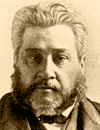 C.H. Spurgeon
in Patience, Comfort and Hope From the Scriptures
Read in context
There is no need, however, to compare them, for they are both a part of all that Scripture which is God-breathed.
C.H. Spurgeon
in Patience, Comfort and Hope From the Scriptures
Read in context
Some have supposed that the light of the New Testament is so bright that it quite eclipses the light of the Old Testament, as the rising of the sun makes us forget the moon, but it is not so.
C.H. Spurgeon
in Patience, Comfort and Hope From the Scriptures
Read in context
The Old Testament now shines with a brighter light than ever to those whose faith is fixed on Jesus Christ and whose eyes behold Him in the pages of the New Testament.
C.H. Spurgeon
in Patience, Comfort and Hope From the Scriptures
Read in context
Patience in the Old Testament is often set forth in waiting for the fulfillment of the promises and the prophecies.
C.H. Spurgeon
in Patience, Comfort and Hope From the Scriptures
Read in context
The saints of God have long proved that the Scriptures produce patience.
C.H. Spurgeon
in Patience, Comfort and Hope From the Scriptures
Read in context
Hope is for those who are saved and hope comes to us and is strengthened in us by the patience and the comfort of the Scriptures.
C.H. Spurgeon
in Patience, Comfort and Hope From the Scriptures
Read in context
The Old Testament and the New are one, inspired by the same Spirit and filled with the same Subject, namely, the one promised Messiah.
C.H. Spurgeon
in Your Personal Salvation
Read in context
Jesus is for us indeed the pledge of the divine authority of the Old Testament.
 John A. Broadus
in One Jesus
Read in context
You cannot understand the history of the Old Testament, if you think of it merely as a history of Israel.
John A. Broadus
in One Jesus
Read in context
If we have lost the book of Genesis, and the history of the Old Testament, this is a foolish and meaningless document.
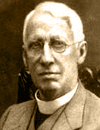 G. Campbell Morgan
in The Message of Romans
Read in context
We cannot stay to look at them, but the Old Testament is used here a very great deal, and the quotations are concerning Christ, so that, in the first place, it is quite clear that He was in the Old Testament.
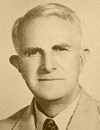 T. Austin-Sparks
in The Superiority of the New Position
Read in context
He knew by His omniscience what was the most instructive way of teaching, and by turning at once to Moses and the prophets, He showed us that the surest road to wisdom is not speculation, reasoning, or reading human books, but meditation upon the Word of God.
C.H. Spurgeon
in He Expounded Unto Them in All the Scriptures the Things Concerning Himself
Read in context
When our Lord taught the two disciples on the road to Emmaus, He opened the Scriptures and He opened their minds until their hearts burned within them!
C.H. Spurgeon
in Christ in You
Read in context
We are not to suppose that the disciples knew nothing about the Old Testament up to this time, and that the Bible is a book which no ordinary person can expect to comprehend.
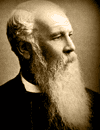 J.C. Ryle
in Expository Thoughts On Luke - Luke 24:44-49
Read in context
The Old Testament is a great Book of texts and the New Testament contains the sermons upon them.
C.H. Spurgeon
in The Flight to Zoar
Read in context
The New Testament is illuminated by the Old Testament, and the Old Testament is explained by the New Testament.
T. Austin-Sparks
in An Ark of Acacia Wood
Read in context
The Old Testament explains the New Testament in clear, simple terms.
 David Wilkerson
in Why Read the Old Testament?
Read in context
All these Old Testament examples are meant to keep us from falling into unbelief, as Israel did.
David Wilkerson
in Why Read the Old Testament?
Read in context
It is the privilege of those who live in the light of the New Testament to view the Old Testament therein.
G. Campbell Morgan
in The Relation of the Spirit to the Trinity
Read in context
The truth that God is holy is the fundamental truth of the Bible, of the Old Testament and the New Testament, of both the Jewish religion and the Christian religion.
 R.A. Torrey
in The Christian Conception of God
Read in context
The tender, providing, protecting love of God is everywhere in the Old Testament.
T. Austin-Sparks
in The Companions as the Bride of the Lord
Read in context
The word Holy is the central word of the Old Testament; the name Father of the New.
 Andrew Murray
in After This Manner Pray
Read in context
There is no limit to the possibility of prayer, and the Old Testament confirms and attests the promises by examples and demonstrations of its power.
 Samuel Chadwick
in Praying in the Name
Read in context
The history of Israel has been given us at such length in the Old Testament to teach us some important lessons.
 Zac Poonen
in How a Spiritual Movement Declines
Read in context
We must often use the saints of God as beacons rather than as harbor-lights—as lighthouses set upon rocky coasts to advise us of the dangers into which they fell.
C.H. Spurgeon
in Asleep and Yet Awake—a Riddle
Read in context
It is a great mercy for us when we have seen others sin, if we use their shipwrecks as beacons for ourselves.
C.H. Spurgeon
in Jotham's Peculiar Honor
Read in context
The book of Psalms is the prayer book of the afflicted.
 A.B. Simpson
in James Chapter 8 Practical Prayer
Read in context
No single text in the Word relates simply to the occasion on which it is spoken; but whatever things were written aforetime were written for our learning.
C.H. Spurgeon
in The March!
Read in context
What Scripture says
- Romans 15:4 everything written in the past was written for our instruction
- 2 Timothy 3:16 all Scripture is God-breathed and useful
- Luke 24:27 beginning with Moses and all the Prophets, He explained what was written about Himself
- Luke 24:44 the Law of Moses, the Prophets and the Psalms
- John 5:39 these are the very words that testify about Me
- John 5:46 Moses wrote about Me
- 1 Corinthians 10:11 written down as warnings for us
- Matthew 5:17 Christ came to fulfil the Law and the Prophets
- Acts 10:43 all the prophets testify about Him
- Hebrews 12:1 a great cloud of witnesses
- Psalm 119:105 Your word is a lamp to my feet
How this page is made: the quotes are taken word for word from sermons on SermonIndex and checked against them by program before the page is published. The transcripts of audio and video sermons are machine-made, so follow the link to hear the words as they were spoken. The answer above the quotes is an overview with its sources listed; it is not a statement of doctrine by SermonIndex.