
A false prophet claims to speak for God when God has not sent him, speaks from his own mind, and promises peace to people who are not turning from sin. The preachers quoted here draw from Moses, Jeremiah, Ezekiel, Jesus, Peter, Paul and John the marks of the false prophet, his message, his fruit and the tests by which believers are to try what they hear.
A false prophet is someone who claims to speak for God when God has not sent him and has not given him the message. He speaks from his own mind, tells people what they want to hear, and leads them away from the LORD and from repentance. God said through Jeremiah, "I did not send these prophets, yet they have run with their message; I did not speak to them, yet they have prophesied." (Jeremiah 23:21). John Calvin wrote, "No one then ought to be deemed a sound teacher, but he who speaks from God's mouth."1
Speaking from his own heart
Scripture defines the false prophet by where his message comes from. The LORD told Jeremiah that such men "speak visions from their own minds, not from the mouth of the LORD." (Jeremiah 23:16). Ezekiel was sent against "those who prophesy out of their own imagination" (Ezekiel 13:2) and said, "This is what the Lord GOD says: Woe to the foolish prophets who follow their own spirit, yet have seen nothing." (Ezekiel 13:3). Calvin wrote on that chapter, "Next, God briefly defines who the false prophets are; namely, those who prophesy out of their own hearts: he will afterwards add, they have seen nothing, they only boast in the name of God, and yet they are not sent by him."2 He went on, "Whoever, therefore, has no sure testimony to his vision, and cannot truly testify that he speaks from God's mouth and by the revelation of his Spirit, although he may boast in the title of prophet, yet he is only an impostor."3
The false prophet claims something he does not have. Patrick Fairbairn wrote that "false prophets are those who laid claim to gifts they did not really possess"4. James Stalker wrote, "If he who stands forward as a speaker for God is out of touch with God and has really no Divine message, he may make good the lack of a true Divine word in many ways."5
Warned of from the beginning
God warned Israel about false prophets before they entered the land. He said, "But if any prophet dares to speak a message in My name that I have not commanded him to speak, or to speak in the name of other gods, that prophet must be put to death." (Deuteronomy 18:20). He then gave a plain test: "When a prophet speaks in the name of the LORD and the message does not come to pass or come true, that is a message the LORD has not spoken. The prophet has spoken presumptuously. Do not be afraid of him." (Deuteronomy 18:22). Calvin wrote, "He not only condemns the folly and vanity of those who advance their own inventions in the place of God's commands, but also their arrogance; since doubtless, this is impious and intolerable audacity, to set forth the offspring of man's earthly brain as if it were a divine revelation."6 He also wrote, "The principle, therefore, is established, that those speak in God's name who predict what really comes to pass; for they could not declare the truth respecting things unknown to man unless God Himself should dictate it to them."7
Calvin saw that God gives His people the means to guard themselves. He wrote, "For it would be vain for God to warn us against giving admission to false teachers, unless He, at the same time, shewed the means by which they were to be guarded against."8
A sign is not enough
The law of Moses also faced a harder case. A prophet might give a sign and the sign might come about, yet he might call the people to follow other gods. God said, "you must not listen to the words of that prophet or dreamer. For the LORD your God is testing you to find out whether you love Him with all your heart and with all your soul." (Deuteronomy 13:3). He added, "You are to follow the LORD your God and fear Him. Keep His commandments and listen to His voice; serve Him and hold fast to Him." (Deuteronomy 13:4). A wonder does not prove a prophet true. What he teaches about God decides the matter. Calvin wrote, "We now arrive at the sum of this passage, viz., that they must persevere in the worship of the one God, so that not even prodigies should have any force to shake the people's minds."9 Zac Poonen said that "God allows false prophets to do real signs and wonders and to prophesy things that come true, in order to test His children"10.
The Lord Jesus gave the same warning. "For false Christs and false prophets will appear and perform great signs and wonders that would deceive even the elect, if that were possible." (Matthew 24:24). He said of the last day, "Many will say to Me on that day, 'Lord, Lord, did we not prophesy in Your name, and in Your name drive out demons and perform many miracles?'" (Matthew 7:22) and He will answer, "I never knew you; depart from Me, you workers of lawlessness!" (Matthew 7:23). Charles Spurgeon wrote, "We may be known by all to have great spiritual power over devils, and men, and yet our Lord may not own us in that great day; but may drive us out as impostors whom he cannot tolerate in his presence."11 R.A. Torrey wrote, "This shows very clearly that one may even cast out devils in the name of the Lord, and yet be one whom He never knew."12
They ran without being sent
The false prophets of Jeremiah's day were many and busy. God's charge against them was that He had not sent them. "I did not send these prophets, yet they have run with their message; I did not speak to them, yet they have prophesied." (Jeremiah 23:21). Spurgeon said, "This evil also greatly grieved the Lord, for it was not according to His mind that these men should pretend to speak under His Inspiration and to speak as if they felt the burden of the Lord, when He had never sent them and they had not delivered His message."13 Calvin wrote, "Yet a simple and naked call is not sufficient; but he who is called must also faithfully labor for his God; and both these things are intimated here, for he says that the prophets ran, though they were not sent, and that they prophesied, though they were without any command from God."14
God then gave the mark by which they could be known. "But if they had stood in My council, they would have proclaimed My words to My people and turned them back from their evil ways and deeds." (Jeremiah 23:22). A true messenger turns people from sin. Calvin wrote, "He says that it was an evident proof that they were not God's prophets, because they did not faithfully teach what they ought to have derived from the Law."15
Peace, peace
The message of the false prophet is very often one of peace. Jeremiah said of the prophets and priests, "They dress the wound of My people with very little care, saying, 'Peace, peace,' when there is no peace at all." (Jeremiah 6:14). God said they "keep saying to those who despise Me, 'The LORD says that you will have peace,' and to everyone who walks in the stubbornness of his own heart, 'No harm will come to you.'" (Jeremiah 23:17).
Ezekiel used a picture. The people built a flimsy wall and the prophets whitewashed it. God said they had "led My people astray, saying, 'Peace,' when there is no peace, and whitewashing any flimsy wall that is built" (Ezekiel 13:10). Calvin wrote, "The kind of fallacies are now mentioned: because they said, Peace, when there was no peace."16 Spurgeon preached on this passage. He said, "Sing men a soft song of peace in sin and safety out of Christ, and they will cry your name up to the skies!"17 He also said, "What a multitude there are who will assist a rebellious spirit to build his mud wall of false security!"17 Speaking of the false prophets of Jeremiah's day, he said, "No good came of their teachings—they did but film the wound of the nation and left the deadly venom still within."18 J.C. Philpot said of his own day, "Sin runs down our streets like water, and false prophets abound on every side who cry, Peace, Peace, where there is no peace."19
Hard on the righteous, easy on the wicked
The false prophet turns things upside down. He troubles those God has not troubled and comforts those God has not comforted. God said through Ezekiel, "Because you have disheartened the righteous with your lies, even though I have caused them no grief, and because you have encouraged the wicked not to turn from their evil ways to save their lives," (Ezekiel 13:22). Calvin wrote, "By the righteous he means those whom the false prophets inspired with causeless terror."20 He explained the second half: "The Prophet signifies this when he says, that by giving life to the impious the false prophets strengthened their hands, and opposed their repentance altogether."21 He went on, "When the sinner thinks God propitious to him, he is not anxious about reconciliation, but abuses God's forbearance, and is daily rendered bolder, until at last he puts off all sense of fear."22
Jeremiah saw the same thing in Jerusalem. The prophets "strengthen the hands of evildoers, so that no one turns his back on wickedness." (Jeremiah 23:14). W.H. Bennett wrote, "When evildoers grow numerous and powerful, there will always be prophets to strengthen their hands and encourage them not to turn away from their sin."23 He added, "But to give the lie to these false prophets God sends Jeremiahs, who are often branded as heretics and schismatics, turbulent fellows who turn the world upside-down."24
Telling people what they want to hear
The false prophet thrives because people want him. Isaiah says the people told the prophets, "Speak to us pleasant words; prophesy illusions." (Isaiah 30:10). Jeremiah says, "The prophets prophesy falsely, and the priests rule by their own authority. My people love it so, but what will you do in the end?" (Jeremiah 5:31). Paul warned Timothy, "For the time will come when men will not tolerate sound doctrine, but with itching ears they will gather around themselves teachers to suit their own desires." (2 Timothy 4:3). Stalker wrote, "The false prophets won and kept their popularity by pandering to the opinions and prejudices of the people."25 He wrote, "There will always be a demand for smooth things, and an appropriate reward for him who is willing to supply them in the name of God."26 He also wrote, "There will always be a demand for a religion which does not agitate the mind too much or interfere with the pursuits of a worldly life."27
Flattery is the usual tool. Poonen said, "The one unmistakable characteristic of every false prophet in history has been flattery."28 W.H. Griffith Thomas said, "It is a short and easy step from the preaching of pleasant things to flattery, and from flattery to falsehood."29 Calvin wrote, "And there is no evil worse than when false teachers, under the name of God, flatter us, and drive away every fear and concern for our souls."30 Bennett wrote, "The professional prophets naturally adapted their words to the itching ears of their clients."31 Spurgeon said of the false prophets in Jeremiah, "They preached smooth things because the people would have it so, because they thus brought grist to their own mill, and glory to their own names."32
Popular, respected and many
False prophets did not look false in their own day. They were many, they held office, and the people trusted them. Stalker wrote, "To us these are now false prophets, because time has found them out and the Word of God has branded them with the title they deserve; but in their own day they were regarded as true prophets; and doubtless many of them never dreamed that they were not entitled to the name."33 He wrote, "The false prophets were strong, not only in their own numbers, but in their popularity with the people."34 He added, "The seats and the trappings of office always affect the multitude, who are slow to come to the conclusion that the teachers under whom they find themselves in providence can be misleading them."35 He warned, "Even in the Church the side of the false prophets may be the growing and the winning side, while Jeremiah is left in a minority of one."36
J.C. Ryle wrote on the Sermon on the Mount, "There are thousands who seem ready to believe anything in religion, if they hear it from an ordained minister."37 He went on, "They forget that clergymen may err as much as laymen: they are not infallible."37
Wolves in sheep's clothing
The Lord Jesus said, "Beware of false prophets. They come to you in sheep's clothing, but inwardly they are ravenous wolves." (Matthew 7:15). The danger is in the disguise. Martin Luther wrote, "Secondly, says he, that they come in sheep's clothing, so that one cannot blame them, nor outwardly distinguish them from other true preachers."38 He explained what the clothing is: "For by sheep's clothing he means not bad conduct and gross sin, as of the heathen and unchristian people; but the excellent name and reputation of real Christians, that have holy baptism, sacrament, Christ, and everything that belongs to Christ."39 John Wesley said, "They come in the most mild, inoffensive manner, without any mark or token of enmity."40 He went on, "They will make large professions of their good-will, of their concern for the danger you are in, and of their earnest desire to preserve you from error, from being entangled in new and mischievous doctrines."40
Ryle wrote, "The wolf would seldom get into the fold if he did not enter it in sheep's clothing."41 In another tract he wrote, "It is the wolf in sheep's clothing, and Satan in the garb of an angel of light, who have always proved the most dangerous foes of the Church of Christ."42 Spurgeon said, "A minister may say that he is sent of God, and yet be a wolf in sheep's clothing."43
By their fruit you will recognize them
Jesus gave the test at once. "By their fruit you will recognize them. Are grapes gathered from thornbushes, or figs from thistles?" (Matthew 7:16). "Likewise, every good tree bears good fruit, but a bad tree bears bad fruit." (Matthew 7:17). "A good tree cannot bear bad fruit, and a bad tree cannot bear good fruit." (Matthew 7:18). Spurgeon wrote, "Every man produces according to his nature; he cannot do otherwise."44 He wrote, "We are not to judge; but we are to know, and the rule for this knowledge is as simple as it is safe."45 He also wrote, "It is not ours to hew or to burn; but it is ours to know."46 He added, "This knowledge is to save us from coming under the shadow or influence of false teachers."47
The fruit includes both the man's life and what his teaching produces. G. Campbell Morgan wrote, "So He warns us to beware of false leaders, false prophets; who are to be tested by the fruit they bear."48 He stressed the man's life: "They may be teaching a perfectly correct doctrine, but if in their own lives they are wrong, beware of them."49 He went on, "This is orthodoxy, dressed in sheep's clothing, proceeding from one who in life is a ravening wolf."50 Wesley said, "In order to know whether any who speak in the name of God are false or true prophets it is easy to observe, First, What are the fruits of their doctrine as to themselves?"40 He continued, "Does it appear by the general tenor of their conversation that their tempers are holy, heavenly, divine? that the mind is in them which was in Christ Jesus?"40 Luther wrote, "By a good tree that brings forth good fruit is meant, in short, one who lives and conducts his walk and conversation according to the word of God, pure and simple."51
Among you
The false prophet does not stand outside the church. He works within it. Peter wrote, "Now there were also false prophets among the people, just as there will be false teachers among you. They will secretly introduce destructive heresies" (2 Peter 2:1). He added, "Many will follow in their depravity, and because of them the way of truth will be defamed." (2 Peter 2:2). Paul told the Ephesian elders, "I know that after my departure, savage wolves will come in among you and will not spare the flock." (Acts 20:29). "Even from your own number, men will rise up and distort the truth to draw away disciples after them." (Acts 20:30). Robert Murray M'Cheyne said, "The grievous wolves are evidently those false teachers who bring in another gospel which is not another."52
His marks
Scripture names the false prophet's motives as well as his message. Peter says, "In their greed, these false teachers will exploit you with deceptive words." (2 Peter 2:3). Torrey wrote, "It is well in dealing with those who are under the spell of a false prophet to be able to show them what the marks of a false prophet are."12 He went on, "The first and most common of these is a greed for money."12 He wrote, "A second mark of the false prophet is vaunting one's self."12 He added, "Fifth, there is usually an untrue note somewhere in the doctrine taught by the false prophet."12 He explained, "He may teach a good deal that is Biblical and true, but somewhere he betrays his Satanic origin."12 Stalker wrote of the prophets in Israel, "There is, indeed, very little information on this head; but they are accused of prophesying for bread, and avarice and a greedy appetite for the good things of this life are reproaches frequently cast at them."53
Masquerading as servants of righteousness
Paul warned the Corinthians about false apostles. "For such men are false apostles, deceitful workers, masquerading as apostles of Christ." (2 Corinthians 11:13). "And no wonder, for Satan himself masquerades as an angel of light." (2 Corinthians 11:14). "It is not surprising, then, if his servants masquerade as servants of righteousness. Their end will correspond to their actions." (2 Corinthians 11:15). Edward Payson wrote, "The first follow the tempter in his own proper shape, as an angel of darkness; the second are deceived, and led to him in the garb of an angel of light."54 A.B. Simpson said, "It is the false philosophy, poetry and religion that come as angels of light and aim at the perversion of the human conscience and the obliteration of all true convictions of right and wrong."55
Test the spirits
Believers are not told to fear false prophets. They are told to test them. John wrote, "Beloved, do not believe every spirit, but test the spirits to see whether they are from God. For many false prophets have gone out into the world." (1 John 4:1). He gave the first test: "By this you will know the Spirit of God: Every spirit that confesses that Jesus Christ has come in the flesh is from God," (1 John 4:2). Robert Candlish wrote, "The Spirit that is of God will ever honour Christ; and especially Christ come in the flesh; which means not only Christ incarnate, but also and emphatically Christ crucified."56 He also wrote, "There is no real humiliation on the part of the Son if his coming in the flesh is denied."57
Paul says the same: "but test all things. Hold fast to what is good." (1 Thessalonians 5:21). Spurgeon wrote, "We have need of our judgments, and we must try the spirits of those who profess to be sent of God."58 Jonathan Edwards wrote, "We are directed not to believe every spirit, but to try the spirits, whether they be of God."59
John also says who will listen. "They are of the world. That is why they speak from the world's perspective, and the world listens to them." (1 John 4:5). "We are from God. Whoever knows God listens to us; whoever is not from God does not listen to us." (1 John 4:6). Candlish wrote, "For as he that is not of God will not hear us who speak as being of God; so he that knoweth God will not hear the false prophets."60
To the law and to the testimony
The final test is the written word of God. Isaiah said, "To the law and to the testimony! If they do not speak according to this word, they have no light of dawn." (Isaiah 8:20). The Bereans are praised because they "examined the Scriptures every day to see if these teachings were true." (Acts 17:11). Ryle wrote, "The teaching and conduct of all ministers must be tried by the Word of God: they are to be followed so long as they follow the Bible, but no longer."61 A.W. Pink wrote, "The only safe course is to emulate the Bereans, and bring everything we hear from the platform and pulpit, yes, and everything we read in religious magazines, to the test of the Word of God, rejecting everything which is not clearly taught in the Holy Oracles."62 Luther wrote, "Therefore be especially warned against the sheep's clothing, so that you trust no one, however great a show he makes, but look only at the word, whether he rightly handles that, or under cover of it is selling his own wares."63
This test asks something of the hearer. Ryle wrote, "Depend upon it, a man must know his Bible well if he is to prove religious teachings by it; and he must read it regularly if he would know it well."64 Morgan said, "We are to test prophecy by the established prophecies of essential truth."65
Christians have long differed on whether God still gives prophecy to the church today. This page does not decide that question. On either view the tests are the same: every claim to speak for God must agree with the written word, honour Christ, and lead to holiness.
Straw and grain
God set His own word against the false prophet's dream. "Let the prophet who has a dream retell it, but let him who has My word speak it truthfully." (Jeremiah 23:28). He asked, "Is not My word like fire" (Jeremiah 23:29). Spurgeon preached on that text. He said, "He therefore gave a test by which the true could be distinguished from the false."13 He described the false prophets: "They spoke very pleasingly and very flatteringly—they made the people vain—they told them, in effect, that nothing would happen but what would delight them!"13 He then said, "But when Jeremiah spoke, in the name of Jehovah, every Word seemed to tell upon his hearers!"13 He went on, "The message did not comfort the ungodly, but it broke their hearts, for the Prophet was seeking, if possible, to separate them from their sins."13 He also said, "God's Word is so stern a witness against everything that is evil, that it is like fire, in that it pains, startles and awakens."13
A warning to every preacher
The warnings about false prophets search those who preach. No man is safe because he holds an office. Stalker wrote, "It is not easy for a man to admit the thought into his own mind that in him his office is being dishonoured and its aim frustrated; and it is far more difficult to do so if he has the support of the prevailing sentiment and is going forward triumphantly as a member of the majority."66 He added, "It will not do to think that, merely because we sit in Moses' seat and have the Word of God in our mouths, therefore we must be right."67 Griffith Thomas said, "But from the moment a minister allows himself to depart from the strict line of truth, he is in danger of ending where the false prophets ended."29 Spurgeon said, "The true servant of God in his ministry dares not prophesy smooth things to unconverted men and women."17
How believers are kept
God has not left His people without defence. The false prophets have their day, but it is short. Calvin wrote, "When God speaks thus, he means that he will suffer the false prophets to triumph among the people for only a short time."68 He also wrote, "But meanwhile the end is at hand, when the Lord shall shame all the impious false prophets, and detect their ignorance, rashness, and audacity, because they dared to use his name in offering peace to the reprobate."69 The way to be kept is to know the truth and to obey it. Morgan said, "We are to avoid the peril of evil living that grows out of listening to false prophets, by all holy living and godliness resulting from obedience to the holy prophets."65 Calvin wrote, "It is true that there are great discrepancies of opinion, and very warm contentions; but whosoever in a teachable and gentle spirit shall seek after truth, and shall give himself over and submit himself as the disciple of God, he will never be without the spirit of judgment and discretion."70
Jude urged his readers "to contend earnestly for the faith entrusted once for all to the saints." (Jude 1:3). The believer who loves the truth, reads his Bible and tests what he hears by it will not be carried away by a false message of peace.
- John Calvin, Commentary On Jeremiah And Lamentations Volume 3, "Jeremiah 23:16".
- John Calvin, Commentary On Ezekiel Volume 2, "Ezekiel 13:1-3".
- John Calvin, Commentary On Ezekiel Volume 2, "Ezekiel 13:1-3".
- Patrick Fairbairn, Writings of Patrick Fairbairn, "Chapter 3. The Prophetical Future Of The Church And Kingdom Of Christ".
- James Stalker, The Preacher and His Models, "Lecture v. the preacher as a false prophet".
- John Calvin, Harmony Of The Law Volume 1, "Deuteronomy 18:21, 22".
- John Calvin, Harmony Of The Law Volume 1, "Deuteronomy 13:1-4".
- John Calvin, Harmony Of The Law Volume 1, "Deuteronomy 13:1-4".
- John Calvin, Harmony Of The Law Volume 1, "Deuteronomy 13:1-4".
- Zac Poonen, "Deception Through False Signs and Wonders" (sermon).
- C.H. Spurgeon, Gospel of the Kingdom, "Matthew 7:13-23".
- R.A. Torrey, "How to Deal With the Deluded" (sermon).
- C.H. Spurgeon, "God's Fire and Hammer" (sermon).
- John Calvin, Commentary On Jeremiah And Lamentations Volume 3, "Jeremiah 23:21".
- John Calvin, Commentary On Jeremiah And Lamentations Volume 3, "Jeremiah 23:22".
- John Calvin, Commentary On Ezekiel Volume 2, "Ezekiel 13:10-11".
- C.H. Spurgeon, "The Wall Daubed with Untempered Mortar" (sermon).
- C.H. Spurgeon, "Healed or Deluded Which" (sermon).
- J.C. Philpot, "Prevailing Pleas, or the Hope and Savior of Israel" (sermon).
- John Calvin, Commentary On Ezekiel Volume 2, "Ezekiel 13:22-23".
- John Calvin, Commentary On Ezekiel Volume 2, "Ezekiel 13:22-23".
- John Calvin, Commentary On Ezekiel Volume 2, "Ezekiel 13:22-23".
- William H. Bennett, The Expositor's Bible: The Book of Jeremiah, Volume II, "Chapter viii: bad shepherds and false prophets".
- William H. Bennett, The Expositor's Bible: The Book of Jeremiah, Volume II, "Chapter viii: bad shepherds and false prophets".
- James Stalker, The Preacher and His Models, "Lecture v. the preacher as a false prophet".
- James Stalker, The Preacher and His Models, "Lecture v. the preacher as a false prophet".
- James Stalker, The Preacher and His Models, "Lecture v. the preacher as a false prophet".
- Zac Poonen, "True and False Prophets" (sermon).
- W.H. Griffith Thomas, "The Ministry of the Prophet" (sermon).
- John Calvin, Commentary On Jeremiah And Lamentations Volume 3, "Jeremiah 23:21".
- William H. Bennett, The Expositor's Bible: The Book of Jeremiah, Volume II, "Chapter viii: bad shepherds and false prophets".
- C.H. Spurgeon, "A Blast of the Trumpet Against False Peace" (sermon).
- James Stalker, The Preacher and His Models, "Lecture v. the preacher as a false prophet".
- James Stalker, The Preacher and His Models, "Lecture v. the preacher as a false prophet".
- James Stalker, The Preacher and His Models, "Lecture v. the preacher as a false prophet".
- James Stalker, The Preacher and His Models, "Lecture v. the preacher as a false prophet".
- J.C. Ryle, "Expository Thoughts On Matthew - Matthew 7:12-20" (sermon).
- Martin Luther, Writings of Martin Luther - Volume 1, "A.04. Matthew 7".
- Martin Luther, Writings of Martin Luther - Volume 1, "A.04. Matthew 7".
- John Wesley, "Sermon on the Mount, 12" (sermon).
- John C. Ryle, Tracts of J.C. Ryle, "Apostolic fears".
- John C. Ryle, Tracts of J.C. Ryle, "Beware!".
- C.H. Spurgeon, "Sincerity And Duplicity" (sermon).
- C.H. Spurgeon, Gospel of the Kingdom, "Matthew 7:13-23".
- C.H. Spurgeon, Gospel of the Kingdom, "Matthew 7:13-23".
- C.H. Spurgeon, Gospel of the Kingdom, "Matthew 7:13-23".
- C.H. Spurgeon, Gospel of the Kingdom, "Matthew 7:13-23".
- G. Campbell Morgan, The Parables and Metaphors of Our Lord, "—- Chapter 4. Parabolic Illustrations in the Manifesto (Matthew 6-7)...".
- G. Campbell Morgan, The Parables and Metaphors of Our Lord, "—- Chapter 4. Parabolic Illustrations in the Manifesto (Matthew 6-7)...".
- G. Campbell Morgan, The Parables and Metaphors of Our Lord, "—- Chapter 4. Parabolic Illustrations in the Manifesto (Matthew 6-7)...".
- Martin Luther, Writings of Martin Luther - Volume 1, "A.04. Matthew 7".
- Robert Murray M'Cheyne, "The Hireling and the True Shepherd" (sermon).
- James Stalker, The Preacher and His Models, "Lecture v. the preacher as a false prophet".
- Edward Payson, Writings of Edward Payson, "S. the way which wicked men have trodden".
- A.B. Simpson, "Isaiah Chapter 8 the Parable of the Vineyard" (sermon).
- Robert S. Candlish, Writings of Robert S Candlish, "Chapters 21 - 30".
- Robert S. Candlish, Writings of Robert S Candlish, "Chapters 21 - 30".
- C.H. Spurgeon, Gospel of the Kingdom, "Matthew 7:13-23".
- Jonathan Edwards, "That Persons Did Not Excite Them of Their Own Contrivance and by Their Own Strength, Is No Sign" (sermon).
- Robert S. Candlish, Writings of Robert S Candlish, "Chapters 21 - 30".
- J.C. Ryle, "Expository Thoughts On Matthew - Matthew 26:57-68" (sermon).
- A.W. Pink, "Exposition of the Gospel of John CHAPTER 9 CHRIST AND NICODEMUS (CONCLUDED)" (sermon).
- Martin Luther, Writings of Martin Luther - Volume 1, "A.04. Matthew 7".
- J.C. Ryle, "Prove All Things" (sermon).
- G. Campbell Morgan, "The Message of 2 Peter" (sermon).
- James Stalker, The Preacher and His Models, "Lecture v. the preacher as a false prophet".
- James Stalker, The Preacher and His Models, "Lecture v. the preacher as a false prophet".
- John Calvin, Commentary On Ezekiel Volume 2, "Ezekiel 13:15".
- John Calvin, Commentary On Ezekiel Volume 2, "Ezekiel 13:10-11".
- John Calvin, Harmony Of The Law Volume 1, "Deuteronomy 13:1-4".
In their own words
Each line below is quoted exactly from a sermon on this site. Follow the link to hear or read it where it was said.
This shows very clearly that one may even cast out devils in the name of the Lord, and yet be one whom He never knew.
 R.A. Torrey
in How to Deal With the Deluded
Read in context
It is well in dealing with those who are under the spell of a false prophet to be able to show them what the marks of a false prophet are.
R.A. Torrey
in How to Deal With the Deluded
Read in context
The first and most common of these is a greed for money.
R.A. Torrey
in How to Deal With the Deluded
Read in context
A second mark of the false prophet is vaunting one's self.
R.A. Torrey
in How to Deal With the Deluded
Read in context
Fifth, there is usually an untrue note somewhere in the doctrine taught by the false prophet.
R.A. Torrey
in How to Deal With the Deluded
Read in context
He may teach a good deal that is Biblical and true, but somewhere he betrays his Satanic origin.
R.A. Torrey
in How to Deal With the Deluded
Read in context
This evil also greatly grieved the Lord, for it was not according to His mind that these men should pretend to speak under His Inspiration and to speak as if they felt the burden of the Lord, when He had never sent them and they had not delivered His message.
 C.H. Spurgeon
in God's Fire and Hammer
Read in context
He therefore gave a test by which the true could be distinguished from the false.
C.H. Spurgeon
in God's Fire and Hammer
Read in context
They spoke very pleasingly and very flatteringly—they made the people vain—they told them, in effect, that nothing would happen but what would delight them!
C.H. Spurgeon
in God's Fire and Hammer
Read in context
But when Jeremiah spoke, in the name of Jehovah, every Word seemed to tell upon his hearers!
C.H. Spurgeon
in God's Fire and Hammer
Read in context
The message did not comfort the ungodly, but it broke their hearts, for the Prophet was seeking, if possible, to separate them from their sins.
C.H. Spurgeon
in God's Fire and Hammer
Read in context
God's Word is so stern a witness against everything that is evil, that it is like fire, in that it pains, startles and awakens.
C.H. Spurgeon
in God's Fire and Hammer
Read in context
Sing men a soft song of peace in sin and safety out of Christ, and they will cry your name up to the skies!
C.H. Spurgeon
in The Wall Daubed with Untempered Mortar
Read in context
What a multitude there are who will assist a rebellious spirit to build his mud wall of false security!
C.H. Spurgeon
in The Wall Daubed with Untempered Mortar
Read in context
The true servant of God in his ministry dares not prophesy smooth things to unconverted men and women.
C.H. Spurgeon
in The Wall Daubed with Untempered Mortar
Read in context
No good came of their teachings—they did but film the wound of the nation and left the deadly venom still within.
C.H. Spurgeon
in Healed or Deluded Which
Read in context
Sin runs down our streets like water, and false prophets abound on every side who cry, Peace, Peace, where there is no peace.
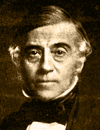 J.C. Philpot
in Prevailing Pleas, or the Hope and Savior of Israel
Read in context
The one unmistakable characteristic of every false prophet in history has been flattery.
 Zac Poonen
in True and False Prophets
Read in context
It is a short and easy step from the preaching of pleasant things to flattery, and from flattery to falsehood.
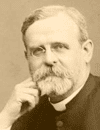 W.H. Griffith Thomas
in The Ministry of the Prophet
Read in context
But from the moment a minister allows himself to depart from the strict line of truth, he is in danger of ending where the false prophets ended.
W.H. Griffith Thomas
in The Ministry of the Prophet
Read in context
They preached smooth things because the people would have it so, because they thus brought grist to their own mill, and glory to their own names.
C.H. Spurgeon
in A Blast of the Trumpet Against False Peace
Read in context
There are thousands who seem ready to believe anything in religion, if they hear it from an ordained minister.
 J.C. Ryle
in Expository Thoughts On Matthew - Matthew 7:12-20
Read in context
They forget that clergymen may err as much as laymen: they are not infallible.
J.C. Ryle
in Expository Thoughts On Matthew - Matthew 7:12-20
Read in context
They come in the most mild, inoffensive manner, without any mark or token of enmity.
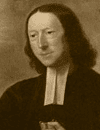 John Wesley
in Sermon on the Mount, 12
Read in context
They will make large professions of their good-will, of their concern for the danger you are in, and of their earnest desire to preserve you from error, from being entangled in new and mischievous doctrines.
John Wesley
in Sermon on the Mount, 12
Read in context
In order to know whether any who speak in the name of God are false or true prophets it is easy to observe, First, What are the fruits of their doctrine as to themselves?
John Wesley
in Sermon on the Mount, 12
Read in context
Does it appear by the general tenor of their conversation that their tempers are holy, heavenly, divine? that the mind is in them which was in Christ Jesus?
John Wesley
in Sermon on the Mount, 12
Read in context
A minister may say that he is sent of God, and yet be a wolf in sheep's clothing.
C.H. Spurgeon
in Sincerity And Duplicity
Read in context
The grievous wolves are evidently those false teachers who bring in another gospel which is not another.
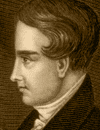 Robert Murray M'Cheyne
in The Hireling and the True Shepherd
Read in context
It is the false philosophy, poetry and religion that come as angels of light and aim at the perversion of the human conscience and the obliteration of all true convictions of right and wrong.
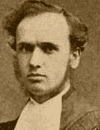 A.B. Simpson
in Isaiah Chapter 8 the Parable of the Vineyard
Read in context
We are directed not to believe every spirit, but to try the spirits, whether they be of God.
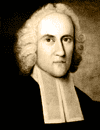 Jonathan Edwards
in That Persons Did Not Excite Them of Their Own Contrivance and by Their Own Strength, Is No Sign
Read in context
The teaching and conduct of all ministers must be tried by the Word of God: they are to be followed so long as they follow the Bible, but no longer.
J.C. Ryle
in Expository Thoughts On Matthew - Matthew 26:57-68
Read in context
The only safe course is to emulate the Bereans, and bring everything we hear from the platform and pulpit, yes, and everything we read in religious magazines, to the test of the Word of God, rejecting everything which is not clearly taught in the Holy Oracles.
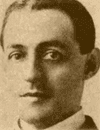 A.W. Pink
in Exposition of the Gospel of John CHAPTER 9 CHRIST AND NICODEMUS (CONCLUDED)
Read in context
Depend upon it, a man must know his Bible well if he is to prove religious teachings by it; and he must read it regularly if he would know it well.
J.C. Ryle
in Prove All Things
Read in context
We are to test prophecy by the established prophecies of essential truth.
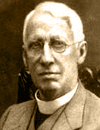 G. Campbell Morgan
in The Message of 2 Peter
Read in context
We are to avoid the peril of evil living that grows out of listening to false prophets, by all holy living and godliness resulting from obedience to the holy prophets.
G. Campbell Morgan
in The Message of 2 Peter
Read in context
What Scripture says
- Jeremiah 23:21 I did not send these prophets, yet they have run
- Deuteronomy 18:22 a message that does not come true is one the LORD has not spoken
- Deuteronomy 13:3 a sign does not make a prophet true; the LORD is testing your love
- Jeremiah 6:14 Peace, peace, when there is no peace
- Ezekiel 13:22 disheartening the righteous and encouraging the wicked
- Matthew 7:15 wolves in sheep's clothing
- Matthew 7:16 by their fruit you will recognize them
- 2 Peter 2:1 false teachers will arise among you
- 2 Corinthians 11:14 Satan himself masquerades as an angel of light
- 1 John 4:1 test the spirits
- Isaiah 8:20 to the law and to the testimony
How this page is made: the quotes are taken word for word from sermons on SermonIndex and checked against them by program before the page is published. The transcripts of audio and video sermons are machine-made, so follow the link to hear the words as they were spoken. The answer above the quotes is an overview with its sources listed; it is not a statement of doctrine by SermonIndex.