
Yes. Scripture is able to make us wise for salvation and to equip the believer for every good work. The preachers quoted here explain what sufficiency means, why nothing is to be added to the Bible by tradition or by any new revelation, how Scripture is the test of every teaching, and why the reader still needs the Holy Spirit to understand it.
Yes. Scripture contains all that a sinner needs to know to be saved and all that a believer needs to know to please God. Paul wrote to Timothy, "All Scripture is God-breathed and is useful for instruction, for conviction, for correction, and for training in righteousness," (2 Timothy 3:16). He gave the purpose: "so that the man of God may be complete, fully equipped for every good work." (2 Timothy 3:17). J.C. Ryle wrote, "Reader, the man who has the Bible, has everything which is absolutely needful to make him spiritually wise."1
What sufficiency means
To call the Bible sufficient is to say that God has put in it everything He means His people to believe and do. Charles Hodge wrote, "By the completeness of the Scriptures is meant that they contain all the extant revelations of God designed to be a rule of faith and practice to the Church."2 Richard Baxter wrote, "Though all in the Scripture is not of equal clearness or necessity, but a man may be saved that understandeth not a thousand sentences therein, yet all that is necessary to salvation is plainly there contained, and God's law is perfect to its designed use, and needeth no supplement of man's."3 A.A. Hodge wrote, "As the Scriptures profess to be a rule complete for its end, so they have always been practically found to be such by the true spiritual people of God in all ages."4
It does not mean that Scripture answers every question a curious mind can ask. Moses said, "The secret things belong to the LORD our God, but the things revealed belong to us and to our children forever" (Deuteronomy 29:29). A.W. Pink wrote, "God has already made known all that He deems well for us to know in this life, and any attempt to be wise above that which is written is naught but folly and impiety."5 Charles Spurgeon was content with what is written. He said, "It is to me always sufficient if I find a truth taught in Scripture: I ask no more."6
Enough to make us wise for salvation
Paul reminded Timothy what the Scriptures had already done for him. "From infancy you have known the Holy Scriptures, which are able to make you wise for salvation through faith in Christ Jesus." (2 Timothy 3:15). John says the same of his Gospel: "But these are written so that you may believe that Jesus is the Christ, the Son of God, and that by believing you may have life in His name." (John 20:31). Ryle wrote, "The Bible alone teaches us that God has made a full, perfect, and complete provision for the salvation of fallen man."7 Spurgeon said of teaching children, "God blessing your efforts, dear Friends, your children may know all of Scripture that is necessary to their salvation."8 In another sermon he said, "A babe in Grace taught by the Spirit of God may know the mind of the Lord concerning salvation and find its way to Heaven by the guidance of the Word alone."9 Pink wrote, "There is more than sufficient in God's Word to meet the temporal and spiritual needs of all mankind."10
Enough for faith and for life
Paul's words reach beyond conversion. The man of God is to be "complete, fully equipped for every good work." (2 Timothy 3:17). Samuel Miller wrote of the church, "The Bible is the great Statute-Book of the body of which we speak; the only infallible rule of faith and practice."11 Ryle wrote that "the Bible is the only rule by which all questions of doctrine or of duty can be tried."12 Pink wrote that "the Bible is a source of blessing, will minister to every need, and is able to supply every variety of want."10
Peter writes, "His divine power has given us everything we need for life and godliness through the knowledge of Him who called us by His own glory and excellence." (2 Peter 1:3). He then points his readers to the written word: "We also have the word of the prophets as confirmed beyond doubt. And you will do well to pay attention to it, as to a lamp shining in a dark place" (2 Peter 1:19). A.B. Simpson wrote on that passage, "We have the whole Word of God, which is a Word of Prophecy, its one burden being the coming of the Lord, and which is more sure than any vision or personal revelation that we could have."13
What David found in it
David praised the word of God for what it does. "The Law of the LORD is perfect, reviving the soul; the testimony of the LORD is trustworthy, making wise the simple." (Psalm 19:7). He adds, "The precepts of the LORD are right, bringing joy to the heart; the commandments of the LORD are radiant, giving light to the eyes." (Psalm 19:8). He says of the judgments of the LORD, "By them indeed Your servant is warned; in keeping them is great reward." (Psalm 19:11). Spurgeon said of the Bible, "It is just adapted to every individual in the world and it is also the most fit Book for any nation to use as an everyday guide as to its morals, its laws and its conduct in relation to both God and men."14 He went on, "If, however, the Scripture is made to be our constant companion and guide, we shall be saved from many mistakes into which, otherwise, we are sure to fall."14 In another sermon on the same psalm he said, "The sun in the heavens is everything to the natural world—and the Word of God in the heart is everything in the spiritual world."15 The psalmist says elsewhere, "Your word is a lamp to my feet and a light to my path." (Psalm 119:105).
They have Moses and the prophets
The Lord Jesus told of a rich man in torment who asked that someone be sent from the dead to warn his brothers. He thought that what they had was not enough. Abraham answered, "They have Moses and the prophets; let your brothers listen to them." (Luke 16:29). When the rich man pressed him, Abraham said, "If they do not listen to Moses and the prophets, they will not be persuaded even if someone rises from the dead." (Luke 16:31).
Jonathan Edwards preached on that verse. He said, "By Moses and the prophets is meant the whole Old Testament, which was the whole canon of Scripture which they had in those times."16 He observed, "In this passage, Moses and the prophets seem not only to be equalized to the warnings of one from the invisible world, but to be preferred before them."16 He said of sinners who will not repent, "And to make the matter the more excusable, they object against the sufficiency of their means, and so they will not believe, except they see hell, or see some person who has seen it."16 God knows better than we do what we need. Edwards said, "He who is striving with us, to bring us to repentance and salvation, uses the fittest and best means."16 He added, "In contriving and appointing the means of our salvation, he chooses better for us than we should for ourselves."16 He also said, "There is no testimony of spirits from the invisible world which would be so indisputable and unquestionable as the divine testimony."16 Baxter wrote, "Abraham sent not Dives's brethren to the king, or to the high-priest, to know what religion he should choose, or what he should do to escape hell torments; but it was Moses and the prophets that they must hear."17
Nothing is to be added
God guarded His word from the beginning. He said through Moses, "You must not add to or subtract from what I command you, so that you may keep the commandments of the LORD your God that I am giving you." (Deuteronomy 4:2). Proverbs says, "Do not add to His words, lest He rebuke you and prove you a liar." (Proverbs 30:6). The last book of the Bible closes with the same warning: "I testify to everyone who hears the words of prophecy in this book: If anyone adds to them, God will add to him the plagues described in this book." (Revelation 22:18). Thomas Brooks wrote, "It is a very dangerous thing for any mortals to be adding to God's worship and word; there is a horrible curse that hangs over the heads of all such that add or detract from the blessed Scriptures."18 Spurgeon said, "We must accept every single Word of precept, or prohibition, or instruction as being what it ought to be—and neither to be diminished nor increased."19 A.W. Tozer said, "I believe that this Bible is a living book, that God has given it to us and that we dare not add to it or take away from it."20 Pink wrote, "Since John added the capstone to the Temple of God's Truth there have been many wonderful discoveries and inventions, yet there have been no additions whatever to the moral and spiritual truths contained in the Bible."10 He continued, "Through the centuries of the Christian era, man has succeeded in learning many of the secrets of nature and has harnessed her forces to his service, but in the actual revelation of supernatural truth nothing new has been discovered."10
A man may add to Scripture without writing a new book. Edwards warned against putting a meaning of one's own on a text: "This making a new meaning to the Scripture, is the same thing as making a new Scripture; it is properly adding to the word, which is threatened with so dreadful a curse."21
Scripture and tradition
The Pharisees did not deny the Scriptures. They laid their own rules beside them. The Lord Jesus said to them, "You have disregarded the commandment of God to keep the tradition of men." (Mark 7:8). He said again, "Thus you nullify the word of God by the tradition you have handed down." (Mark 7:13). G. Campbell Morgan said of those words, "He declared in that statement that the movement which leads men into subjugation to tradition is one of departure from the commandment of God."22 Zac Poonen wrote, "The battle that Jesus was constantly engaged in with the Pharisees was the age-long battle of God's Word versus the traditions of men."23 He wrote elsewhere, "If those traditions have become more important to you than God's Word, then you are a Pharisee."24
Paul warns the church, "See to it that no one takes you captive through philosophy and empty deception, which are based on human tradition and the spiritual forces of the world rather than on Christ." (Colossians 2:8). Spurgeon said, "There is a fierce battle still raging in the world between Scripture and tradition—between this Grand Old Book and certain things which have been handed down by tradition from the fathers."25 He said in another place, "The Holy Ghost revealed much of precious truth and holy precept by the apostles, and to his teaching we would give earnest heed; but when men cite the authority of fathers and councils and bishops, we give place for subjection? no, not for an hour."26 He wrote, "No venerable name is sufficient authority for going aside from Holy Scripture."27 Thomas Manton wrote, "But that which we detest is, that the traditions of men should be made equal in dignity and authority with the express revelation of God."28 Charles Hodge wrote that the completeness of Scripture shuts out every other rule: "This excludes all unwritten traditions, not only, but also all decrees of the visible Church; all resolutions of conventions, or other public bodies, declaring this or that to be right or wrong, true or false."29 He added, "The people of God are bound by nothing but the Word of God."30 Stephen Charnock wrote that "the Scripture is the source of divine knowledge; not the traditions of men, nor reason separate from Scripture."31
The test of every teaching
Because Scripture is complete, it is the rule by which everything else is tried. Isaiah said, "To the law and to the testimony! If they do not speak according to this word, they have no light of dawn." (Isaiah 8:20). Luke commends the Jews of Berea, who heard an apostle and still went to the book: "Now the Bereans were more noble-minded than the Thessalonians, for they received the message with great eagerness and examined the Scriptures every day to see if these teachings were true." (Acts 17:11). Paul tells the Thessalonians, "test all things. Hold fast to what is good." (1 Thessalonians 5:21). He would have his own preaching judged in the same way: "But even if we or an angel from heaven should preach a gospel contrary to the one we preached to you, let him be under a curse!" (Galatians 1:8).
Thomas Watson wrote, "The Word is the judge of controversies, the rock of infallibility."32 He went on, "That only is to be received for truth, which agrees with Scripture, as the transcript with the original."33 He added, "All maxims in divinity are to be brought to the touchstone of Scripture, as all measures are brought to the standard."34 Ryle wrote, "Be very sure that every doctrine which will not stand the test of Scripture is false."35 He explained what he meant by the right of private judgment: "When I say the right of private judgment, I mean that every individual Christian has a right to judge for himself by the Word of God, whether that which is put before him as religious truth, is God's truth, or is not."36 Spurgeon said, "Furthermore, search the Scriptures, and bring everything you hear to this great test, because in so doing you will get a rich harvest of blessing to your own soul."37 Charles Hodge wrote, "If we would stand fast in the liberty wherewith Christ has made us free, we must adhere to the principle that in matters of religion and morals the Scriptures alone have authority to bind the conscience."38 Ryle answered the charge that this rule divides Christians: "Away with the foolish idea, that making the Bible alone the rule of faith hinders unity, and that those who profess to glory in the Bible, and nothing but the Bible, are hopelessly divided!"39
Plain enough to be understood
A sufficient book must be one that ordinary people can read. David says that the testimony of the LORD makes wise the simple, and the psalmist says, "The unfolding of Your words gives light; it informs the simple." (Psalm 119:130). Spurgeon said, "This is no closed book, as the priest would tell us; it is a volume which the Sunday School child may understand, if the Spirit of God rests upon his heart."37 He said elsewhere, "The Bible is a plain enough book, and if a man wishes to understand it he can."40 A.A. Hodge wrote of what Protestants hold about the clearness of Scripture, "But they do affirm that every essential article of faith and rule of practice is clearly revealed in Scripture, or may certainly be deduced therefrom."41
The Spirit gives understanding
The sufficiency of Scripture does not mean that the reader is sufficient. Paul writes, "The natural man does not accept the things that come from the Spirit of God. For they are foolishness to him, and he cannot understand them, because they are spiritually discerned." (1 Corinthians 2:14). So the psalmist prays, "Open my eyes that I may see wondrous things from Your law." (Psalm 119:18). Luke says of the risen Lord and His disciples, "Then He opened their minds to understand the Scriptures." (Luke 24:45). Spurgeon said, "The Word of God, apart from the Spirit of God, will be of no use to you."9 He also said, "The right course is to get your system of divinity out of the Bible under the unerring teaching of the Holy Spirit."42 Andrew Murray wrote, "We need to remind ourselves and the Church unceasingly, that the Scriptures which were spoken by holy men of old as they were moved by the Holy Spirit, can only be understood by holy men as they are taught by the same Spirit."43 He counselled, "Let us never take Scripture into our hand, or mind, or mouth, without realizing the need and the promise of the Spirit."43 Pink wrote, "God the Spirit is specially concerned with the scriptures: he was the one who moved holy men of old to speak the messages of God, as he is the one who now gives spiritual illumination and understanding, and guides into the truth."44
The fault is in our eyes and not in the book. Manton put it in a few words, "We are dark, and need the illumination of the Spirit; the scriptures are light"45, and A.A. Hodge wrote, "The promise of the Holy Spirit, the author and interpreter of Scripture, is to all Christians as such."46 John Newton wrote, "The Scripture itself, and the Spirit of God, are the best and the only sufficient expositors of Scripture."47 Watson wrote, "The Spirit is the soul of the Word, without which it is but a dead letter."48 The Spirit's help does not excuse us from reading. John Wesley said of those he called enthusiasts, "Such are they who expect to understand the holy Scriptures, without reading them, and meditating thereon; yea, without using all such helps as are in their power, and may probably conduce to that end."49
The Spirit and the Word together
The Spirit who gives light is the Spirit who gave the book, and He does not lead away from it. Murray wrote of the truth that Christ's words are spirit and life, "It will keep us from expecting to enjoy the teaching of the Spirit without the Word, or to master the teaching of the Word without the Spirit."43 He added, "The Holy Spirit has for all ages embodied the thoughts of God in the written word, and lives now for this very purpose in our hearts, there to reveal the power and the meaning of that Word."43 William Gurnall wrote of the saints, "The Spirit will do nothing for them without the word, and they can do nothing to purpose without him."50 Spurgeon said, "The Word, we say, is the only sword which the Spirit uses."51 He went on, "This Book contains the Word of God and is the Word of God—and this it is which the Holy Spirit judges to be so effectual a weapon against evil that He uses this, and only this, as His sword in the great conflict with the powers of darkness."51 Pink wrote, "The Divine illumination which the mind receives at the new birth is not by means of dreams or visions, nor does it consist in the revelation of things to the soul which have not been made known in the Scriptures."52 T. Austin-Sparks wrote, "There is nothing added by revelation to the Scriptures since the New Testament was closed"53, and he went on to speak of what the Spirit enables us to see in them.
Where preachers differ
Preachers on this site do not agree on whether God still gives prophecy to the church. Some hold that the miraculous gifts, prophecy among them, ended when the New Testament was complete. J.C. Philpot said, "The miraculous gifts, such as prophecy, healing, speaking with tongues, passed away with the apostolic age, and ceased when the canon of scripture was closed."54 Others hold that prophecy is still given. Smith Wigglesworth taught this, and said of it, "True prophecy, as it comes forth in the power of the Spirit of God, will neither take from nor add to the Scriptures, but will intensify and quicken that which already has been given to us of God."55 Poonen, who also writes of prophecy as a present gift, says that "no revelation from God can contradict what is written in the Bible"56.
This page does not decide that question. On the sufficiency of Scripture the two sides say the same thing: nothing may be added to the Bible, and every voice, dream and impression must be tried by it. John writes, "Beloved, do not believe every spirit, but test the spirits to see whether they are from God. For many false prophets have gone out into the world." (1 John 4:1). Simpson wrote, "There is to be no new revelation, no new Bible, no new authoritative voice from heaven."57 Tozer wrote, "The point is that when the New Testament canon was closed the blueprint for the age was complete."58 David Wilkerson wrote, "If there is any meaning at all to a dream, it could only be in conjunction with what is already revealed in God's Word."59 Dougan Clark wrote, "As the Scriptures were given by inspiration, and dictated by the Holy Spirit, any impression claiming to be revelation from God, which is contrary to the Scriptures, must be rejected as a delusion."60
Teachers have their place
To say that Scripture is enough is not to despise those who teach it. Christ gave "some to be pastors and teachers" (Ephesians 4:11) to His church. Watson wrote, "The church of God has appointed some to expound and interpret Scripture; therefore he has given gifts to men."61 He added, "The several pastors of churches, like bright constellations, give light to dark Scriptures."62 Tozer wrote, "We are, we trust, duly grateful for every good spiritual book written since the close of the New Testament canon."63 Their work is to open the book, and they are to be tested by it.
What follows
A sufficient Bible is of no use to the man who leaves it shut. The Lord Jesus met the tempter with what was written, and quoted Moses: "Man shall not live on bread alone, but on every word that comes from the mouth of God." (Matthew 4:4). George Whitefield said, "The scriptures contain the deep things of God, and therefore, can never be sufficiently searched into by a careless, superficial, cursory way of reading them, but by an industrious, close, and humble application."64 Spurgeon said, "Sit down, my Friend, and study the Book without note or comment, asking the Holy Spirit to teach you what it means—and whatever it means, you believe it!"42 He also said, "I would not take away a word from the Book of this prophecy, nor add thereunto; but let it stand as it is; for here it is that Jesus meets us and communes with us."65 James adds, "Be doers of the word, and not hearers only. Otherwise, you are deceiving yourselves." (James 1:22).
- J.C. Ryle, How Readest Thou.
- Charles Hodge, Writings of Charles Hodge - Volume 1, "The Completeness of the Scriptures".
- Richard Baxter, Writings of Richard Baxter, "S. The Cure of Melancholy and Overmuch Sorrow, by Faith".
- A.A. Hodge, Writings of A A Hodge, "S. Sola Scriptura "The Rule Of Faith And Practice"".
- A.W. Pink, "The Doctrine of Election 11. Its Opposition" (sermon).
- C.H. Spurgeon, Spurgeons Sermons Volume 37 1891, "Redemption Through Blood, the Gracious Forgiveness of Sins".
- J.C. Ryle, How Readest Thou.
- C.H. Spurgeon, "The Sunday School and the Scriptures" (sermon).
- C.H. Spurgeon, "Infallibility—Where To Find It and How To Use It" (sermon).
- A.W. Pink, "The Divine Inspiration of the Bible CHAPTER TEN: THE COMPLETENESS OF THE BIBLE…" (sermon).
- Samuel Miller, Writings of Samuel Miller, "Introductory".
- J.C. Ryle, How Readest Thou.
- A.B. Simpson, "1 & 2 Peter Chapter 7 the Coming of the Day of God" (sermon).
- C.H. Spurgeon, "David Warned and Rewarded" (sermon).
- C.H. Spurgeon, "The Warnings and the Rewards of the Word of God" (sermon).
- Jonathan Edwards, "The Warnings of Scripture Are in the Best Manner Adapted to the Awakening and Conversion of Sinners" (sermon).
- Richard Baxter, Writings of Richard Baxter, "A.5. an appendix".
- Thomas Brooks, Writings of Thomas Brooks, "Volume 5".
- C.H. Spurgeon, "The Obedience of Faith" (sermon).
- A.W. Tozer, "Revelation Is Not Enough" (sermon).
- Jonathan Edwards, Writings of Jonathan Edwards - Volume 1, "PART III(d)".
- G. Campbell Morgan, "'Ye Leave the Commandment of God, and Hold Fast the Tradition of Men' Mar 7:8" (sermon).
- Zac Poonen, "(New Wine in New Wineskins) 24. Christmas and Easter - Christian or Pagan?" (sermon).
- Zac Poonen, Writings of Zac Poonen - Volume 1, "Characteristic 49".
- C.H. Spurgeon, "Who Is on the Lord's Side" (sermon).
- C.H. Spurgeon, ""Thus Saith The Lord " Or, The Book of Common Prayer Weighed in the Balances of the Sanctuary" (sermon).
- C.H. Spurgeon, An All-Round Ministry, "The minister in these times".
- Thomas Manton, The Complete Works of Thomas Manton, D.D. Vol. V, "The scripture sufficient without".
- Charles Hodge, Writings of Charles Hodge - Volume 1, "The Completeness of the Scriptures".
- Charles Hodge, Writings of Charles Hodge - Volume 1, "The Completeness of the Scriptures".
- Stephen Charnock, Writings of Stephen Charnock, "On The Wisdom of God".
- Thomas Watson, Body of Practical Divinity, "i A Preliminary Discourse on Catechizing contd".
- Thomas Watson, Body of Practical Divinity, "i A Preliminary Discourse on Catechizing contd".
- Thomas Watson, Body of Practical Divinity, "i A Preliminary Discourse on Catechizing contd".
- J.C. Ryle, "General Counsels to Young Men" (sermon).
- J.C. Ryle, "Prove All Things" (sermon).
- C.H. Spurgeon, "Search the Scriptures" (sermon).
- Charles Hodge, Writings of Charles Hodge - Volume 1, "The Completeness of the Scriptures".
- J.C. Ryle, How Readest Thou.
- Charles Haddon Spurgeon, Spurgeon's Sermons Volume 16: 1870, "Think Well And Do Well".
- A.A. Hodge, Writings of A A Hodge, "S. Sola Scriptura "The Rule Of Faith And Practice"".
- C.H. Spurgeon, "Honor for Honor" (sermon).
- Andrew Murray, "The Spirit and the Word" (sermon).
- A.W. Pink, "The Word of Victory" (sermon).
- Thomas Manton, The Works of Thomas Manton, D.D. Vol. VI, "Sermon xxv".
- A.A. Hodge, Writings of A A Hodge, "S. Sola Scriptura "The Rule Of Faith And Practice"".
- John Newton, Writings of John Newton - Volume 1, "Eight letters to a pastor".
- Thomas Watson, The Godly Man's Picture, "A Godly Man has the Spirit of God Residing in Him".
- John Wesley, "The Nature of Enthusiasm" (sermon).
- William Gurnall, Writings of William Gurnall, "Sixth Piece - The Christian's Sword".
- C.H. Spurgeon, "The Sword of the Spirit" (sermon).
- A.W. Pink, "REGENERATION OR THE NEW BIRTH Chapter 3 ITS EFFECTS" (sermon).
- T. Austin-Sparks, "The New Cruse (Continued)" (sermon).
- J.C. Philpot, "The Work of Faith, Patience of Hope, and Labor of Love" (sermon).
- Smith Wigglesworth, "The Gift of Prophecy" (sermon).
- Zac Poonen, "(Knowing God's Way) 19. the Truth About Speaking in Tongues" (sermon).
- A.B. Simpson, "(Power From on High) 27. the Spirit's Message to the Churches" (sermon).
- A.W. Tozer, "The Menace of the Religious Movie" (sermon).
- David Wilkerson, A Large Collection of Sermons By Pastor David Wilkerson - Volume 1, "PRE-084-81. The Lord�s Little Turtledove".
- Dougan Clark, "The Indwelling Comforter" (sermon).
- Thomas Watson, Body of Practical Divinity, "i A Preliminary Discourse on Catechizing contd".
- Thomas Watson, Body of Practical Divinity, "i A Preliminary Discourse on Catechizing contd".
- A.W. Tozer, "Keeping the Message of the Bible Central" (sermon).
- George Whitefield, "The Duty of Searching the Scriptures. (John 5:39)" (sermon).
- C.H. Spurgeon, Spurgeons Sermons Volume 37 1891, "The Private Thoughts and Words of Jesus".
In their own words
Each line below is quoted exactly from a sermon on this site. Follow the link to hear or read it where it was said.
God has already made known all that He deems well for us to know in this life, and any attempt to be wise above that which is written is naught but folly and impiety.
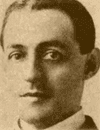 A.W. Pink
in The Doctrine of Election 11. Its Opposition
Read in context
God blessing your efforts, dear Friends, your children may know all of Scripture that is necessary to their salvation.
 C.H. Spurgeon
in The Sunday School and the Scriptures
Read in context
A babe in Grace taught by the Spirit of God may know the mind of the Lord concerning salvation and find its way to Heaven by the guidance of the Word alone.
C.H. Spurgeon
in Infallibility—Where To Find It and How To Use It
Read in context
The Word of God, apart from the Spirit of God, will be of no use to you.
C.H. Spurgeon
in Infallibility—Where To Find It and How To Use It
Read in context
There is more than sufficient in God's Word to meet the temporal and spiritual needs of all mankind.
A.W. Pink
in The Divine Inspiration of the Bible CHAPTER TEN: THE COMPLETENESS OF THE BIBLE…
Read in context
Since John added the capstone to the Temple of God's Truth there have been many wonderful discoveries and inventions, yet there have been no additions whatever to the moral and spiritual truths contained in the Bible.
A.W. Pink
in The Divine Inspiration of the Bible CHAPTER TEN: THE COMPLETENESS OF THE BIBLE…
Read in context
Through the centuries of the Christian era, man has succeeded in learning many of the secrets of nature and has harnessed her forces to his service, but in the actual revelation of supernatural truth nothing new has been discovered.
A.W. Pink
in The Divine Inspiration of the Bible CHAPTER TEN: THE COMPLETENESS OF THE BIBLE…
Read in context
We have the whole Word of God, which is a Word of Prophecy, its one burden being the coming of the Lord, and which is more sure than any vision or personal revelation that we could have.
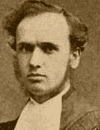 A.B. Simpson
in 1 & 2 Peter Chapter 7 the Coming of the Day of God
Read in context
It is just adapted to every individual in the world and it is also the most fit Book for any nation to use as an everyday guide as to its morals, its laws and its conduct in relation to both God and men.
C.H. Spurgeon
in David Warned and Rewarded
Read in context
If, however, the Scripture is made to be our constant companion and guide, we shall be saved from many mistakes into which, otherwise, we are sure to fall.
C.H. Spurgeon
in David Warned and Rewarded
Read in context
The sun in the heavens is everything to the natural world—and the Word of God in the heart is everything in the spiritual world.
C.H. Spurgeon
in The Warnings and the Rewards of the Word of God
Read in context
By Moses and the prophets is meant the whole Old Testament, which was the whole canon of Scripture which they had in those times.
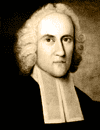 Jonathan Edwards
in The Warnings of Scripture Are in the Best Manner Adapted to the Awakening and Conversion of Sinners
Read in context
In this passage, Moses and the prophets seem not only to be equalized to the warnings of one from the invisible world, but to be preferred before them.
Jonathan Edwards
in The Warnings of Scripture Are in the Best Manner Adapted to the Awakening and Conversion of Sinners
Read in context
And to make the matter the more excusable, they object against the sufficiency of their means, and so they will not believe, except they see hell, or see some person who has seen it.
Jonathan Edwards
in The Warnings of Scripture Are in the Best Manner Adapted to the Awakening and Conversion of Sinners
Read in context
He who is striving with us, to bring us to repentance and salvation, uses the fittest and best means.
Jonathan Edwards
in The Warnings of Scripture Are in the Best Manner Adapted to the Awakening and Conversion of Sinners
Read in context
In contriving and appointing the means of our salvation, he chooses better for us than we should for ourselves.
Jonathan Edwards
in The Warnings of Scripture Are in the Best Manner Adapted to the Awakening and Conversion of Sinners
Read in context
There is no testimony of spirits from the invisible world which would be so indisputable and unquestionable as the divine testimony.
Jonathan Edwards
in The Warnings of Scripture Are in the Best Manner Adapted to the Awakening and Conversion of Sinners
Read in context
We must accept every single Word of precept, or prohibition, or instruction as being what it ought to be—and neither to be diminished nor increased.
C.H. Spurgeon
in The Obedience of Faith
Read in context
I believe that this Bible is a living book, that God has given it to us and that we dare not add to it or take away from it.
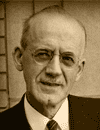 A.W. Tozer
in Revelation Is Not Enough
Read in context
He declared in that statement that the movement which leads men into subjugation to tradition is one of departure from the commandment of God.
 G. Campbell Morgan
in 'Ye Leave the Commandment of God, and Hold Fast the Tradition of Men' Mar 7:8
Read in context
The battle that Jesus was constantly engaged in with the Pharisees was the age-long battle of God's Word versus the traditions of men.
 Zac Poonen
in (New Wine in New Wineskins) 24. Christmas and Easter - Christian or Pagan?
Read in context
There is a fierce battle still raging in the world between Scripture and tradition—between this Grand Old Book and certain things which have been handed down by tradition from the fathers.
C.H. Spurgeon
in Who Is on the Lord's Side
Read in context
The Holy Ghost revealed much of precious truth and holy precept by the apostles, and to his teaching we would give earnest heed; but when men cite the authority of fathers and councils and bishops, we give place for subjection? no, not for an hour.
C.H. Spurgeon
in “Thus Saith The Lord ” Or, The Book of Common Prayer Weighed in the Balances of the Sanctuary
Read in context
Be very sure that every doctrine which will not stand the test of Scripture is false.
 J.C. Ryle
in General Counsels to Young Men
Read in context
When I say the right of private judgment, I mean that every individual Christian has a right to judge for himself by the Word of God, whether that which is put before him as religious truth, is God's truth, or is not.
J.C. Ryle
in Prove All Things
Read in context
Furthermore, search the Scriptures, and bring everything you hear to this great test, because in so doing you will get a rich harvest of blessing to your own soul.
C.H. Spurgeon
in Search the Scriptures
Read in context
This is no closed book, as the priest would tell us; it is a volume which the Sunday School child may understand, if the Spirit of God rests upon his heart.
C.H. Spurgeon
in Search the Scriptures
Read in context
The right course is to get your system of divinity out of the Bible under the unerring teaching of the Holy Spirit.
C.H. Spurgeon
in Honor for Honor
Read in context
Sit down, my Friend, and study the Book without note or comment, asking the Holy Spirit to teach you what it means—and whatever it means, you believe it!
C.H. Spurgeon
in Honor for Honor
Read in context
We need to remind ourselves and the Church unceasingly, that the Scriptures which were spoken by holy men of old as they were moved by the Holy Spirit, can only be understood by holy men as they are taught by the same Spirit.
 Andrew Murray
in The Spirit and the Word
Read in context
Let us never take Scripture into our hand, or mind, or mouth, without realizing the need and the promise of the Spirit.
Andrew Murray
in The Spirit and the Word
Read in context
It will keep us from expecting to enjoy the teaching of the Spirit without the Word, or to master the teaching of the Word without the Spirit.
Andrew Murray
in The Spirit and the Word
Read in context
The Holy Spirit has for all ages embodied the thoughts of God in the written word, and lives now for this very purpose in our hearts, there to reveal the power and the meaning of that Word.
Andrew Murray
in The Spirit and the Word
Read in context
God the Spirit is specially concerned with the scriptures: he was the one who moved holy men of old to speak the messages of God, as he is the one who now gives spiritual illumination and understanding, and guides into the truth.
A.W. Pink
in The Word of Victory
Read in context
Such are they who expect to understand the holy Scriptures, without reading them, and meditating thereon; yea, without using all such helps as are in their power, and may probably conduce to that end.
 John Wesley
in The Nature of Enthusiasm
Read in context
The Word, we say, is the only sword which the Spirit uses.
C.H. Spurgeon
in The Sword of the Spirit
Read in context
This Book contains the Word of God and is the Word of God—and this it is which the Holy Spirit judges to be so effectual a weapon against evil that He uses this, and only this, as His sword in the great conflict with the powers of darkness.
C.H. Spurgeon
in The Sword of the Spirit
Read in context
The Divine illumination which the mind receives at the new birth is not by means of dreams or visions, nor does it consist in the revelation of things to the soul which have not been made known in the Scriptures.
A.W. Pink
in REGENERATION OR THE NEW BIRTH Chapter 3 ITS EFFECTS
Read in context
The miraculous gifts, such as prophecy, healing, speaking with tongues, passed away with the apostolic age, and ceased when the canon of scripture was closed.
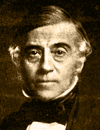 J.C. Philpot
in The Work of Faith, Patience of Hope, and Labor of Love
Read in context
True prophecy, as it comes forth in the power of the Spirit of God, will neither take from nor add to the Scriptures, but will intensify and quicken that which already has been given to us of God.
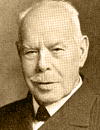 Smith Wigglesworth
in The Gift of Prophecy
Read in context
There is to be no new revelation, no new Bible, no new authoritative voice from heaven.
A.B. Simpson
in (Power From on High) 27. the Spirit's Message to the Churches
Read in context
The point is that when the New Testament canon was closed the blueprint for the age was complete.
A.W. Tozer
in The Menace of the Religious Movie
Read in context
As the Scriptures were given by inspiration, and dictated by the Holy Spirit, any impression claiming to be revelation from God, which is contrary to the Scriptures, must be rejected as a delusion.
 Dougan Clark
in The Indwelling Comforter
Read in context
We are, we trust, duly grateful for every good spiritual book written since the close of the New Testament canon.
A.W. Tozer
in Keeping the Message of the Bible Central
Read in context
The scriptures contain the deep things of God, and therefore, can never be sufficiently searched into by a careless, superficial, cursory way of reading them, but by an industrious, close, and humble application.
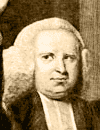 George Whitefield
in The Duty of Searching the Scriptures. (John 5:39)
Read in context
What Scripture says
- 2 Timothy 3:15 the Scriptures are able to make you wise for salvation
- 2 Timothy 3:16 all Scripture is God-breathed and useful
- 2 Timothy 3:17 complete, fully equipped for every good work
- Psalm 19:7 the Law of the LORD is perfect
- 2 Peter 1:3 everything we need for life and godliness
- Luke 16:31 if they do not listen to Moses and the prophets
- Deuteronomy 4:2 do not add to or subtract from what God commands
- Isaiah 8:20 to the law and to the testimony
- Acts 17:11 the Bereans examined the Scriptures every day
- Mark 7:13 the word of God nullified by tradition
- 1 Corinthians 2:14 the things of the Spirit are spiritually discerned
How this page is made: the quotes are taken word for word from sermons on SermonIndex and checked against them by program before the page is published. The transcripts of audio and video sermons are machine-made, so follow the link to hear the words as they were spoken. The answer above the quotes is an overview with its sources listed; it is not a statement of doctrine by SermonIndex.