
The biblical concept of "True Gospel vs. Worldly Wisdom" emphasizes the distinction between God's wisdom and the wisdom of the world, highlighting the superiority of the former. According to 1 Corinthians 1:20, the wisdom of the world is considered foolishness by God, whereas the gospel of Christ is the power of God unto salvation, as stated in Romans 1:16. The Bible warns against conforming to the world's wisdom, instead encouraging believers to renew their minds and trust in God's sovereignty, as seen in Psalms 119:105, where the psalmist affirms that God's word is a lamp unto their feet, guiding them on the path of righteousness. By embracing the true gospel, Christians can discern the difference between worldly wisdom and God's wisdom, ultimately trusting in the latter to navigate life's challenges.

Shane Idleman emphasizes the contrast between the wisdom of the world and the foolishness of the cross in his sermon 'Call Me a Fool.' He explains that while believers are called saints, they can still act carnally, and the message of the cross, which is often deemed foolish by the world, is actuall

Phil Beach Jr. emphasizes the profound significance of the cross in the life of a believer, arguing that true Christianity is not merely about forgiveness but about being crucified with Christ. He warns against relying on human wisdom, which can empty the power of the cross, and instead calls for a

Watchman Nee emphasizes the profound significance of the Cross in destroying the serpent, which symbolizes Satan and the power of death. He explains that through His death, Jesus not only defeated the serpent but also initiated the creation of a new race, freeing humanity from the curse of the Fall.

T. Austin-Sparks reflects on the life and ministry of Theodore Austin-Sparks (TAS), a profound preacher and teacher who significantly influenced the Christian community in early 20th century Britain. Born into a non-believing family, TAS found faith at 17 and dedicated his life to deepening believer
Peter Brandon preaches on 'The Death of the Lord Jesus,' emphasizing the unnatural and supernatural aspects of Christ's death. He explains that Jesus, being sinless, submitted to death, which was marked by significant supernatural events such as the tearing of the temple veil and an earthquake, symb
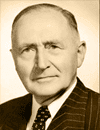
F.J. Huegel emphasizes the transformative power of identifying with Christ's death and resurrection, which radically alters a believer's relationship with the Church, missions, and prayer. He argues that true unity among believers transcends denominational boundaries, as they are bound by their shar
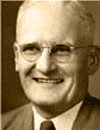
L.E. Maxwell emphasizes the transformative power of the Cross, illustrating how it contradicts human nature and calls for a complete renewal of the self. He uses the analogy of a countryman seeking to repair a broken gun to highlight that God desires to make us new creations rather than simply fixin

G.W. North emphasizes that spiritual gifts, while inherently spiritual, depend on the recipient's spiritual state for their continued effectiveness. He warns that if an individual becomes carnal, the gifts will also lose their spiritual essence and become misused. To maintain the original power of t

A.W. Tozer emphasizes the radical nature of the cross of Christ, asserting that it represents a complete and uncompromising transformation in the lives of believers. He explains that the cross, which initially brought death to Christ, also signifies the end of the old life for every true follower, l
T. Austin-Sparks emphasizes that the Letter to the Philippians reveals how the Cross makes Christ our all, urging believers to approach it with humility and a recognition of their own spiritual shortcomings. He highlights Paul's declaration, 'For me to live is Christ,' illustrating that true life is