
Mortal life is a profound theme woven throughout Scripture, reflecting the transient nature of human existence and the eternal truths of God's promises. As expressed in Psalms 90:12, "So teach us to number our days, that we may gain a heart of wisdom," the brevity of life calls believers to live with purpose and intentionality. The Apostle Paul reminds us in Romans 5:17c that through Adam's sin, death entered the world, underscoring the reality of mortality that all humanity faces. Yet, in the midst of this sobering truth, there is hope, as articulated in Job 14:14, where Job asks, "If a man dies, shall he live again?" This question resonates with the Christian hope of resurrection, as affirmed in 1 Corinthians 15:22, "For as in Adam all die, so also in Christ shall all be made alive." The fleeting nature of our mortal days is poignantly captured in the sermon titles such as "Life's Shortness and Vanity" and "Our Days, Alas! Our Mortal Days," which echo the sentiment of Ecclesiastes 1:2, declaring, "Vanity of vanities! All is vanity!" Ultimately, the teachings of Jesus in Matthew 6:19-21 encourage believers to invest in eternal treasures, reminding us that while our mortal life is temporary, our lives can have lasting significance in the kingdom of God.

Anne Bradstreet reflects on the transient nature of life and the inevitability of death, emphasizing the importance of cherishing loved ones and preparing for the unknown future. She expresses her love and concern for her dear friend, urging them to remember her fondly and care for her children in h

In this sermon, the preacher discusses the stages that people who have faced near-death experiences go through. He mentions that initially, individuals tend to resist and rebel against the idea of death. However, in the second stage, they reflect on their lives, focusing on the pleasant moments. Fin
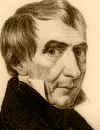
Henry Law preaches on Psalm 90, a prayer of Moses, emphasizing the eternal nature of God as our dwelling place, the brevity of human life contrasted with God's everlasting existence, the impact of sin on our mortality, and the importance of seeking wisdom and mercy from God in our limited time on ea
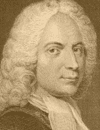
Isaac Watts preaches about the transient nature of life, emphasizing that we come from dust and return to dust, highlighting that all the joys and possessions we have are temporary gifts from God to be eventually returned, and reminding us that God is the ultimate giver and taker of all things. Watt
Isaac Watts reflects on the brevity and challenges of mortal life, acknowledging the presence of pain and sin throughout our limited days on earth. He urges for a quick passage through the struggles of life, longing for Heavenly Love to prepare the soul for eternal salvation and glory. Watts then sh
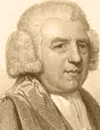
John Newton delves into the mysterious world of dreams, highlighting how our minds continue to work even as our bodies rest, suggesting a deeper spiritual connection. He emphasizes the significance of dreams as potential messages from God, urging listeners to pay attention to the lessons and warning

In this sermon, the preacher discusses a biblical story about a king who was terrified by the appearance of a man's hand writing on a wall. The preacher emphasizes the fear and terror that the king experienced, highlighting the significance of the message being conveyed. The sermon then shifts to a
Samuel Davies preaches about the shortness and vanity of life, urging listeners to live with a perspective of eternity in mind. He emphasizes the need for serious preparation for death and eternity, highlighting the insignificance of worldly affairs compared to the eternal world. Davies warns agains
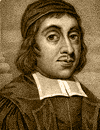
Thomas Watson preaches on the importance of understanding the brevity and challenges of life, likening it to a day with its shortness, vicissitudes, labor, and irreversibility, urging believers to not be overly attached to worldly things. He emphasizes that the Christian life is a constant warfare i
In this sermon by the Preacher, he reflects on the futility of human life and the inevitability of death, noting that neither foresight nor wickedness can save anyone from the grave. He contemplates the perplexing contradiction between the fate of the righteous and the wicked, expressing his confusi