
Methodist history is a profound narrative of faith, community, and the transformative power of grace, deeply rooted in biblical principles. At its inception, the movement was ignited by the passionate preaching of John Wesley, who emphasized the necessity of personal holiness and the assurance of salvation, echoing the sentiments found in Ephesians 2:8-9, where we learn that it is by grace we are saved through faith. The early Methodists sought to embody the teachings of Christ, as seen in Matthew 5:14-16, encouraging believers to be the light of the world through acts of service and love. Significant events such as the General Conference of 1808 and the General Conference of 1824 were pivotal in shaping the organizational structure of Methodism, reflecting the biblical call for unity in the body of Christ as articulated in 1 Corinthians 12:12-27. Furthermore, the legacy of figures like William Trotter reminds us of the importance of perseverance in faith, as encouraged in Hebrews 12:1-2. As we explore Methodist history, we witness a movement that not only sought to reform the church but also aimed to fulfill the Great Commission found in Matthew 28:19-20, spreading the gospel to all nations and nurturing a vibrant community of believers.

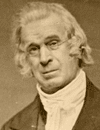
William Trotter, a dedicated Methodist preacher, served as an evangelist, pastor, and teacher, embodying a life of triple duty in his 47 years of ministry. He was saved during a spiritual harvest in the north of England and actively worked in various locations, including Halifax and York, witnessing
In this sermon, Bishop Asbury's diligent efforts to spread the gospel across the continent are highlighted, despite facing physical limitations that required him to employ substitutes in conferences. The sermon also delves into the challenges faced by Methodist preachers in new territories like Mart
The conference in Baltimore, led by Bishops McKendree, George, and Roberts, commenced with readings from the Holy Scriptures, singing, and prayer. Delegates from various annual conferences presented their certificates of election. The conference addressed issues such as the relationship with the Bri
The General Conference of 1808, led by Bishop Asbury, faced important decisions regarding the organization and representation of the Methodist Episcopal Church. Dr. Coke's proposal for a union with the Protestant Episcopal Church was met with mixed reactions, leading to debates and ultimately reject