
Heresy warning is a crucial theme in Scripture, emphasizing the need for vigilance and discernment among believers. The Apostle Paul, in his letter to Titus, instructs the church to avoid divisive individuals, stating in Titus 3:10-11 that a person who stirs up division should be warned once and then a second time, and after that, have nothing to do with them. This call to separation underscores the seriousness of false teachings that can lead believers astray from the truth of the Gospel. Jesus Himself warns in Matthew 7:15 to beware of false prophets who come in sheep's clothing but inwardly are ravenous wolves, highlighting the deceptive nature of heresy. Furthermore, in 2 Peter 2:1, we are reminded that false teachers will secretly introduce destructive heresies, which can lead to the exploitation of the faithful. The early church was also vigilant, as seen in the Epistle to the Trallians, where believers are urged to stand firm against heretical teachings. As believers, we are called to watch and pray, as articulated in Matthew 26:41, to remain alert to the dangers of heresy that threaten the integrity of our faith. In doing so, we uphold the truth of Scripture and protect the unity of the body of Christ.

G.V. Wigram preaches about heresy, emphasizing that it is not departing from the figure of truth but from the Spirit of truth. He highlights the importance of the Holy Ghost as the only authorized and infallible interpreter of Scripture, guiding each believer to understand truth. Wigram warns agains
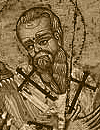
Ignatius of Antioch writes a letter to the holy Church in Tralles, commending their unblameable and sincere faith, urging them to be subject to their bishop and deacons, and emphasizing the importance of unity and love within the Church. He warns against the dangers of heresy and the snares of the d
Ignatius of Antioch warns against those who mock the cross, passion, and resurrection of Jesus, attributing their actions to the evil spirit who has been the source of sin and rebellion since the beginning. He urges believers to distance themselves from such individuals, focusing instead on the teac
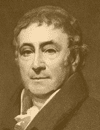
Robert Barclay challenges all professors of Christianity to reason together and examine their beliefs in light of the Scriptures and the power of God. He emphasizes the importance of acknowledging the Gospel and the principles of God's love, justice, and mercy as revealed in the Scriptures and throu

John Chrysostom emphasizes the importance of maintaining good works and avoiding unprofitable disputes and contentions. He encourages believers to be diligent in almsgiving and to seek out opportunities to help those in need, highlighting that good works are beneficial to all. Chrysostom warns again