
The concept of "Fullness in Christ" is a central theme in Christian theology, emphasizing the believer's complete and utter dependence on Jesus Christ for spiritual fulfillment and completion. According to Colossians 2:10, believers are made full in Christ, who is the head of all principality and power, indicating that He is the sole source of their spiritual sufficiency. As Ephesians 3:19 notes, believers are filled with all the fullness of God through their union with Christ, enabling them to live a life that honors God and bears fruit for His kingdom, as also seen in John 10:10 where Jesus promises abundant life to those who follow Him. This doctrine is rooted in the biblical idea that Christ is the ultimate reality and source of all spiritual blessings, as expressed in Psalms 23:1, where David declares that the Lord is his shepherd, underscoring the believer's reliance on God's provision and care.

A.B. Simpson emphasizes the necessity of spiritual growth and enlargement in the Christian life, urging believers to move beyond stagnation and embrace a deeper relationship with Christ. He illustrates that true growth requires a larger vision, faith, love, joy, experience, work, and hope, all roote

Octavius Winslow emphasizes the profound truth that in Christ dwells all the fullness of the Godhead, which brings joy and hope to believers. He explains that this fullness encompasses everything a fallen humanity needs for salvation, sanctification, and grace, highlighting Jesus as the source of al
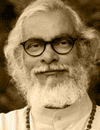
K.P. Yohannan emphasizes the necessity of being crucified with Christ to experience the fullness of the Holy Spirit, as articulated in Galatians 2:20. He illustrates that true life in Christ requires the surrender of our selfish ambitions and the acceptance of brokenness, akin to a grain of wheat th

Alan Redpath emphasizes the concept of being 'Filled to Overflowing' with the fullness of Christ, explaining that this fullness encompasses the complete character of God and is made available to believers through the Holy Spirit. He highlights that as we trust in Jesus and live out His words, we are
A.B. Simpson emphasizes the necessity of dying to self in order to fully live for Christ. He illustrates how our self-importance and personal ambitions can become idols that hinder our relationship with Jesus. Just as the dot over the letter 'i' signifies self, it can overshadow our lives and become

A.W. Tozer emphasizes the importance of fashioning ourselves as Christians according to God's holiness rather than our former lusts. He explains that while we are not fixed in our nature, we have the potential for change and growth through the influence of the Holy Spirit. Tozer encourages believers

In this sermon, the speaker discusses two lessons they have learned about making spiritual progress. The first principle they emphasize is the importance of taking a step of faith and putting oneself in a position to experience God's power. They believe that progress cannot be made without this step
In this sermon, the preacher emphasizes the importance of giving up worldly possessions and desires in order to gain eternal life. He shares a quote from a missionary who said, "He is no fool who gives up that which he cannot keep to gain that which he cannot lose." The preacher also discusses the
A.W. Tozer addresses the unique temptations faced by young men in his sermon on Titus, emphasizing the importance of being sober-minded and setting a pattern of good works. He identifies six key temptations: laziness, impulsiveness, self-indulgence, love of money, pride, and levity, urging young men

J. Sidlow Baxter emphasizes the vital role of prayer in the Christian life, highlighting that true spiritual development and revival in churches depend on persistent and united prayer. He explains that prayer should be approached with faith, free from emotional distractions, and focused on intercedi