
False idolatry is a pervasive theme throughout Scripture, warning believers against the dangers of placing anything or anyone above God. In Isaiah 46:5-7, the prophet challenges the futility of idol worship, asking, "To whom will you liken me and make me equal, and compare me, that we may be alike?" This rhetorical question underscores the absurdity of creating gods from material objects, as seen in Exodus 20:3-5, where God commands His people to have no other gods before Him. The allure of modern idolatry, such as the pursuit of fame and success, is echoed in the sermon titled 'American Idol,' which examines how contemporary culture often elevates celebrities and personal ambitions to a divine status. Jesus warns in Matthew 6:24 that one cannot serve two masters, emphasizing that devotion to worldly pursuits can lead to spiritual ruin. Furthermore, the notion that mere religious affections, as discussed in 'Persons Having Religious Affections of Many Kinds, Accompanying One Another, Is No Sign,' does not equate to true faith, highlights the importance of genuine worship over superficial expressions. The 'False Light' sermon further elucidates how deceptive ideologies can masquerade as truth, leading believers away from the authentic light of Christ. Ultimately, the Bible calls for a heart wholly devoted to God, as stated in Deuteronomy 6:5, urging us to love the Lord with all our heart, soul, and might.

In this sermon, the preacher discusses the story of Nebuchadnezzar and his prideful behavior. Nebuchadnezzar initially repents and walks humbly before God, but eventually falls back into pride and is warned by the watchers that he will be driven forth with a wild beast for seven seasons. The preache

David Servant preaches about the dangers of creating a version of Jesus that aligns with our preferences rather than the Jesus revealed in Scripture. He contrasts 'American Jesus' with 'Bible Jesus,' highlighting how American Jesus emphasizes grace without transformation, eternal security without ob

In this sermon, the speaker discusses the impact of a strike in a city and compares it to the situation in Egypt during the time of Pharaoh. The strike caused the city to become dark and lifeless, leading to its immediate resolution. Similarly, in Egypt, false religion was rendered powerless and the
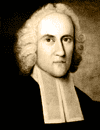
Jonathan Edwards discusses how having various religious affections does not necessarily indicate true gracious affections. He explains that false religion can manifest in different forms, resembling genuine affections, such as love for God, godly sorrow for sin, fear of God, gratitude, joy, zeal, de
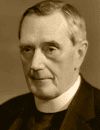
W.R. Inge delves into the concept of the False Light, contrasting it with the true light which is of God and seeks goodness for its own sake. The false light deceives and seeks self-interest, aspiring to be like God without understanding the humility and selflessness required. It rejects the life of