
Church participation is a vital aspect of the Christian faith, as emphasized in the Bible through various passages that encourage believers to gather together and engage in communal worship and service. According to Hebrews 10:25, Christians are exhorted not to forsake the assembling of themselves together, highlighting the importance of regular church attendance and participation in the life of the community. As Ephesians 4:16 notes, the church is a body that grows and is nourished through the mutual support and service of its members, with each one contributing their unique gifts and talents to the edification of the whole. Through church participation, believers can experience the fulfillment of Psalms 133:1, which describes the blessing of unity and harmony among God's people, as they come together to worship, learn, and serve one another.

A.W. Tozer addresses the issue of 'Spectator Christians,' emphasizing that many believers are content with merely attending church without actively participating in its life and outreach. He challenges the notion that being saved is sufficient for spiritual fulfillment, arguing that true faith compe

In this sermon, the preacher emphasizes that God calls His people in their weakness to reach out to those who are crying out for truth and meaning in life. The preacher uses the example of Moses being called by God to deliver the Israelites from bondage. He highlights that the church and every belie

Phil Beach Jr. emphasizes the active nature of God's grace and love in the believer's life, arguing that true love compels action, purpose, and determination. He warns against passive Christianity, urging believers to engage in ten spiritual disciplines outlined in 1 Peter, which reflect a vibrant r
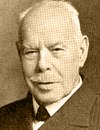
Smith Wigglesworth emphasizes the transformative power of the Holy Spirit in believers' lives, as stated in Acts 1:8. He passionately asserts that this divine power enables Christians to overcome sin, sickness, and the devil, urging them to actively use this power rather than waiting passively. Thro

Robert Murray M'Cheyne emphasizes the importance of active faith through the example of Mary, sister of Lazarus, who not only sat at Jesus' feet but also took action by anointing Him with costly ointment. He urges believers to express their love for Christ through their actions, live holy lives, and

Thomas Brooks emphasizes that saving faith is an active and transformative force in a believer's life, compelling them to grieve, combat, and resist sin while fostering a deep relationship with God. This faith leads to a life of diligent service, joy in pious duties, and a serious commitment to God'
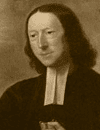
John Wesley expounds on Matthew 25, emphasizing the importance of being prepared for the coming of the Lord, as illustrated by the parable of the ten virgins. He warns that mere harmlessness is not enough for salvation, as seen in the parable of the talents, where the unprofitable servant is cast in

C.H. Spurgeon emphasizes that Christians should view the church not as a place of rest but as a training ground for spiritual warfare. He likens believers to arrows in God's quiver, urging them to be actively engaged in spreading the Gospel and fighting against spiritual adversaries. Spurgeon calls

John Gill emphasizes the importance of reminding believers of their duties and responsibilities in Christ, as he reflects on his role as an apostle and elder. He likens the human body to a temporary tabernacle, underscoring the transient nature of life and the urgency to live out one's faith activel

Watchman Nee emphasizes the importance of exercising our personal will in alignment with God's will, as demonstrated by Jesus Christ. He points out that while Jesus had His own will, He chose to act in harmony with the Father's will, illustrating that our wills should not be passive but actively eng