
Apostolic preaching stands as a foundational element in the New Testament, characterized by its emphasis on the life, death, and resurrection of Jesus Christ. The apostles, empowered by the Holy Spirit, proclaimed the gospel with boldness and clarity, as seen in Acts 2:14-36, where Peter's sermon on Pentecost led to the conversion of about three thousand souls. This preaching was not merely informational; it aimed to transform lives, as Paul articulates in Romans 1:16, declaring that the gospel is the power of God for salvation to everyone who believes. Apostolic preaching also emphasized repentance and faith, echoing Jesus' call in Mark 1:15 to 'repent and believe in the gospel.' The effects of such preaching were profound, fostering community, as described in Acts 2:42-47, where believers devoted themselves to the apostles' teaching, fellowship, breaking of bread, and prayer. Furthermore, the apostolic message was rooted in the fulfillment of Old Testament prophecies, demonstrating that God's plan of redemption was unfolding as foretold, as noted in 1 Peter 1:10-12. Thus, apostolic preaching not only conveyed theological truths but also invited listeners into a transformative relationship with Christ, shaping the early church and continuing to inspire believers today.
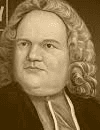
Thomas Reade preaches about the effects of the apostles' preaching, prophetic warnings of spiritual declensions, glorying in the cross of Christ, tenderness of spirit, and the view of the Law and the Gospel. He emphasizes the stark contrast between Christianity and Paganism, highlighting the love, m