
Luke's last look at Christ: Luke 22:1-38
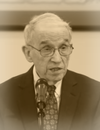
A.J. Higgins explores Luke 22:1-38 to reveal Christ's sovereign control, sacrificial love, and servant leadership as the foundation for Christian devotion and practical faith.
In this expository sermon, A.J. Higgins takes the congregation through Luke 22:1-38, offering a rich exploration of Christ's sovereign control over events, His institution of the Lord's Supper, and His teaching on servant leadership. Higgins highlights the devotional aspects of the passage, encouraging believers to deepen their commitment and emulate Christ's humility and love. Through careful examination of the text, listeners are invited to appreciate the perfection of Christ's humanity and the profound impact of faithful devotion.
Full Transcript
I'm going to ask you to turn, if you will, to the gospel of Luke and chapter number 22. Luke's gospel and chapter 22. And we will read, we'll take time, I know it's a lengthy reading, we'll take time to read the first 38 verses together this evening.
So Luke chapter 22 and the first 38 verses. Now the feast of unleavened bread drew nigh, which is called the Passover, and the chief priests and scribes sought how they might kill him, for they feared the people. Then entered Satan into Judas, surnamed Iscariot, being of the number of the twelve.
And he went his way, communing with the chief priests and captains, how he might betray him unto them. And they were glad and covenanted to give him money, and he promised and sought opportunity to betray him unto them in the absence of the multitude. Then came the day of unleavened bread, when the Passover must be killed.
And he sent Peter and John, saying, Go, prepare us the Passover that we may eat. And they said unto him, Where wilt thou that we prepare? He said unto them, Behold, when you are entered into the city, there shall a man meet you bearing a pitcher of water. Follow him into the house where he entereth in.
And you say to the good men of the house, The master saith unto thee, Where is the guest chamber, while I shall eat the Passover with my disciples? And he will show you a large upper room furnished, there make ready. And they went and found as he said unto them, and they made ready the Passover. And when the hour was come, he sat down and the twelve apostles with him.
He said unto them, With desire I have desired to eat this Passover with you before I suffer. For I say unto you, I will not any more eat thereof until it be fulfilled in the kingdom of God. And he took the cup, gave thanks, and said, Take this and divide it among yourselves.
I say unto you, I will not drink of the fruit of the vine until the kingdom of God shall come. And he took bread, and gave thanks, and break it, and came unto them, saying, This is my body, which is given for you, this do in remembrance of me. Likewise also the cup after supper, saying, This cup is the new testament or the new covenant in my blood, which is shed for you.
But behold, the hand of him that betrayeth me is with me on the table. And truly the Son of Man goeth as it was determined, but woe unto that man by whom he is betrayed. And they began to inquire among themselves which of them it was that should do this thing.
And there was also strife among them, which of them should be accounted the greatest. He said unto them, The kings of the Gentiles exercise lordship over them. They that exercise authority upon them are called benefactors, but ye shall not be so.
He that is greatest among you, let him be as the younger. He that is chief, as he that doth serve. For whether is greater he that sitteth at meat or he that serveth.
It is not he that sitteth at meat, but I am among you as he that serveth. Ye are they which have continued with me in my temptations. I appoint unto you a kingdom, as my father hath appointed unto me, that ye may eat and drink at my table in my kingdom, and sit on thrones judging the twelve tribes of Israel.
And the Lord said unto Simon, Simon, Simon, behold, Satan hath desired or demanded to have you, that he may sift you as wheat. But I have prayed for thee that thy faith fail not, and when thou art converted, strengthen thy brethren. Said unto him, Lord, I am ready to go with thee both into prison and to death.
And he said, I tell thee, Peter, the cock shall not crow this day, for thou shalt thrice deny that thou knowest me. And he said unto them, When I sent you without purse and script and shoes, lacked ye anything? And they said, Nothing. Then said he unto them, But now he that hath a purse, let him take it, and likewise his script, and he that hath no sword, let him sell his garment and buy one.
For I say unto you that this that is written must yet be accomplished in me. And he was reckoned among the transgressors. For the things concerning me have an end.
And they said, Lord, behold, here are two swords. And he said unto them, It is enough. Now, we do trust that God will add his rich blessing to the reading of very precious and yet at the same time, very familiar portions of the word of God.
Maybe just as an introduction, what I have in mind with you is to consider Luke's last look at Christ. Consider together Luke chapter 22 through Luke chapter 24. We'll divide it into five sections, but we will be considering Luke's last look at the Lord Jesus Christ.
In these chapters, we will see him as a sovereign. We will see him as a savior. We will see him as a shepherd.
We'll see him in his sympathetic ministry as a high priest. We will see him in all of these different ways and other ways as well. What we'll do is each evening maybe introduce some different themes that you can trace in the gospel of Luke as well as in what we're looking at.
And then consider the sections before us. Obviously, there is not sufficient time to go verse by verse as if we were in a Bible reading. But perhaps just picking out one or two themes from each section and considering something of the person of Christ.
Well, there will be that which is practical, yet for the most part, it will be that which is devotional. Just enjoying the Lord Jesus and all that he is. Now, if you're among that hardcore few that feel that devotional ministry really kind of lacks something and we need hard-hitting practical ministry all the time.
If you can look at Christ and not want to be like him, something desperately wrong. The more you look at Christ, someone has said there's a beauty in Christ that makes us all look very ugly. And the more you look at him, the more you would long to be like him.
So I would hope that the fruit of these meetings, if nothing else, will perhaps be some person here in the audience will have a desire to be more like the Lord Jesus as a result of looking at him for the few nights that we have before us. So just in a way of a general introduction to Luke's gospel, once you think of Luke's theme, first of all, he begins in chapter one with those things most surely believed amongst us. Luke was very, very likely a Gentile, a Grecian.
And the Greeks were very, very concerned, very, very occupied with the perfecting of human personality. The perfect man, if you will. And Luke takes up his pen and Luke pens and writes about the perfect man.
So Luke's theme is the perfecting of human personality as seen in the Lord Jesus. There is a sense in which the Lord Jesus is the only normal man that ever lived. Now, you'll not be insulted if I say that all of us have some defects.
We have either some psychological baggage from our past or we have insecurities. We have all the things that afflict us as human beings that we all try to compensate for in different ways. The Lord Jesus was perfectly balanced.
Absolutely perfect in every way, mentally, emotionally, psychologically, every way spiritually. There was a balance in the Lord Jesus Christ. And Luke is occupied with the the perfection of humanity as seen in the Lord Jesus.
Luke's technique, he tells us that he has made a thorough investigation of all the facts. He tells us he was going to set them out in order. Now, you have to understand Luke's order is not a chronological order, a timeline order.
Luke's order is what we call a moral order. He's putting things together to teach us lessons. So he takes events that did not occur necessarily in a sequence.
He brings them together to teach us lessons. He wants to create a moral truth that he wants to impress upon us. We'll see that especially when we come to the order that is given to us about the Lord's Supper and Judas being there in Luke.
Whereas we know from other sections of the Word of God that Judas had left before the emblems were instituted, before the symbols were given. But Luke is teaching us a moral lesson that we'll come to in a few moments. The actual word that Luke uses is very interesting.
He speaks about the eyewitnesses. Going back to chapter 1, he speaks about those who were eyewitnesses of the Lord Jesus. And the word he uses really is a word that we get our word, if you'll forgive me, the word autopsy from in the original language.
It's the idea of those who carefully examined and were almost like interns serving with the great physician. They were moving with him and examining everything he did. And Luke says, I've gotten my information from them and I am writing it down.
And he says, here is the trustworthiness of what I have to tell you. All that I say, the absolute certainty of the things most surely believed among us. And of course, he was his teaching.
He's writing to a man named Theophilus. And you will, of course, know from others that the word Theophilus simply means a friend of God. And this is the gospel that tells us about the friend of sinners, the friend of sinners.
And so here in the gospel of Luke, we have teaching about the Lord Jesus and individuals, the friend of sinners. And if we had time, we could look at some of Luke's touches. And Luke is the gospel of tears.
And it's the gospel of tables and the gospel of temple scenes. All of those things make up the framework of the gospel of Luke. And we'll notice a few of the tables in the chapters that we'll be looking at here from chapter 22 to 24.
We read of one tonight here in chapter 22. And we'll notice another in chapter 24. But I just want to then introduce what I have.
And if you would like outlines, I can help you so you don't have to write. If you're the kind that like to keep notes, we can provide outlines. Just let me know and I'll get them out to you.
But I want you to think, first of all, of the sovereign, the Lord Jesus as the sovereign in verses 1 to 13. Then we'll consider the supper in verses 14 to 27. Very important, the supper verses 14 to 27.
Well, in that section, we'll consider especially the symbols. A loaf of bread and a cup. And notice some truths relative to the symbols present at the supper.
Those verses tell us about strife at the table. Only Luke tells us about strife at the table. Matthew and Mark don't.
John, of course, doesn't handle any of this relative to the Lord's Supper. But Luke tells us of strife at the table. And we'll notice in passing there's one thing Luke doesn't tell us about at the table.
That Matthew and Mark do tell us. We'll notice the sequel to it all. The Lord's promise to them as to coming glory and honor.
And then we'll notice something of the Lord Jesus as the sympathetic high priest praying for Peter. And thinking about Peter's recovery. So with that before us, and as I said, we'll be going through this very, very superficially.
Time not permitting a verse-by-verse handling of it. I want you to consider, first of all, the sovereign that we see in verses 1 to 13. Now there's something that we do not have that we have to go to Matthew and Mark to fill in detail.
That tell us, that give us an insight into what occurs at the very beginning of these verses. Notice at the beginning we have Judas making his bargain with the leaders of the nation. You will notice that they sought how they might kill him, but they feared the people.
If we went to Matthew and Mark we would find that the leaders had one stipulation. Not on the feast day, lest there be an uproar among the people. Jerusalem's population swelled at the time of the Passover.
And of course the leaders feared that with the influx of people from every portion of the nation. That there would be those who would be sympathetic to the Lord Jesus. And if they tried to take him under those circumstances, there would be the danger of an uprising.
And the danger of the Romans coming in and snatching him away. And they wouldn't have the opportunity of putting him to death. So they said not on the feast day.
God had said on the feast day. So the counsel of God was in conflict with the counsels of men. Matthew and Mark tell us how that was all resolved.
Matthew and Mark tell us that Mary came with her alabaster box of ointment. And she poured it on the Lord Jesus Christ. And when she poured it on the Lord Jesus Christ.
Judas was so incensed that he does what we read of here. He goes to the leaders and promises to betray him. And notice what it says.
He sought opportunity to betray him in the absence of the multitude. So the one stipulation the leaders had. Not on the feast day.
They now had to compromise because they had an insider. Who would deliver him when the multitude was not present. Now just a simple but a tremendously delightful thing to grasp.
There was a woman who acted out of devotion for Christ. She had no idea that what she was going to do. Was going to totally frustrate the counsels of the ungodly.
And fulfill the word of God. All she did was act out of devotion to Christ. And the lesson is patent.
It begs to be emphasized. That when you do something out of devotion to Christ. It will accomplish far more.
Than you ever envisioned it accomplishing. Anything done for Christ. Will have far greater consequences.
Than those you intend. All Mary intended to do was honor Christ. To pour that ointment on him in light of his burial.
But it had far greater implications. Far greater ramifications in the end. As a result of her devotion.
So that if I could just encourage us. Little deeds done for Christ. Will come and land on eternity shores.
With far greater consequence and value. Than you could ever imagine. You remember don't you back in the Old Testament.
There's a little Hebrew maid. And she tells Naaman's wife. Would God my Lord be with the prophet that is in Samaria.
He would cure him of his leprosy. So a little maid. Telling what she knows.
Because of her love for the God of Israel. And Naaman is not only cured. But Naaman is converted.
You may say well. That's not bad. It doesn't stop there.
How many people have gotten saved. Reading the story of Naaman. The leper.
See one act of devotion. One act of devotion has led to far. Far greater consequences.
And that little maid ever envisioned. So we are reminded here. In the initial verses.
But what I really come to is. The Lord Jesus as the sovereign. When it comes to the place.
He knew the place. He knew the man carrying a pitcher of water. He knew the good men of the house.
He knew times, places, intersecting of individuals. As the sovereign. He knew everything that was going to occur.
And he knew something else as well. Now you would have to take. My word for it on face value for now.
The Lord Jesus Christ told them to ask the man. Where is the guest chamber. Where I can keep the Passover with my disciples.
Now if you were to get your Vines dictionary. Or your Bible computer program. You would find that word for guest chamber.
Occurs earlier in the gospel of Luke. It occurs back in chapter 2. There was no room in the inn. For them.
The guest chamber was really. The word literally means a loosing down. It was the first floor.
Where men on their travels came. And unburdened their animals. Unburdened their sacks.
That's not what the good men gave the Lord Jesus. The Lord Jesus said. Where is the first floor.
I'm just putting it in our own vernacular. Where is the first floor. That I can keep the Passover with my disciples.
The good men of the house gave him. The upper room. That was the best room.
He didn't just give him the least. He gave him the best. The Lord Jesus had enough confidence in this man to know.
He says you're going to ask for the guest chamber. You're going to ask for the place where. All the travelers come to kind of relax.
Unburden themselves. Get their animals unhooked. And just kind of.
He's not going to give you that place. When you ask him for the guest chamber. He is going to give you the best room in the house.
He's going to show you a large upper room furnished. There make ready. The Lord Jesus knew that this man.
He had enough confidence in him to know. He'll give you the best. Now I have to ask myself.
Does the Lord Jesus have enough confidence in me. To know that I will give him my best. And I will give him the best of my life.
The best of my time. The best of my intellect. Or will he have to suffer.
Will he have to be satisfied with just the. The guest chamber. What is the measure.
Of my commitment. To the Lord Jesus. Will he get everything from me.
Or does he have to be satisfied with merely. Just getting by. Just doing what he asks.
Or will I always go a little beyond. And try to do a little bit more. The measure of my.
Commitment to the Lord Jesus. Back in 1964. In.
Asia. A number of countries joined together to form one nation. It was the country of Malaya.
And it was the country of Singapore. And it was the country of. A part of Borneo called Sarawak.
And they joined together to form a new nation called Malaysia. Indonesia was very unhappy with that. And declared war.
Malaya. As well as Singapore had been British protectorate. So the British became involved in the conflict.
You may or may not remember that in the British. Military. There is an elite group of men who are Indian.
Called the Gurkhas. They are known for their heroism. And their courage.
They were soldiers that were handpicked. When Britain. Had India as part of its Commonwealth.
And they still maintain that link. With Great Britain. They were the Gurkhas.
Known for their heroism. The British asked the Gurkha commander. Would your men be willing to.
To jump from planes. Behind the enemy line. If we need to.
And to be able to. Help us in the attack on. On the Indonesians.
The Gurkha commander said let me talk to my men. And he came back with two qualifications. He said number one.
He said we want to be dropped. In a place where there's not a lot of rocks. Where there's not a lot of trees.
A place where it's fairly safe to be dropped. And he said please. We'd like also the planes to go as slow as possible.
And no higher than a hundred feet. Just a hundred feet off the ground. The commander said we can take care of the ground.
We can make sure it's a place that's fairly safe for dropping. But a hundred feet he said. He said there won't even be time for your parachutes to open.
He says oh you're going to give us parachutes. Well then it won't matter. If you give us parachutes then that's fine.
Whatever height you want. That's commitment. That's commitment.
Just being willing to. Lay everything out on the line for another. This man.
The good man of the house. He was a man marked by commitment. What is my commitment to the Lord Jesus? Does he just get the bare necessity of my life? Just making me feel like I'm getting by.
I'm doing. I'm at the meeting once or twice a week. And I'm doing what I'm.
Or am I really totally committed. And willing to give him the very very best of my life. I mean we could talk certainly about the upper room.
Furnished and prepared. All the lovely thoughts linked with that. Above street level.
Above the common. Above the ordinary. But I just want to leave this with you.
Here was one who knew everything. He knew the time, the place, the man. He knew what the man would give.
He knew he would give him the best. He is the sovereign who knows all. And we can leave our lives in his care.
He knows we'll be coming into our lives. He knows what will occur in our lives. He is in absolute control of all.
And we see him here as the sovereign. Let me talk here for a few minutes about the supper. You notice number one that it focuses us on Christ.
Remembrance of me. Remembrance of me. The focus is on Christ.
But of course here it finds out as well. Hypocrisy in the heart of a Judas. And it forbids rivalry as we see.
And it's going to fortify them for trial. All those things are in view here. But I want you to think with me of the symbols together.
Maybe I should just stop there and mention. The reason that we are seeing a moral order here. As though Judas is there still.
We're being reminded that the supper is going to reveal reality. It is going to reveal the hypocrisy in the heart of a Judas. So Luke is giving us a moral order.
Teaching us that hypocrisy cannot really be present at the supper. As well as strife and all the other things that occur. But I want you to think of the symbols together.
Because I think they are valuable lessons to be learned. Have you ever asked yourself. Why two symbols? Wouldn't it have been enough.
If it's just to remind us of his death. Wouldn't the cup have been enough? Or the bread. This is my body which is given.
That would be enough. Or the cup. This cup is the new covenant in my blood.
Wouldn't that have been enough? Why bread and a cup? Why two things? Well, just on the surface. When body and blood are separated. Of course, that's death.
You separate blood from a body. That's death. But there's far more involved than that.
When you think of the bread. You think of a substitute. His body.
An actual substitute for me. When you think about the cup. It's his blood shed for me.
When you think about a body. In a body you suffer. Blood you die.
So the Lord Jesus Christ both suffered for sins. And died for sins. But not only that.
The Lord Jesus Christ died. For my sins. That's the cup.
But he also died for what I am as a sinner. That's the bread. He took my place.
All that I am. God has done with it Calvary. So my sin.
And my sins. My sinnership. My place as a sinner.
The bread speaks of him dying for that. And the cup speaks of him dying for my sins. All that I am.
All that I have done. He didn't just die for what we have done. He died for all that we are.
My link with Adam was severed at Calvary. God has done with me as a person in Adam. I am now in Christ.
And we have that tremendous truth. But there is even more there. Now I've got to dip into 1 Corinthians chapter 10.
But you know this section so well. It will be very easy to mention it. There are two truths that I express.
When I take from the bread. There are two truths I express. When I drink from the cup.
When I take from the bread. 1 Corinthians 10 says. Is it not our fellowship.
With the body of Christ. I am owning the value. Of that body given at Calvary.
To the Jew of the day. To the Roman of the day. It was an absolute waste.
For a man to die upon a cross. It was a disgrace. It was absolutely the epitome.
Of worthlessness. When I take from that bread. I am saying.
That body given has infinite worth. For me. But 1 Corinthians 10 tells us something else.
It tells us that we being. One body. As we partake of that loaf.
Of bread. We are expressing fellowship. With everyone else.
Who is partaking of that loaf of bread. So that as the bread. Is passed around the circle.
As each one takes from it. 1 Corinthians 10 says. That.
We are expressing our fellowship together. That we are all united. As we partake of that bread.
The cup speaks of two things. Matthew and Mark tell us. I think especially Matthew tells us.
That as we take the cup. The Lord Jesus Christ said. This is.
This cup is the new covenant of my blood. Which is shed for the remission of sins. So that as I take from the cup.
I'm thinking about what God has taken away. Taken away my sins. But it's also the cup of the new covenant.
I'm thinking about what God has brought in. So. Something taken away.
Something brought in. As I take the cup. 1 Corinthians 10 speaks of it as.
A cup of blessings. I am confessing. Or I am owning.
Or I am admitting. That every blessing I could ever have. As a Christian.
Is because of what this cup signifies. What it is symbolic of. That it is symbolic of the blood of Christ.
So. It tells me what God has taken away. And what God has brought in.
New blessings. A new covenant. A new testament.
And always remember that. Whatever God brings in. Is always greater than what he takes away.
He has brought in something. Far greater. We would think that taking away of sins.
But all the blessings. That we have as believers. Everything that we will enjoy.
Sadly we sometimes. Work on the merit system. We think that if we do certain things.
If we give out so many tracts. If we attend so many meetings. If we read so many chapters.
If we pray so many minutes a day. That we are going to get certain blessings. I know that there is a sense in which.
God blesses faithfulness. But as far as our spiritual blessings. God could give us nothing more than he gave us.
The night you got saved. You got a package deal. That is going to take all eternity.
To unpack. God gave us everything. When he gave us Christ.
And as we take that cup. On a Lord's day morning. We are confessing.
Every blessing I have. Is not on the basis of merit. It is on the basis of mercy.
What Christ has done. So the symbols then. Are very significant.
Luke's gospel as well. Makes it very personal. Matthew and Mark do not say.
For many for you. For many for the remission of sins. But Luke says.
It is for you. So Luke makes it very personal. Luke also.
Makes it purposeful. It is Luke who tells us. This do in remembrance of me.
Here is the purpose of it. I want you to remember me. By these particular.
Symbols that I am giving you. To commemorate. It reveals to us.
The price. His body and his blood. And as we meet.
On a Lord's day morning. We gather to remember him. And partake of the symbols.
We are expressing. Our fellowship. With his work at Calvary.
Our fellowship with one another. As we partake of it. And owning afresh.
The basis for all. The mercy that we have received. As a result of precious blood.
Shed upon the cross. For us. The supper and the symbols.
But we read as well. About strife. The strife at the table.
Now. We don't have time to. Go back through the gospel.
But if you compare. The gospel records. Every time.
The Lord Jesus Christ. Spoke to his disciples. About his coming suffering.
They were either arguing about. Who would be the greatest. Or thinking about coming glory.
Have you ever thought about. How lonely a path. The Lord Jesus Christ.
Trod here upon earth. Every time he unburdened. His heart to disciples.
The son of man is going up. To Jerusalem. To be delivered into the hands of Gentiles.
They'll mock him. They'll spit upon him. They'll scourge him.
They'll deliver him to the Gentiles. And they'll be crucified. James and John come.
We'd like to be one in your right hand. One in your left hand. Time and again.
They're occupied with themselves. And never a word of comfort. Or sympathy or understanding.
Here again. He's giving symbols of his. Of his death.
And their strife. Who's going to be the greatest. The Lord Jesus.
Points out their. Luke points out. What was normal for these disciples.
To be thinking of themselves. The Lord Jesus points out. What was natural in the society.
In which they lived. That those who were. Were great.
Wanted to be served and be on top. And keep others down. And then he points to.
What is going to be totally new. Behavior modeled by Christ. Now I mentioned that Matthew and Mark.
Mention something that Luke doesn't mention. And that Luke mentions something. That Matthew and Mark don't mention.
In Matthew and Mark. In the upper room. It tells us.
When they had sung a psalm. They went out. To the Mount of Olives.
So Matthew and Mark there's a song. That is sung but no strife. In Luke.
There's no song being sung. But their strife. So I learn a very profound.
And vital lesson. That when strife. Comes into an assembly.
The song goes out. When there's strife. It's hard to sing with your heart.
Strife. Is deadly. To an assembly.
Not only do we lose our song. But maybe even more tragically. We lose the scriptures.
Because when strife comes in. What happens. Whenever anyone gets up to minister.
Instead of enjoying the truth. That is being exposited. Or profiting from the.
Practical ministry that is being given. Everyone gets tuned in. Whose side is he on? Who's he getting at? Who's he hitting at? And instead of the scriptures speaking to us.
We begin to view the scriptures. As being a contest. Who can make the most points.
With the scriptures they're reading. And it loses all of it's value to us. So the scriptures become.
Neutralized. We lose our song. All because we allow strife.
And. The source of strife. Is usually what we see here.
Who's going to be greatest. Now I don't know anything about. The assemblies represented here.
We can dress up. We can dress up. Our personal agendas.
With spiritual veneer. We can give it a nice. Spiritual turn.
And give it some spiritual reason. But tragically. Many times behind it all.
Maybe even sometimes. Not even consciously. There is a desire.
As these disciples expressed. For prominence. To be recognized.
Who will be the greatest. You recall again. We have to jump over.
To the gospel of John here. That subsequent to this. Likely right after this.
The Lord Jesus Christ. Rose and washed their feet. Now there are four things that are said.
At the beginning of John chapter 13. It says first of all. The Lord Jesus Christ was conscious.
Of coming glory. He knew the father had given all things. Into his hand.
That he went from God. That he came from God and went to God. He was conscious of coming glory.
And greatness. He was also conscious. Of the callousness of the disciples.
Supper being ended. No one else rose. None of the other disciples moved.
To minister and to wash each others feet. They all sat back wondering. Who is going to take the servants place.
Finally the Lord Jesus Christ. Rose laid aside his garments. Took a towel girded himself.
Took a basin. So he was conscious of coming glory. There was the callousness of the disciples.
There was his coming sorrow. Knowing that his hour was come. The cross before him.
The burden of all that. Weighing him down. And then of course there was the cruelty of a Judas.
So I learned from that. I cannot take refuge in the idea. I've got lots of burdens.
So I can't. Can't minister to others. Can't serve other believers.
I've got lots of. Burdens that are overwhelming me. And I can't be bothered with others.
The Lord Jesus Christ knowing. The cross lay before him. Within only a few hours.
He served others. We'll see that in a moment. The callousness of others.
I mean how proud could they be. They wouldn't stoop to wash his feet. I know we criticize Peter.
Peter says Lord you can't wash my feet. At least Peter realized. I mean there are other disciples that sat there.
And allowed the Lord to wash their feet. At least Peter says this is not right. At least give Peter high marks.
That he realized there's something. Something tragically wrong here. That you're washing my feet.
The rest just allowed him to wash their feet. So I cannot say. Other believers don't deserve it.
I mean look at how proud they are. Look at. No.
All that we've looked at in John 13. Totally excludes any excuse I can have. For not taking the place.
The Lord Jesus Christ mentions here. Of serving one another. There's a fine line.
Between manipulating others. And ministering to others. A lot of what we do.
Is manipulating other people. We do something. And then we expect something back.
We serve. And if we're not served in return. We feel somehow that we have been offended.
The Lord Jesus served. And never demanded anything in return. Ministering to others.
Should be unidirectional. One way. And I should always remember.
That I'm serving the Lord. I'm not serving the Christians. I'm not being critical of.
If you begin thinking. You're serving the Christians. You're going to get very disappointed.
You've got to remember. That you're serving the Lord. That's Romans chapter 12.
Not slothful in business. Fervent in spirit. Serving the Lord.
Yes. Be active. Be diligent in what you're doing for the Lord's people.
Be boiling over. Be as zealous as you can. But always remember.
You're not a bond slave to men. You're a bond slave to Christ. You're serving Him.
He is directing your service to other believers. But your service is primarily to Him. And He will direct it.
And He will recognize it. He will recompense it. He will acknowledge it.
So we are reminded here of the strife. That came as a result of. Wanting to be number one.
And wanting to be prominent. And wanting to be recognized. I want you to think of the sequel.
If we can. You'll notice in verses 31 to 34. I'm sorry.
Verse 28 and 29. The Lord Jesus Christ. Amazingly.
Appreciated their loyalty. I mean. Would you have said to these.
Eleven disciples. You are those who have continued with me in my trials. We would have said.
You boys have fallen on your faces. Far more. Than you succeeded.
That's not how the Lord dealt with them. The Lord appreciated. Their loyalty.
Someone has said that. God is easy to please. But difficult to satisfy.
Now. The best way I can explain that is. To think about.
You who are parents. When your child began. Walking.
At about a year of age or thereabouts. You were thrilled. You were pleased.
But you're not satisfied. That's not your goal for your child. You're delighted.
They've taken that step. But you've got greater things in mind. God is pleased with baby steps.
The Lord Jesus. Appreciated every. Measure of loyalty.
That these men expressed. Even though they failed so often. He appreciated.
Loyalty. He's going to appoint them a kingdom. And he is going to.
Have them anticipate. Their place of honor in the kingdom. He wants them to live in light.
Of what he has. In store for them in eternity. It's not a matter now of.
You know. You boys have to learn. How to get along.
And you've got to learn how to put up with each other. And you've got to just settle your differences. No, no, no.
He says look all of you. You're looking for greatness here on earth. You're looking for prominence here on earth.
He says I want to tell you. That all of you. On the basis of absolute grace.
Are going to have a place of honor. Eternally. You don't have to worry about it here on earth.
I've got something greater in store for you. I've got a kingdom. And I've got a place of honor for you.
I know that what we're looking at here is unique for these. Apostles sitting on thrones. Judging the 12 tribes of Israel.
We know all of that is unique. But he still would occupy us. With the future.
And have our eyes on another land. Another kingdom. And have us.
Live in light of that. Back in 1952. You.
Most of you here. Only a few here are my age or older. Some of you may remember the name of Florence Chadwick.
Florence Chadwick was the. Kind of the Michael Spitz of her day. She was able.
The first woman to swim the English Channel both ways. And in 1952 she. Determined to.
Swim from Catalina Island. Which is off the coast of California. Swim from Catalina Island.
All the way back to the coastline of California. It was a foggy. Cold dreary day.
When she. Went into the water in Catalina off Catalina Island. And began her.
Attempt to swim to shore. In the boat behind her following her. Was her mother and others.
And after a while she began pleading. Please take me out of the water. I can't do it anymore.
And they kept encouraging her and urging her on. And finally she said. I just can't go any further.
The fog. The mist. The cold.
And they pulled her out. When they pulled her out. She realized she was only one half mile from shore.
And at her press conference the next day. She said. If I. If I could have seen the shore.
I think I would have made it. If I could have seen the shore. I think I would have made it.
The Lord Jesus. Wants us to keep our eye on the shore. Not.
On here. But on there. Keep our eye on the shore.
Will enable us to make it. Let me come then. Just if I can to.
His dealings with Peter. The sympathetic high priest. The sifting which lay ahead.
Satan hath demanded to have you. That he may sift you as wheat. Now.
If you have a Newberry Bible or other versions. You know that. Satan hath demanded to have you all.
Not just Peter. Have you all that he might sift you as wheat. So a sifting was coming.
And of course it was wheat. Not chaff. They were wheat and they were going to be sifted.
To show their reality. Satan hath demanded to have you. Remember the Lord Jesus later on.
We'll come to it in the very next meeting. This is your hour and the power of darkness. I'll mention it next.
Tomorrow evening. But. Think about what that means.
This is your hour and the power of darkness. There was an hour in this world. When God took.
All the restraints off of Satan. Remember that when Satan. Didn't try to tempt Job.
God said thus far. Here's all you can do. You can't go beyond this.
Here's the limit. This hour there was no limit. Satan was going to.
Seek to destroy this little band. As well as destroy Christ. Satan hath demanded to have you.
That he might sift you as wheat. But I have prayed for thee. Not this or a Bible reading.
I would ask you. How many times did the Lord Jesus Christ pray. The last night.
He was here on earth. Now you count it up. I think you'll find seven times.
He prays. Prayed seven times. The last night.
He's here on earth. Three times in the garden that we'll come to. Another evening.
He prays for Peter. He gave thanks for the bread. He gave thanks for the cup.
Maybe I should have mentioned it. It's not good to go back. But let me just mention this.
When we give thanks for the bread and give thanks for the cup. What are we doing? We're thanking God for his body. Given for us.
For his blood shed for us. What was he doing when he gave thanks. For the bread.
And for the cup. He was thanking God he could give his body. He was thanking God he could shed his blood.
Gave thanks for the bread. Gave thanks for the cup. Prayed for Peter.
Prayed that prayer of John 17 in the upper room. Prayed three times in the garden. Despite all that lay ahead of him.
Despite all the suffering he would know. He prayed for Peter. I have prayed for thee.
That tells me that there is nothing. That can possibly distract the Lord Jesus. From his care for you.
And his care for me. The cross did not distract him from. Caring for Peter.
Knowing all that Peter would go through. So whether it's loneliness. Whether it's heartbreak.
Whether it's shattered dreams. Whether it's intense trial. Or difficulties at work.
In the family. In the community. Whatever it is.
He's never too busy. He's never too preoccupied. He's never distracted.
And while I cannot explain to you. How it can be. Other than his deity.
Explaining it all. How he can be intensely interested. In every single believer.
At every single moment. You don't have to take a number. You don't have to queue up in line.
And wait your turn. There's a personal interest. He has in every believer.
How lovely to see. Someone like us. We get so preoccupied.
We get so distracted. We are so selfish. He's absolutely selfless.
In his ways with his own. He reminds Peter here. When thou art converted.
When you're turned about. Strengthen your brethren. He knew that Peter would fail.
And. That really opens up a whole. Line of truth.
What do we do with failure? Or you say I've never failed. God bless you. What do you do with failure? You have a choice.
You can live with it. Or you can learn from it. And the Lord Jesus Christ.
Tells Peter I want you to learn. From your failure. And so.
Peter thinks it's a very. Strange thing. In fact he says to the Lord Jesus.
On one occasion. When the Lord Jesus Christ speaks of his suffering. He says this be far from you Lord.
This is strange. This is totally alien to you altogether. But when he comes to his epistle.
First Peter chapter 4. Think it not strange. Concerning the fiery trial. Which is about to overtake you.
He learned. He learned from his mistakes. And he used it to be a help to others.
You will make mistakes. If you haven't already in your Christian life. Like Peter there will be times.
When you feel like crawling into a cave. And just giving up. Just putting the Bible on the shelf.
Closing the blinds and the door. Locking the door and just saying that's it. I quit.
I'm a failure. I can do nothing. That's one way to respond.
I'm not suggesting pride or. You know you see all of these celebrities. That go into drug rehab.
And they come out. And they go on a speaking tour. About their success in drug rehab.
And six months later. They're back in drug rehab again. And out again.
It's almost like they parade their failure. No. It's not a matter of us parading our failures.
But it is learning from them. And being a help to other believers. As a result of that.
The steadfast love of the Lord Jesus Christ. Is seen. The cock shall not crow.
But you'll deny me thrice. But that didn't stop his love for Peter. Remember that amidst all of your failures.
Christ could not love you anymore. At that moment of failure. Than he does at your best spiritual moment.
His love never varies. The pleasure we give him varies. Yes.
The amount in which we please him. Will vary day to day. But he cannot love us anymore.
Than he loves us. Regardless of our spiritual condition. His love is unwavering.
Unconditional. Unwavering. Faithful and true.
And I want you to notice how selfless he is. I say unto you that this is written. Must yet be accomplished in me.
He was reckoned among transgressors. Why did the Lord Jesus Christ. Quote that scripture.
Was it to gain sympathy. I think if you read the context. He said that.
To prepare them. Not to gain sympathy. Elsewhere.
Matthew and Mark when they're quoting it. They say I will smite the shepherd. And the sheep shall be scattered.
He's telling them. What's going to happen to them. As a result of him being smitten.
Not thinking of himself. We cannot. We cannot imagine.
What it must be like. To never have a selfish thought. To never have.
A self-centered thought. And yet. That's how Christ thought.
Never a selfish thought. Never something. All about himself.
Never saying something. They get people to feel sorry for him. He's thinking about them.
He's constantly thinking. About his own. And he tells them here.
He was reckoned among transgressors. He's preparing them for. What they will face.
In the book of the acts and from there on. Relative to persecution. And relative to opposition.
In the world. The sovereign Christ. The sympathetic Christ.
He's all that and much more. And as we look at him. We have to confess.
How much we would like to be like him. How unlike him we are. How much we would long to be like him.
And to be more faithful. So we have seen something of the assurance. That comes from his sovereignty.
Absolutely confident he's in control of all. The assurance from his sovereignty. Hopefully an appreciation of the symbols.
That we use on the Lord's day morning. Something as well of the. Anticipation of the future.
To which he would direct us. And finally an awareness. Of his care.
Moment by moment. Day by day. In our lives here for him.
Shall we pray.
Sermon Outline
-
I. The Sovereign Christ (Luke 22:1-13)
- Judas' betrayal planned amidst political fear
- Christ's foreknowledge and control over the Passover place
- The significance of the upper room as the best place prepared
-
II. The Lord's Supper and Its Meaning (Luke 22:14-27)
- Christ's desire to eat the Passover before suffering
- Symbols of bread and cup as body and new covenant
- Strife among disciples and teaching on servant leadership
-
III. Christ's Prayer and Peter's Restoration (Luke 22:31-38)
- Satan's desire to sift Peter and Christ's intercession
- Peter's denial foretold and call to strengthen brethren
- Preparation for coming trials and the call to readiness
-
IV. Devotion and Its Eternal Impact
- Mary's act of devotion fulfilling God's plan
- The power of small acts done for Christ
- Encouragement to give Christ our best in commitment
Key Quotes
“With desire I have desired to eat this Passover with you before I suffer.” — A.J. Higgins
“The kings of the Gentiles exercise lordship over them... but ye shall not be so.” — A.J. Higgins
“Little deeds done for Christ will come and land on eternity shores with far greater consequence and value than you could ever imagine.” — A.J. Higgins
Application Points
- Commit to giving Christ your best in all areas of life, not just the minimum.
- Embrace servant leadership by humbly serving others as Christ did.
- Trust in Christ's intercession and be encouraged to restore and strengthen fellow believers.