
Trinity theology is a foundational doctrine of the Christian faith, revealing the nature of God as one being in three distinct persons: the Father, the Son, and the Holy Spirit. This profound mystery is articulated throughout Scripture, beginning with the creation narrative in Genesis 1:26, where God says, "Let us make man in our image," indicating a plurality within the divine essence. Jesus, affirming His divinity, states in John 10:30, "I and the Father are one," illustrating the unity of purpose and essence between the Father and the Son. The role of the Holy Spirit is equally significant, as seen in John 14:26, where Jesus promises that the Spirit will teach and remind us of all that He has said, emphasizing the ongoing presence of God in our lives. Furthermore, the Great Commission in Matthew 28:19 commands believers to baptize in the name of the Father, the Son, and the Holy Spirit, underscoring the importance of all three persons in the life of the Church. As believers reflect on the Trinity, they are invited into a deeper relationship with God, understanding that each person of the Godhead plays a vital role in salvation and sanctification, as articulated in Romans 8:9-11.
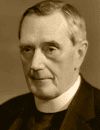
W.R. Inge preaches about Eckhart's teachings on the Godhead, emphasizing the unity and diversity within the Trinity, the eternal nature of God's creation, and the process of detachment from worldly desires to be united with God. Eckhart's focus on love as the principle of all virtues, the importance