
The biblical concept of the priesthood is deeply rooted in the Old Testament, where it refers to the order of men set apart by God to serve as mediators between Him and the people, as seen in Exodus 19:6, where the Israelites are called a "kingdom of priests." In the New Testament, the priesthood takes on a new form, with Jesus Christ serving as the ultimate High Priest, as described in Hebrews 4:14-15, who offers a perfect sacrifice for the sins of humanity. Through faith in Christ, all believers become part of a royal priesthood, as stated in 1 Peter 2:9, enabling them to approach God directly and serve as representatives of His kingdom on earth. This understanding of the priesthood underscores the Christian faith's emphasis on direct access to God through Jesus Christ, eliminating the need for human intermediaries.

Chuck Smith emphasizes the significance of the priestly blessing from Numbers 6:23, explaining that the Lord's name represents His character and attributes. He elaborates on how the priest's duty is to invoke God's blessings, which include protection, grace, and peace for the people of Israel. Smith

Gary Wilkerson delivers a powerful sermon on the 'Fourteen Blessings' found in Psalm 23, emphasizing the intimate relationship between the believer and the Lord as their shepherd. He highlights the blessings of guidance, restoration, and comfort that God provides, even in the midst of life's valleys

Shane Idleman emphasizes that God's blessings often come with conditions, urging the congregation to recognize the importance of obedience in their relationship with God. He highlights that while God's promises are gracious, they require a response from His people, particularly in the context of sal

C.H. Spurgeon emphasizes the importance of fulfilling our obligations to God, particularly through tithing, as a condition for receiving His blessings. He points out that many Christians experience lack because they fail to support God's work, leading to spiritual poverty in both individuals and chu
C.H. Spurgeon emphasizes that God's treasury is accessible to all believers, not just great prophets, as promised in Deuteronomy 28:12. He illustrates that the rain symbolizes the divine blessings and refreshment God is ready to bestow upon His people. Spurgeon encourages the faithful to seek and cl
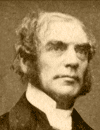
Octavius Winslow emphasizes the importance of bringing all tithes into God's storehouse, as commanded in Malachi 3:10, highlighting that God desires our full commitment and faithfulness in giving. He encourages believers to test God's promises, assuring them that when they do their part, God will ab

D.L. Moody emphasizes the profound sweetness of God's words in Numbers 6:24-26, which bless the people with peace and grace. He draws parallels to Jesus' promise of peace in John 14:27, highlighting that this peace is a legacy given to all believers, unbreakable by any force. Moody reassures that tr

Andrew Murray emphasizes that God desires to bless us beyond our expectations, but this requires our complete surrender to Him. He illustrates that just as nature is fully surrendered to God's will, so too must we be if we wish to receive His blessings. Murray argues that God, being the source of al
Chuck Smith emphasizes the significance of Jabez's prayer in I Chronicles 4:9, highlighting how Jabez, despite his sorrowful name, became notable for his deep prayer life. He made four key requests to God: for blessings, for an enlarged territory, for God's hand to be with him, and for protection fr

A.B. Simpson emphasizes the characteristics of a righteous man as outlined in Isaiah 33:14-17, highlighting that true righteousness involves walking uprightly, speaking truthfully, rejecting corruption, and avoiding evil. He illustrates how the presence of God, depicted as a consuming fire, brings b