
The sacrificial system, as outlined in the Old Testament, serves as a profound illustration of God's holiness and the need for atonement. From the early accounts in Genesis, where Abel's offering was accepted (Genesis 4:4), to the detailed instructions given in Leviticus regarding various offerings, the sacrificial system reveals the seriousness of sin and the necessity of sacrifice for reconciliation with God. Leviticus 17:11 emphasizes that 'the life of the flesh is in the blood,' highlighting the significance of blood sacrifices in the atonement process. Each offering, whether a burnt offering, grain offering, or sin offering, pointed to the ultimate sacrifice that would come through Jesus Christ, as articulated in Hebrews 10:4, which states that 'it is impossible for the blood of bulls and goats to take away sins.' Jesus, the Lamb of God, fulfills this sacrificial system, as John 1:29 declares. His sacrifice on the cross not only fulfills the requirements of the law but also establishes a new covenant, as noted in Matthew 26:28, where He speaks of His blood being poured out for many for the forgiveness of sins. Understanding the sacrificial system deepens our appreciation for Christ's atonement and the grace extended to humanity.

This sermon delves into the book of Leviticus, highlighting its significance as a manual for the priests in the tent of worship. It emphasizes the sacrificial system as a foreshadowing of Jesus Christ's ultimate sacrifice, the importance of obedience for blessings, and the unique laws that set God's
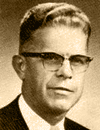
Walter Beuttler preaches on the institution of sacrifice, highlighting how the first sacrifice by God provided a covering for sin and restored fellowship between God and man. The principle of sacrifice is rooted in the shedding of blood for atonement, pointing to the need for a life to be given for