
Sacrament theology delves into the sacred rites instituted by Christ, serving as vital means of grace within the life of the Church. The Bible presents two primary sacraments: baptism and the Lord's Supper, each rich with theological significance. In Matthew 28:19, Jesus commands His disciples to baptize, marking it as an essential initiation into the Christian faith, symbolizing the believer's identification with Christ's death and resurrection, as articulated in Romans 6:4. This act of obedience not only signifies personal faith but also the communal aspect of belonging to the body of Christ. Similarly, the Lord's Supper, as described in 1 Corinthians 11:23-26, serves as a remembrance of Christ's sacrificial death, inviting believers to partake in a profound communion with Him and with one another. This sacrament embodies the new covenant, fulfilling the promise of God’s grace and forgiveness, as seen in Hebrews 10:16-17. Through these sacred practices, believers are reminded of their identity in Christ and are called to live out their faith actively, echoing the call in Ephesians 4:1 to walk in a manner worthy of their calling. Thus, sacrament theology is not merely about rituals but encompasses the transformative power of God's grace in the life of the believer.
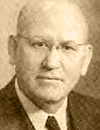
James Blaine Chapman addresses various questions related to the sacrament of the Lord's Supper, emphasizing the importance of understanding the meaning of the sacrament before partaking in it, the consequences of irreverence and carelessness in celebrating it, and debunking the Roman Catholic theory