
Prayer is a vital aspect of the Christian faith, serving as a means of communication with God and a vehicle for expressing mercy towards others. In James 5:16, we are reminded that "the prayer of a righteous person is powerful and effective," highlighting the transformative power of intercessory prayer. This is particularly poignant when we consider the plight of those suffering around the world, such as the Church in Syria, where believers face persecution and hardship. As we engage in prayer for them, we embody the command of Jesus in Matthew 5:44, where He instructs us to "love your enemies and pray for those who persecute you." Through prayer, we not only seek God's mercy for ourselves but also extend that mercy to others, reflecting the heart of God as seen in Ephesians 2:4-5, where it states that "because of His great love for us, God, who is rich in mercy, made us alive with Christ." Furthermore, the act of praying for others reinforces our unity in the body of Christ, as articulated in 1 Thessalonians 5:16-18, which encourages us to rejoice, pray continually, and give thanks in all circumstances. In every prayer, we align ourselves with God's will, seeking to be instruments of His mercy in a world that desperately needs it.
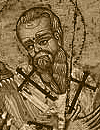
Ignatius of Antioch reflects on the Church in Syria, entrusting it to the Lord as its shepherd, who declares Himself as the good Shepherd. He humbly acknowledges his unworthiness but expresses gratitude for the mercy he has received to serve God. Ignatius sends his greetings to the Churches that hav

John Henry Jowett preaches about Jacob's encounter with God in an unlikely place, highlighting how God is present everywhere, even in the darkest moments of our lives when we may try to forget Him. Jacob's realization that 'Surely the Lord is in this place, and I knew it not' serves as a reminder th