
The Methodist Revival represents a significant movement within Christianity, characterized by a passionate pursuit of holiness and a commitment to evangelism. Rooted in the teachings of John Wesley, this revival emphasized the transformative power of grace, aligning with biblical truths such as found in Ephesians 2:8-9, which reminds us that we are saved by grace through faith. The revival's fervor echoes the call to repentance and renewal seen in 2 Chronicles 7:14, where God invites His people to humble themselves and seek His face. Methodism's focus on personal and social holiness is reflected in Matthew 5:16, where Jesus instructs His followers to let their light shine before others, thereby glorifying God through their good works. The movement sought to address the spiritual and physical needs of society, embodying the love of Christ as described in 1 John 3:18, which urges believers to love not just in word or talk, but in deed and truth. As the revival spread, particularly in urban centers like New York City in 1766, it served as a catalyst for spiritual awakening, encouraging believers to live out their faith actively and share the gospel, fulfilling the Great Commission found in Matthew 28:19-20. Through its emphasis on heartfelt devotion and community engagement, the Methodist Revival continues to inspire Christians to pursue a deeper relationship with God and a commitment to serve others.
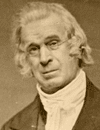
Nathan Bangs preaches about the humble beginnings of Methodism in New York in 1766, highlighting how the movement started without human foresight or elaborate plans, yet played a significant role in shaping the nation's history. The early Methodist society, led by Philip Embury, faced challenges but