
Methodist doctrine, rooted in the teachings of John Wesley, emphasizes the transformative power of grace and the pursuit of holiness. Central to this doctrine is the belief in Christian perfection, as articulated in 1 Thessalonians 4:3, which calls believers to sanctification. Wesley's understanding of grace is deeply biblical, echoing Ephesians 2:8-9, where it is revealed that salvation is a gift from God, not a result of our works. The Methodist tradition also highlights the importance of community and accountability in the faith journey, reflecting the teachings of Hebrews 10:24-25, which encourages believers to spur one another on toward love and good deeds. Furthermore, the organization of the Methodist Episcopal Church, as detailed in historical sermons, illustrates the commitment to spreading the Gospel and nurturing faith communities, aligning with the Great Commission found in Matthew 28:19-20. The historical context of Methodist doctrine, particularly during pivotal moments such as the General Conferences, showcases the church's dedication to adapting and responding to the needs of its members while remaining anchored in Scripture. Ultimately, the heart of Methodist doctrine is a call to live out one's faith actively, embodying the love and grace of Christ in every aspect of life, as taught in John 13:34-35.

Daniel Steele emphasizes the importance of perfection in Methodism, pointing out the discrepancy between the Methodist doctrine of perfection and the silence of the Articles of Religion on this crucial matter. He criticizes the argument from the silence of the Articles, highlighting that they do not
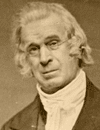
Nathan Bangs preaches about the historical significance of Methodism in the country, detailing the transition of Methodist societies into an independent church. John Wesley's initial resistance to the establishment of a separate church was overcome by the changing political landscape in America, lea
Nathan Bangs preaches about the controversies and challenges faced by the Methodist Episcopal Church in 1828, including the radical controversy, the formation of the Oneida conference, advancements in education, missionary work, and the establishment of the Publishing Fund. The Church faced oppositi