
In the biblical context, indebtedness refers to the state of being obligated or beholden to someone or something, often implying a sense of spiritual or moral obligation. The Bible teaches that believers are indebted to God for their salvation and spiritual life, as expressed in Romans 8:12, which states that believers are "indebted to live according to the Spirit." Additionally, the concept of indebtedness is also linked to the idea of forgiveness, as seen in Matthew 18:21-35, where Jesus teaches that believers should forgive others as they have been forgiven by God, highlighting the importance of releasing others from their debts to us, just as God has released us from our debt of sin. This theme is further emphasized in Psalms 103:12, which reminds believers that God has removed their transgressions from them, illustrating the idea that God has canceled the debt of sin.

Erlo Stegen emphasizes our indebtedness to share the Gospel, drawing from Jesus' Great Commission in Matthew 28 and Paul's acknowledgment of his debt to both Greeks and barbarians in Romans. He warns against living aimlessly without understanding our purpose, using parables to illustrate the folly o
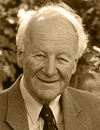
In this sermon, the speaker discusses the Great Commission as recorded by Matthew, Luke, and John. The five aspects of the Great Commission, as summarized by Luke, are: proclamation of forgiveness of sins, based on Christ's saving name, conditioned on repentance, to all nations, and in the power of
In this sermon, the preacher discusses the Great Commission and its four essential elements. The first element is the need for believers to have a personal experience of peace before sharing the word of God. The second element is the importance of identifying with the people to whom they are sent, l

In this sermon, the pastor emphasizes that every believer is called to the nations. He references Matthew 28:16, where Jesus appointed the disciples to go to Galilee. The pastor highlights the importance of not just sitting back and enjoying the blessings of God, but actively reaching out to those i
In this sermon, the preacher focuses on Matthew chapter 28, verses 16 to 20, which is known as the Great Commission. The disciples of Jesus have left Jerusalem and traveled to Galilee, where they meet Jesus on a mountain. Jesus tells them that he has been given all authority in heaven and on earth.
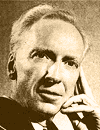
In this sermon, the speaker emphasizes the supreme task of the Church, which is the evangelization of the world. He highlights the importance of having a world vision and not just focusing on local matters. The speaker quotes Bible verses to support his message, emphasizing that God's love and Jesus

In this sermon, the speaker emphasizes the importance of aggressive evangelism and fulfilling the Great Commission. He compares the power of mass media in spreading the news of the moon landing to the power of God in reaching people with the message of the gospel. The speaker encourages Christians t

In this sermon, the preacher emphasizes the importance of not getting distracted from the main purpose of Christianity. He highlights that Christianity is not just about being moral or making right decisions for personal blessings, but it is primarily about loving God with all our heart, soul, mind,
In this sermon, the speaker emphasizes the importance of recognizing that Moses, despite his significant role in the destiny of Israel, was ultimately sustained by God's grace. The speaker also highlights the nature of divine revelation, emphasizing that it comes from God to humanity. The parables i
In this sermon, the preacher emphasizes the greatest encouragement of the Great Commission and the missionary's journey. He highlights the importance of looking to Jesus in times of fear and uncertainty, as Jesus declares that all authority has been given to him in heaven and on earth. The preacher