
The doctrine of the Incarnation is a profound mystery at the heart of Christian faith, affirming that God became flesh in the person of Jesus Christ. As articulated in John 1:14, 'The Word became flesh and made his dwelling among us,' this pivotal moment reveals the divine entering human history to redeem and restore creation. The virgin birth, celebrated during Christmas, underscores the miraculous nature of this event, fulfilling the prophecy of Isaiah 7:14, which states, 'The virgin will conceive and give birth to a son.' Philippians 2:5-11 further elaborates on the humility of Christ, who, though in the form of God, did not consider equality with God something to be grasped but emptied Himself, taking the form of a servant. This act of self-emptying is central to understanding the Incarnation, as it highlights God's willingness to identify with humanity in its brokenness. Through the Incarnation, Jesus not only reveals the nature of God but also establishes a pathway for reconciliation, as seen in Romans 5:8, where Paul writes, 'But God demonstrates his own love for us in this: While we were still sinners, Christ died for us.' Thus, the Incarnation is not merely a theological concept but the very foundation of the Christian message of hope and salvation.
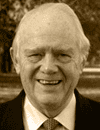
Colin Peckham emphasizes the importance of the Virgin Birth in affirming the divinity and humanity of Jesus Christ. He highlights how the rejection of the Virgin Birth leads to a rejection of essential Christian doctrines, such as the sinlessness of Christ and the authority of Scripture. Peckham poi

John Chrysostom emphasizes the importance of preparing and familiarizing oneself with the Scriptures before hearing them read in church, urging the congregation to diligently study and reflect on the Word of God. He delves into the profound mystery of the Incarnation, explaining how the Word becomin
John Chrysostom preaches about the humility and obedience of Christ, emphasizing how Jesus, being in the form of God, willingly emptied Himself and took on the form of a servant, humbling Himself even unto death on the cross. Chrysostom refutes the heretical views that diminish the true nature of Ch