
The biblical topic of "Hatred and Darkness" is a pervasive theme that underscores the consequences of rejecting God's love and light, as seen in John 3:19, where it is written that "people loved darkness rather than light because their works were evil." This notion is further emphasized in 1 John 2:9, which states that "anyone who hates a brother or sister is in the darkness and walks around in the darkness," highlighting the spiritual implications of harboring hatred towards others. In contrast, Christians are called to walk in the light of God's love, as expressed in 1 John 1:7, where it is written that "if we walk in the light as he himself is in the light, we have fellowship with one another." Through this dichotomy, the Bible illustrates the profound spiritual consequences of choosing between hatred and love, darkness and light.

John Gill emphasizes the spiritual peril of hatred towards others, explaining that those who harbor such feelings are enveloped in darkness and are unaware of their spiritual blindness. He illustrates how this darkness leads to a lack of discernment between good and evil, causing individuals to stum

In this sermon, the speaker emphasizes that the coming of Jesus into the world brings about a division among people. He explains that encountering Jesus and his claims forces individuals to make a decision. The speaker uses the example of the Pharisees questioning their own blindness to illustrate h

In this sermon, the speaker, Charles Wesley, shares his personal testimony of being trapped in sin and darkness until he encountered the light of God's truth. He emphasizes the power of God's eye, which brought a quickening ray of light that broke through his blindness and bondage. Wesley describes

In this sermon, the preacher discusses the story of Saul of Tarsus, who was initially blinded by his religious zeal and desire for success. The preacher compares Saul to modern-day preachers who may be sincere in their aims and motives but are blinded by their own agendas. The preacher emphasizes th

In this sermon, the preacher criticizes TV channels that focus on serving the Lord for personal gain and comfort. He emphasizes the need for sacrificial living and making a difference in the world. The preacher highlights the corruption and filth in society, which people have come to accept as norma

A.W. Tozer addresses the peril of self-righteousness, emphasizing that individuals who fail to recognize their spiritual shortcomings may not be truly converted. He warns that some may be blinded by their own self-righteousness, making them impervious to the Holy Spirit's conviction, much like the P
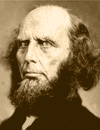
Charles Finney addresses the 'Hardness of Heart' in his sermon, emphasizing how the disciples, despite witnessing miracles, failed to understand due to their hardened hearts. He explains that hardness of heart is a voluntary state of mind, influenced by selfishness, which blinds individuals to truth
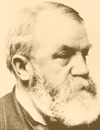
D.L. Moody shares a poignant story of a mother whose child is declared blind, illustrating the deep sorrow and anguish that accompanies such a loss. He emphasizes that while physical blindness is a tragic calamity, the loss of one's soul is far more devastating. Moody urges the audience to recognize
Charles Finney emphasizes the profound wisdom found in Proverbs, particularly the truth that the wicked stumble in darkness, unaware of their missteps. He explores the various ways in which sinners are blinded by self-will, ignorance, and prejudice, leading them to justify their actions while remain

T. Austin-Sparks addresses the theme of spiritual blindness, drawing parallels between the Israelites' inability to see God's glory in Moses and the contemporary struggle of unbelievers to perceive the light of the gospel. He emphasizes that this blindness is caused by the 'god of this age,' who see