
False worship is a significant concern throughout Scripture, emphasizing the necessity of honoring God in spirit and truth, as articulated in John 4:24. The Bible warns against the worship of created things rather than the Creator, which Paul addresses in Romans 1:25, highlighting the dangers of idolatry that can lead believers astray. In Revelation 18, the vivid imagery of 'Babylon the Great' serves as a stark reminder of the consequences of false worship and the allure of worldly practices that distract from true devotion to God. Furthermore, the worship of saints and angels, as discussed in Colossians 2:18, invites caution, urging believers to focus solely on Christ, the head of the Church. The teachings surrounding purgatory, pardons, and the invocation of saints also raise critical questions about the nature of intercession and the sufficiency of Christ's sacrifice, as seen in Hebrews 10:14. Ultimately, the call to genuine worship is clear: it requires a heart aligned with God's truth, rejecting any external practices that do not reflect His glory and holiness, as emphasized in Matthew 15:9, where Jesus critiques the traditions that overshadow the commandments of God.

Favell Lee Mortimer preaches about the wicked suggestion of Caiaphas leading to the plot to put Jesus to death, emphasizing the guilt of those who propose evil schemes and the consequences of acting on such suggestions. Despite the enemies' plans, Jesus, who knew all things, retreated to Ephraim for
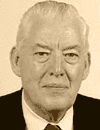
Ian Paisley addresses the issue of worshipping saints and angels, highlighting the controversy between Popery and Protestantism on the merit of the dead. He emphasizes that the worship of angels and saints is baseless and a direct insult to Jesus Christ, the one true Mediator between God and man. Pa
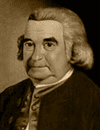
Isaac Penington preaches about the deceptions and sins of Babylon the Great, describing how the city of confusion, where Antichrist reigns, leads people astray by imitating the ways of God without the life and power of the Spirit. He warns against idolatry, blasphemy, and sorceries that bewitch indi
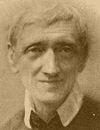
J.H. Newman addresses the errors within the Roman Church regarding the sacrifices of Masses, emphasizing the distinction between the sacrifice of Christ's death and the belief that masses can serve as a separate atonement for sin. The sermon delves into historical observances surrounding the sacrifi
J.H. Newman preaches against the Romish doctrine concerning purgatory, pardons, worshipping of images and relics, and invocation of saints, labeling it as a vain and unfounded invention contradictory to the Word of God. He distinguishes the Romish doctrine from the Primitive and Catholic doctrines,
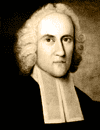
Jonathan Edwards discusses how spending much time in religious activities like reading, praying, singing, and hearing sermons is not a certain sign of true religion, as both those with and without grace can be zealously engaged in external worship. True grace, as seen in the lives of Anna, the primi