
Eternal condemnation is a sobering reality presented throughout Scripture, emphasizing the seriousness of sin and the consequences of rejecting God's grace. In John 3:18, we learn that those who do not believe in the name of the only Son of God are already condemned, highlighting the urgency of responding to the gospel. The Bible warns of a final judgment, as depicted in Revelation 20:15, where anyone not found in the Book of Life is cast into the lake of fire, a vivid representation of eternal separation from God. The teachings of Jesus further illuminate this theme; in Matthew 25:46, He speaks of the righteous going into eternal life while the wicked face eternal punishment, underscoring the stark contrast between the two destinies. The concept of the unpardonable sin, mentioned in Mark 3:29, serves as a grave reminder of the peril of persistently rejecting the Holy Spirit's conviction. In light of these truths, believers are called to share the gospel fervently, as seen in 2 Corinthians 5:11, knowing the fear of the Lord compels us to warn others of the eternal consequences of sin. Ultimately, the message of eternal condemnation is not merely a warning but a call to embrace the mercy and grace offered through Christ, who desires that none should perish (2 Peter 3:9).

This sermon emphasizes the critical importance of not taking salvation for granted, highlighting the certainty of being lost if one does not establish a right relationship with Jesus Christ. It warns against moral suicide and the dangers of being misled by superficial influences, stressing the need

The sermon transcript discusses three truths about the punishment of the wicked: it will be easily inflicted, most dreadful in its character, and most inevitable. The speaker addresses those who may not believe in a future judgment, reminding them that if they profess to be Christian and believe in

Reverend John Wesley Childs preaches with great power, leading sinners to repentance and prayer. A dying soldier in a hospital cries out for mercy, showing the urgency of seeking God before it's too late. A man, indifferent to religion, curses the preacher and later realizes his mistake, but it's to

Hyman Appelman preaches about the three future judgments described in the Bible: the Judgment of the Nations, the judgment of the Christian's works, and the final judgment for the unsaved. He emphasizes the importance of facing God's judgment, highlighting the universal, inevitable, and final nature
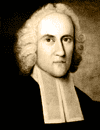
Jonathan Edwards preaches about the dreadful condition of natural men, emphasizing the conversion of the jailer in Acts 16:29-30 as a remarkable instance. He describes the jailer's urgent concern for salvation, his sense of the dreadfulness of his sinful state, and his earnest inquiry about what to
Jonathan Edwards preaches a powerful sermon warning sinners in Zion about the fearful consequences that will surprise them in the future, emphasizing the terror of being cast into a devouring fire and everlasting burnings. He distinguishes between true godly individuals and sinners in Zion, who are

Samuel Davies preaches about the condemnation of men who reject the light of the gospel due to their love for darkness, which stems from their evil deeds. He emphasizes that the entrance of light into the world should lead to enlightenment and salvation, but many choose ignorance and avoidance of th

This sermon delves into the concept of the unpardonable sin, also known as blaspheming the Holy Spirit, highlighting the idea of reaching a point of no return during one's life where forgiveness is no longer possible. It explores the severity of rejecting the light of the Spirit of God and the need

This sermon emphasizes the critical importance of belief in Jesus Christ for salvation and eternal life. It contrasts the consequences of belief and unbelief, highlighting the necessity of accepting Christ as Lord and Savior to receive forgiveness of sins and justification. The message warns against

In this sermon, the preacher expresses his frustration and desperation in trying to bring people to Christ. He emphasizes that he has done everything he can to warn and save souls, without seeking personal gain or favor. The preacher warns the audience about the consequences of rejecting God's offer