
Disinterested Benevolence refers to the selfless and unconditional love that God exhibits towards humanity, as demonstrated throughout the Bible. This concept is rooted in scriptures such as 1 John 4:8, which states that "God is love," and 1 Corinthians 13:3, which emphasizes that true love is not motivated by personal gain. As seen in Psalms 23:1, where David declares "the Lord is my shepherd," God's benevolence is not driven by self-interest, but rather by a genuine desire to care for and provide for His people, exemplifying the ultimate expression of disinterested benevolence. Through this attribute, God sets the standard for Christian believers to emulate, encouraging them to demonstrate similar selfless love towards others, as taught in Matthew 22:39, where Jesus commands to "love your neighbor as yourself."
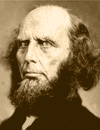
Charles Finney emphasizes that true submission to God involves a complete surrender of selfish desires and a genuine acquiescence to His will, rather than a mere acceptance of punishment or indifference. He warns against the dangers of false hopes built on selfish motives and highlights that true su
Charles Finney warns about the 'Danger of Delusion' in true religion, emphasizing that genuine faith is not merely about emotions, outward actions, or opinions, but rather about a supreme intention to promote the highest good for all beings. He highlights the rarity of understanding true religion, w
Charles Finney addresses the need for a deeper understanding of sin and true submission to God among believers, emphasizing that many have been urged to repent and serve without comprehending the essence of pure religion, which is rooted in love and faith. He critiques the legalistic approach to fai
Charles Finney emphasizes that true submission to God is a conscious choice that requires the relinquishing of selfish motives and a genuine love for God and others. He warns against false hopes rooted in selfishness, asserting that true submission involves a complete acquiescence to God's will and
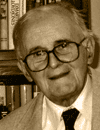
In this sermon, the preacher reflects on a story he heard about a little girl in the hospital who was given a glass of cold milk and told it would do her good. He then delves into the topic of religion and the division between the external form and the internal spirit of true religion. He emphasizes
In this sermon, the speaker emphasizes the importance of true religion and the power it holds. He discusses the three ways in which the power of true religion manifests itself: the power of God over us, the power of God in us, and the power of God through us. The speaker urges believers to not only
In this sermon, the speaker discusses the ninefold fruit of the Spirit as described by Paul. They highlight the complexity of this fruit, which consists of nine different characteristics. The sermon also references a document called "Revolution by Stealth," which outlines the objectives of atheist

F.B. Meyer shares a profound encounter on a train, discussing the limitations of imitating Christ versus experiencing His indwelling presence. He emphasizes that true religion is not merely imitation but a binding of the heart to the Lord, allowing Christ to live through us by the Holy Spirit. Meyer
Charles Finney emphasizes the critical responsibilities of ministers in his 'Ordination Sermon,' urging them to take heed to themselves and the doctrine they preach. He outlines the importance of self-examination, ensuring that their motives align with God's glory, and maintaining a deep understandi
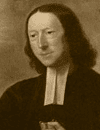
John Wesley emphasizes the unity of God, asserting that there is only one God, one religion, and one true happiness for all humanity. He explains that God is eternal, omnipresent, all-perfect, and omnipotent, and that true religion consists of loving God and our neighbors. Wesley warns against the m