
The preachers quoted here define apostasy as a falling away or revolt: abandoning the faith and renouncing a truth once believed and professed. They call it a disease within the church that keeps a form of godliness, and say it is at root a matter of the will. They differ on whether a true believer can fall away.
Apostasy is a deliberate turning away from the faith a person once professed. The word comes from the Greek apostasia, a defection or revolt.1 It is not a stumble, a season of doubt or a fall into sin. It is the abandonment of Christ and his gospel.
The word
Paris Reidhead noted, "The English word apostasy does not occur in the New Testament, but in the third verse the word falling away is a translation of the very word from which we get our apostasy."2 He was speaking of 2 Thessalonians 2:3, where Paul says of the day of the Lord, "it will not come until the rebellion occurs and the man of lawlessness—the son of destruction—is revealed" (2 Thessalonians 2:3). Jeff Noblit gave the sense of the word: "It means to revolt, to defect or a defection, to abandon a previous loyalty."3 David Wilkerson defined apostasy as "a rejection of truth once believed and proclaimed."4
In the Old Testament
Israel's history is the first picture. The people kept their worship and left their God. "My people have committed two evils: They have forsaken Me, the fountain of living water, and they have dug their own cisterns—broken cisterns that cannot hold water" (Jeremiah 2:13).
The warnings of Jesus and Paul
Jesus said of the days before his return, "At that time many will fall away and will betray and hate one another, and many false prophets will arise and mislead many. Because of the multiplication of wickedness, the love of most will grow cold" (Matthew 24:10-12). Paul wrote, "the Spirit expressly states that in later times some will abandon the faith to follow deceitful spirits and the teachings of demons" (1 Timothy 4:1). He described a religion that keeps its shape and loses its life: people will be "lovers of pleasure rather than lovers of God, having a form of godliness but denying its power" (2 Timothy 3:4-5). Alistair Begg defined apostasy from such passages "as an abandoning of the faith."5
The warnings of Hebrews
"See to it, brothers, that none of you has a wicked heart of unbelief that turns away from the living God" (Hebrews 3:12). The letter says of those who have shared in the Spirit's gifts and then fallen away that it is impossible for them "to be restored to repentance, because they themselves are crucifying the Son of God all over again" (Hebrews 6:6). "If we deliberately go on sinning after we have received the knowledge of the truth, no further sacrifice for sins remains" (10:26). Noblit said of this passage, "So apostasy is the turning away, the renouncing of what you once held a loyalty to."3
These warnings are not written to make a struggling believer despair. They are written to stop anyone who is treating sin lightly or weighing whether to leave Christ. The writer adds, "we are not of those who shrink back and are destroyed, but of those who have faith and preserve their souls" (Hebrews 10:39).
How it begins
Apostasy rarely starts with open denial. It starts in the heart, with neglect and compromise. Chuck Missler called it a sickness inside the church: "Apostasy is a disease, obviously, of the body of Christ."6 Steve Gallagher said, "the only real difference between a pagan and an apostate Christian is a form of godliness."7 Peter describes the end of that road: "It would have been better for them not to have known the way of righteousness than to have known it and then to turn away from the holy commandment passed on to them" (2 Peter 2:21).
Another gospel
One form of apostasy is doctrinal. The words and the meetings remain while the message changes. Paul wrote to the Galatians, "I am amazed how quickly you are deserting the One who called you by the grace of Christ and are turning to a different gospel" (Galatians 1:6). He warned that "men will not tolerate sound doctrine, but with itching ears they will gather around themselves teachers to suit their own desires" (2 Timothy 4:3). Zac Poonen named a present example: "No, they will not seek a gospel of holiness, they'll seek a gospel of earthly prosperity."8 Jude's answer is to "contend earnestly for the faith entrusted once for all to the saints" (Jude 3).
Not every fall is apostasy
Peter denied Christ three times and was restored. Jesus had told him, "I have prayed for you, Simon, that your faith will not fail. And when you have turned back, strengthen your brothers" (Luke 22:32). A believer who sins and is grieved, who doubts and keeps coming to Christ, is not an apostate. The church at Ephesus had grown cold and was called back: "You have abandoned your first love. Therefore, keep in mind how far you have fallen. Repent and perform the deeds you did at first" (Revelation 2:4-5). The mark of apostasy is not failure but refusal to return.
Can a true believer fall away?
Preachers on SermonIndex answer differently. Some hold that those who leave were never truly Christ's. John writes, "They went out from us, but they did not belong to us. For if they had belonged to us, they would have remained with us" (1 John 2:19), and the Westminster Confession teaches that those truly called "can neither totally nor finally fall away from the state of grace".9 Others read the warnings as addressed to real believers in real danger. Jacob Prasch argued, "You can't fall away from something you were never in."10 Both sides agree that the warnings must be heeded, and that no one living in unrepented sin may comfort himself with a doctrine.
The great falling away
Many preachers expect a wide departure from the faith before Christ returns, on the strength of Paul's words to the Thessalonians and to Timothy. Jesus asked, "when the Son of Man comes, will He find faith on earth?" (Luke 18:8). The proper response is watchfulness, not alarm.
How believers are kept
Scripture gives means. "Exhort one another daily, as long as it is called today, so that none of you may be hardened by sin's deceitfulness. We have come to share in Christ if we hold firmly to the end the assurance we had at first" (Hebrews 3:13-14). "Draw near to God, and He will draw near to you" (James 4:8). "The one who perseveres to the end will be saved" (Matthew 24:13).
And it gives a promise. "My sheep listen to My voice; I know them, and they follow Me. I give them eternal life, and they will never perish. No one can snatch them out of My hand" (John 10:27-28). God is "able to keep you from stumbling and to present you unblemished in His glorious presence, with great joy" (Jude 24). "The Lord knows those who are His" (2 Timothy 2:19).
- Strong's Greek 646, apostasía: "defection from truth (properly, the state) ("apostasy")".
- Paris Reidhead, "The Great Apostasy" (sermon).
- Jeff Noblit, "Apostasy and the Unpardonable State" (sermon).
- David Wilkerson, "Protection From Falling Away" (sermon).
- Alistair Begg, "The Approaching Apostasy" (sermon).
- Chuck Missler, "Timothy, Ii #2 Ch. 3-4" (sermon).
- Steve Gallagher, "The Church and The End Times Apostasy" (sermon).
- Zac Poonen, "Apostasy/healing/prosperity?" (sermon).
- Anonymous, Westminster Confession of Faith, "CHAPTER XVII: Of The Perseverance of the Saints — CHAPTER XVIII: Of...".
- Jacob Prasch, "Holy Ghost Last Days" (sermon).
In their own words
Each line below is quoted exactly from a sermon on this site. Follow the link to hear or read it where it was said.
And since apostasy is not a word that is used very much, let us simply define it, in terms of the opening verse, as an abandoning of the faith.
 Alistair Begg
in The Approaching Apostasy
Listen at 6:29
The word apostasy means to depart, to leave a mooring, to leave anchor.
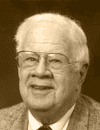 Dwight Pentecost
in Apostasy in the Church
Listen at 0:50
Apostasy means rejection of the truth once believed and proclaimed.
 David Wilkerson
in The Great and Final Apostasy
Listen at 0:51
So apostasy is the turning away, the renouncing of what you once held a loyalty to.
 Jeff Noblit
in Apostasy and the Unpardonable State
Listen at 4:06
Apostasy is not finally intellectual; it is volitional; but it is closely united with the intellectual.
 G. Campbell Morgan
in The Message of Jude
Read in context
The word apostasy means a falling away, a departure.
 Phil Beach Jr.
in Troubler of Israel
Listen at 4:28
And remember, the idea of falling away means that you were in one place, you're no longer in that place.
 Anton Bosch
in If they fall away
Listen at 24:06
Apostasy is a disease, obviously, of the body of Christ.
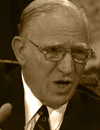 Chuck Missler
in Timothy, Ii #2 Ch. 3-4
Listen at 0:50
The English word apostasy does not occur in the New Testament, but in the third verse the word falling away is a translation of the very word from which we get our apostasy.
 Paris Reidhead
in The Great Apostasy
Listen at 0:12
No, they will not seek a gospel of holiness, they'll seek a gospel of earthly prosperity.
 Zac Poonen
in Apostasy/healing/prosperity?
Listen at 0:42
I said it somewhere, actually it's probably in my book, that the only real difference between a pagan and an apostate Christian is a form of godliness.
 Steve Gallagher
in The Church and The End Times Apostasy
Listen at 18:25
Where they differ
Preachers differ on whether a true believer can fall away. Jacob Prasch argues that the warnings only make sense if real believers can.
The Bible clearly warns of a mass apostasy and the notion that only unsaved people can fall away from something they were never in to begin with is linguistically, theologically and logically absurd.
 Jacob Prasch
in Holy Ghost Last Days
Listen at 7:50
What Scripture says
- 2 Thessalonians 2:3 it will not come until the rebellion occurs
- 1 Timothy 4:1 in later times some will abandon the faith
- Hebrews 3:12 a wicked heart of unbelief that turns away from the living God
- Hebrews 6:4-6 and then have fallen away
- 1 John 2:19 They went out from us, but they did not belong to us
- Matthew 24:10-13 the one who perseveres to the end will be saved
- Jude 24 able to keep you from stumbling
How this page is made: the quotes are taken word for word from sermons on SermonIndex and checked against them by program before the page is published. The transcripts of audio and video sermons are machine-made, so follow the link to hear the words as they were spoken. The answer above the quotes is an overview with its sources listed; it is not a statement of doctrine by SermonIndex.