
True sanctification is a profound work of the Holy Spirit, transforming believers into the image of Christ. As Paul writes in 1 Thessalonians 4:3, 'For this is the will of God, your sanctification,' highlighting that it is not merely a suggestion but a divine mandate for every follower of Christ. This process involves both a positional and progressive aspect; while believers are declared holy through faith in Jesus (1 Corinthians 1:2), they are also called to live out this holiness in their daily lives, as seen in Hebrews 12:14, which urges us to 'pursue peace with all people, and holiness, without which no one will see the Lord.' The journey of sanctification is often marked by trials and tribulations, as illustrated in Romans 5:3-5, where suffering produces perseverance, character, and hope. Moreover, Jesus emphasizes the necessity of love in this journey, teaching in John 13:34-35 that our love for one another is the hallmark of true discipleship. As believers embrace true sanctification, they reflect the beauty and symmetry of Christ's character, ultimately glorifying God in their lives.
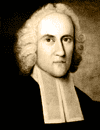
Jonathan Edwards preaches about the distinction between truly gracious and holy affections versus false ones, emphasizing the beautiful symmetry and proportion found in the sanctification of believers. He highlights how the saints, having the image of Christ upon them, exhibit a harmonious balance i

Lewis Williams preaches on the story of Cain and Abel, emphasizing the importance of meeting God's conditions for acceptance. He highlights the need for a genuine confession of sin and a true acknowledgment of one's need for the cleansing blood of Jesus. Williams warns against a bloodless, thank-off

Miles J. Stanford delves into the limitations of the Reformation, pointing out how theological development halted at Romans Five, emphasizing the need to move beyond legalistic doctrines of sanctification. He highlights the contrast between the freedom and joy of worship in the New Testament versus