
Theological method is a crucial aspect of understanding and interpreting Scripture, as it provides the framework through which believers discern divine truth. The Bible emphasizes the importance of sound doctrine, as seen in 2 Timothy 3:16-17, which states that all Scripture is God-breathed and useful for teaching, rebuking, correcting, and training in righteousness. This foundational truth encourages believers to approach theological study with reverence and diligence, seeking to understand God's revelation in its historical and cultural context. Jesus Himself exemplified this method when He engaged with the Scriptures, often citing them to clarify His mission and purpose, as noted in Luke 4:18-21. Furthermore, the Apostle Paul encourages the church in Philippians 4:8 to think on things that are true, noble, right, pure, lovely, and admirable, which underscores the necessity of a thoughtful and discerning approach to theology. As believers engage in theological reflection, they are reminded of the call to love God with all their mind, as articulated in Matthew 22:37. By employing a rigorous theological method, Christians can better grasp the richness of God's Word and apply it faithfully in their lives, fostering a deeper relationship with Him and a clearer understanding of His will.
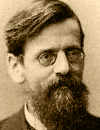
Adolf Schlatter emphasizes the importance of reading and interpreting the New Testament with a focus on God-directed ideas, warning against solely explaining religion based on worldly factors. He highlights the necessity for theological faculties to maintain a strong foundation in God-centered conce

P.T. Forsyth delves into the history and development of philosophy and theology, emphasizing the importance of building upon the insights of predecessors rather than demolishing their work. He highlights the spiritual evolution recorded in both disciplines, stressing the need to interpret and carry