
Theological discernment is a vital aspect of the Christian faith, guiding believers in distinguishing truth from error, as emphasized in 1 John 4:1, where we are urged to test the spirits to see whether they are from God. This discernment is rooted in the wisdom of Scripture, as Paul instructs in Philippians 1:9-10, encouraging believers to abound in love and knowledge, so they may approve what is excellent and be pure and blameless for the day of Christ. Jesus Himself exemplified discernment, teaching in Matthew 7:15-20 about recognizing false prophets by their fruits, a principle that remains crucial for the church today. Furthermore, the Apostle James reminds us in James 1:5 that if any of us lacks wisdom, we should ask God, who gives generously to all without reproach, highlighting the importance of divine guidance in our discernment process. As we engage with the teachings found in resources like 'The Homilies', we are called to align our understanding with the truth of God's Word, ensuring that our beliefs and practices reflect the heart of Christ, as instructed in Colossians 3:16, which urges us to let the word of Christ dwell richly within us.
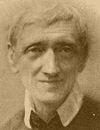
J.H. Newman discusses the importance of understanding the doctrine of the Homilies in the context of the Thirty-fifth Article, emphasizing that the focus is on the overall doctrine rather than every specific statement. He highlights the need to discern the core teachings of the Homilies and how they