
Sacred Theology encompasses the study of God and His divine revelation as presented in Scripture. It seeks to understand the nature of God, the relationship between humanity and the divine, and the implications of God's truth for life and faith. As Paul writes in 2 Timothy 3:16-17, all Scripture is inspired by God and is profitable for teaching, reproof, correction, and training in righteousness, emphasizing the importance of theology rooted in biblical truth. The Author and the End of Theology is ultimately found in Jesus Christ, who embodies the fullness of God’s revelation (Colossians 2:9) and invites believers to a deeper understanding of their faith through His teachings. Furthermore, the Certainty of Sacred Theology reassures us that our understanding of God is not based on human wisdom but on divine revelation, as stated in 1 Corinthians 2:12-13, where Paul emphasizes that the Spirit teaches us to discern spiritual truths. Through the lens of sacred theology, believers are called to engage with God’s Word, allowing it to transform their lives and guide them in their walk of faith, as seen in Romans 12:2, which encourages the renewal of the mind in alignment with God’s will.
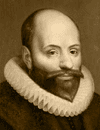
James Arminius preaches about the importance of embracing Sacred Theology, focusing on the Object, Author, End, and Certainty of this divine science. He emphasizes the necessity of understanding Theology's Object, which is God, and its Author, who is God Himself for Legal Theology and God through Ch
James Arminius preaches about the certainty of sacred theology, emphasizing the necessity of a sincere desire to study the divine theology with the hope of attaining knowledge of God and the blessed end. He discusses the property of certainty in the mind, distinct from opinion, and the truth viewed