
Purgatory, a doctrine primarily associated with Roman Catholic theology, posits a state of purification for souls who die in a state of grace but still require purification before entering heaven. However, a thorough examination of Scripture reveals a different perspective on the afterlife and the process of sanctification. Hebrews 9:27 emphasizes that "it is appointed for man to die once, and after that comes judgment," suggesting that there is no intermediate state where souls are purified. Furthermore, Ephesians 2:8-9 teaches that salvation is by grace through faith, not by any works or further purification after death. The Bible also highlights the sufficiency of Christ's sacrifice; as stated in John 19:30, "It is finished," indicating that the work needed for salvation and purification was completed on the cross. Additionally, in 2 Corinthians 5:8, Paul expresses a desire to be "away from the body and at home with the Lord," affirming the immediate transition to God's presence for believers. The doctrine of purgatory raises important discussions about the nature of salvation and the finality of Christ's atoning work, encouraging believers to seek a deeper understanding of God's grace and the assurance of eternal life as promised in John 3:16.
Archbishop Ussher's Answer to a Jesuit leads to an inquiry about the Roman tenet of Purgatory, after deducting evidence from early Church usages. Ussher's explanations challenge the prima facie evidence supporting the doctrine. The sermon delves into the history of the rise of the doctrine of Purgat
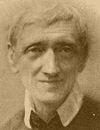
J.H. Newman preaches about the diverse beliefs and practices regarding prayers for the dead in the early Church, highlighting the misconceptions and fallacies surrounding the doctrine of Purgatory. He discusses how Roman controversialists have misinterpreted the teachings of the early Fathers to sup