
Psalmody, the practice of singing psalms, is deeply rooted in the biblical tradition and serves as a vital expression of worship and devotion. The Book of Psalms, often referred to as the hymnbook of ancient Israel, encapsulates a wide range of human emotions and experiences, from joy and thanksgiving to lament and supplication. As noted in Psalms 100:1-2, believers are called to "make a joyful noise to the Lord, all the earth! Serve the Lord with gladness! Come into his presence with singing!" This call to worship underscores the significance of communal and personal psalmody in the life of faith. Moreover, Colossians 3:16 encourages Christians to "let the word of Christ dwell in you richly, teaching and admonishing one another in all wisdom, singing psalms and hymns and spiritual songs, with thankfulness in your hearts to God." Through psalmody, the church not only praises God but also edifies one another, creating a harmonious community of believers. The practice of singing psalms also aligns with the teachings of Jesus, who often quoted the Psalms, demonstrating their enduring relevance and authority (Matthew 22:44). In essence, psalmody is a profound means of connecting with God, reflecting on His character, and expressing the communal faith of the church.
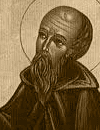
St. Benedict of Nursia emphasizes the importance of chanting the Psalms in the monastic community, urging for the full 150 Psalms to be sung every week and restarted each Sunday at the Night Office. He encourages flexibility in the distribution of Psalms among the seven Night Offices if the initial