
Pagan idolatry, a recurring theme throughout Scripture, signifies the worship of created things rather than the Creator. In Exodus 20:3-5, God commands His people to have no other gods before Him, underscoring the seriousness of idolatry as a violation of divine authority. The prophets frequently denounce idol worship, as seen in Isaiah 44:9-20, where the futility of crafting idols from wood and stone is vividly illustrated, revealing the absurdity of placing trust in lifeless objects. Furthermore, in 1 Corinthians 10:14, Paul admonishes believers to flee from idolatry, emphasizing that participation in pagan practices compromises one's relationship with God. The New Testament continues this theme, with John warning in 1 John 5:21 to keep oneself from idols, highlighting the ongoing relevance of this issue for the early church and for contemporary believers. Ultimately, the Bible teaches that true worship must be directed toward God alone, as Jesus affirms in Matthew 4:10, where He states, 'You shall worship the Lord your God, and Him only shall you serve.' Understanding pagan idolatry is crucial for the believer, as it calls for a heart aligned with God's truth, free from the distractions and deceptions of false worship.
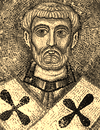
Clement meets Appion in Tyre, where Appion begins to discuss the false accusations he made against the gods, claiming they were allegorical and not to be taken literally. Appion proceeds to interpret various myths, explaining the origin of chaos, Kronos and Rhea, Phanes, and other mythological figur

This sermon delves into the dark reality of the worship of Moloch, highlighting the extreme sacrifices and atrocities committed in the name of power and supernatural influence. It contrasts the two sides of paganism, from the happy and imaginative to the dark and unnatural, emphasizing the descent i