
King Herod, often referred to in the context of the New Testament, embodies the complexities of power, fear, and opposition to God's purposes. Herod the Great, known for his ambitious architectural projects, including the expansion of the Second Temple, is a significant figure in biblical history. His reign is marked by the violent decree to kill all male infants in Bethlehem, as recorded in Matthew 2:16-18, reflecting his desperate attempt to eliminate the perceived threat to his throne posed by the newborn King, Jesus. This act of brutality stands in stark contrast to the peaceful message of Christ, who teaches in Matthew 5:44 to love one's enemies and pray for those who persecute you. Herod's legacy is further complicated by his family dynamics, particularly the tragic fates of his sons, Alexander and Aristobulus, whose deaths are intertwined with the political intrigues of their father’s reign. The Bible illustrates the tension between earthly authority and divine sovereignty, as seen in Acts 12:1-4, where Herod's persecution of the early church ultimately leads to his downfall. Through these narratives, we learn about the consequences of pride and the futility of opposing God's plans, reminding believers of the eternal truth found in Romans 8:28, that God works all things together for good for those who love Him.
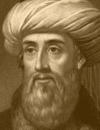
Flavius Josephus preaches about King Herod's zealous administration, enactment of severe laws, and controversial punishments, leading to hatred and accusations within his family. Despite his magnificence in building cities, temples, and sponsoring grand festivals, Herod's harshness towards his sons