
Fearlessness is a profound concept in the Bible, rooted in the Christian faith's assurance of God's presence and protection. As expressed in Psalms 23:1, "The Lord is my shepherd, I lack nothing," believers can trust in God's guidance and provision, enabling them to face challenges with courage and confidence. The apostle Paul further emphasizes this idea in Romans 8:28, where he writes, "And we know that in all things God works for the good of those who love him," illustrating that even in difficult circumstances, God's sovereignty and love can dispel fear. Additionally, in 2 Timothy 1:7, the Bible states, "For the Spirit God gave us does not make us timid, but gives us power, love and self-discipline," underscoring the role of the Holy Spirit in empowering believers to live fearlessly.

David Wilkerson emphasizes that through God's promise of redemption, we are enabled to serve Him without fear, living in holiness and righteousness. This promise was fulfilled in Jesus, who triumphed over darkness at the cross, allowing us to experience a life free from fear through perfect love. Wi

Zac Poonen emphasizes that Paul's authority stemmed from his profound love for all people, which was essential for God to commit His authority to him. Paul, despite being an earthen vessel, allowed the treasure of Christ within him to shine through his love and service to others, both believers and
David Wilkerson emphasizes that being chosen by Christ means more than just winning souls; it involves reflecting Christ's likeness in our lives. He explains that true fruitfulness is about becoming increasingly like Jesus, which should be the central focus of all our activities and relationships. W
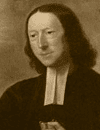
John Wesley emphasizes the concept of a 'Catholic Spirit,' urging believers to unite in love despite differing opinions and practices. He highlights that true love for one another transcends doctrinal differences, as exemplified by Jehu's inquiry to Jehonadab about the alignment of their hearts. Wes

John Gill emphasizes the importance of honoring all people, regardless of their background or status, as a reflection of God's love and grace. He encourages believers to love their fellow Christians and to show respect to everyone, including those in authority, even if they are unworthy in character

J.R. Miller emphasizes the call for Christians to minister to all, including those who may be unworthy or unkind, reflecting on Jesus' example of serving others without regard for their character. He challenges the notion of self-centeredness, urging believers to adopt a perspective that values ever
John Gill emphasizes the commandment from God that requires believers to love both Him and their brothers, highlighting that love for God and love for others are inseparable. He points out that this command is not only a directive from God but also a new commandment given by Christ, reinforcing the
John Gill emphasizes that true love for others is rooted in our love for God, as expressed in 1 John 5:2. He explains that while people may show kindness to others for various reasons, genuine brotherly love arises from a sincere love for God and obedience to His commandments. This love is not based
John Gill emphasizes the transformative power of regeneration as described in 1 John 3:14, illustrating the transition from spiritual death to life through God's grace. He explains that this change is not initiated by human effort but is a divine act, resulting in a new life characterized by love fo
John Gill emphasizes the contradiction in claiming to love God while harboring hatred for one's brother, asserting that such a profession is false and impossible. He explains that love for God is inherently linked to love for others, as one cannot genuinely love an unseen God without loving those wh