
In the Bible, the concept of "comfort" is rich and multifaceted, often conveying both emotional and spiritual support. The Hebrew word for comfort, "נחם" (nacham), appears frequently in the Old Testament and can mean to console, to be sorry, or to repent. For example, in Isaiah 40:1-2, God commands His people to "comfort" Jerusalem, emphasizing His desire to bring solace and restoration to those who have suffered. This comfort is often linked to God's presence and promises, as seen in Psalms 23:4, where the psalmist expresses confidence that even in the darkest valleys, God's rod and staff provide comfort.In the New Testament, the Greek word "παράκλητος" (parakletos), translated as "comforter" or "helper," is used to describe the Holy Spirit (John 14:16, 26). This term encompasses a sense of advocacy and intercession, indicating that the Holy Spirit provides not only comfort but also guidance and support in the believer's life. Furthermore, 2 Corinthians 1:3-4 highlights that God is the "Father of mercies and God of all comfort," who comforts us in our afflictions so that we can extend that same comfort to others. Thus, biblical comfort is deeply relational, rooted in God's character, and intended to foster compassion and support within the community of believers.

In this sermon, the speaker emphasizes the importance of putting our trust in the Lord. He highlights that God will bring forth victory and comfort through the scriptures and the Holy Spirit. The speaker encourages believers to speak words of comfort and exhortation to one another, strengthening the

In this sermon, the preacher emphasizes the importance of finding joy and peace in all circumstances, whether they are good or bad. He refers to a letter from Paul, who wrote about being happy at all times, even in the midst of terrible circumstances. The preacher shares a story about a black man wh

In this sermon, the speaker discusses the concept of transformation and the comfort that God provides during times of sorrow. The sermon begins by referencing the transformation of our physical bodies into a glorified state. The speaker then mentions verses from the book of Revelation that describe
In this sermon, the preacher starts by mentioning a game that starts over again when someone bursts. He then refers to a passage from the tenth chapter of John, where Jesus is described as the Good Shepherd who lays down his life for his sheep. The preacher emphasizes that Jesus' sheep hear his voic

In this sermon, the preacher discusses the significance of the nation of Israel in relation to the preaching of the gospel to the whole world. He explains that the rebirth of Israel in 1948 is a sign of the coming of Jesus Christ. The preacher believes that the full revelation to the nation of Israe

In this sermon, the preacher begins by reading from the book of Isaiah, specifically chapter 40, verse 1. The passage emphasizes the message from God to comfort His people. The preacher highlights that the true and living God of the Bible is not silent, but actively communicates with His creation th
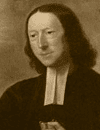
John Wesley emphasizes that God comforts us in our troubles so that we can extend that comfort to others. He encourages believers to reflect on their own experiences of affliction and recognize how God has provided solace, urging them to share that comfort with those who are suffering. Wesley illust

A.B. Simpson emphasizes the role of the Holy Spirit as the Comforter, who brings peace, joy, and consolation to believers. He explains that true peace comes from a deep relationship with God, while joy is a divine gift that transcends circumstances. Simpson encourages believers to cooperate with the
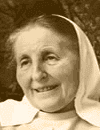
Basilea Schlink emphasizes the significance of the priestly ministry of blessing, illustrating how blessings can transform lives, as exemplified by Father Bodelschwingh's blessing of a child. She highlights that as members of the royal priesthood, Christians are called to bless others rather than cr

Anton Bosch discusses the principle of the laying on of hands, tracing its origins from the Old Testament where Jacob blessed Joseph's sons, Ephraim and Manasseh, by crossing his hands to impart a greater blessing on the younger. He emphasizes that the act of laying on hands is not about forcing God