
The preachers quoted here trace the meekness of the Lord Jesus through His birth and life, His gentleness with the weak, His patience with His disciples, His silence under insult and before His judges, and His prayer on the cross. They say it was strength and not weakness, and that He calls His people to learn it from Him.
The meekness of Christ is the gentle and lowly heart with which the Son of God lived among men, bore with the weak, endured insult without striking back and went willingly to the cross. He said it of Himself: "Take My yoke upon you and learn from Me; for I am gentle and humble in heart, and you will find rest for your souls." (Matthew 11:29). Older English versions have meek and lowly where the Berean Standard Bible has gentle and humble, and the preachers quoted here use the older words. Alexander Whyte wrote, "Only, every page of the four Gospels is full of the meekness and the lowliness and the love of His heart."1
The words Scripture uses
The New Testament speaks of this grace in Christ in several places. The Lord names it in His invitation to the weary. Matthew applies to Him the prophecy of a King who comes "gentle and riding on a donkey" (Matthew 21:5). Paul appeals to the Corinthians "by the mildness and gentleness of Christ" (2 Corinthians 10:1). A.B. Simpson wrote, "Jesus Christ was the incarnation of meekness, lowliness, and gentleness."2 Andrew Murray wrote, "Christ is the humility of God embodied in human nature; the Eternal Love humbling itself, clothing itself in the garb of meekness and gentleness, to win and serve and save us."3 Jonathan Edwards said, "He is a creature, as well as the Creator, and he is the most humble and lowly in heart of any creature in heaven or earth."4
This page is about the Lord Jesus Himself. Meekness as a grace in the believer has its own page, linked below.
He said it of His own heart
Charles Spurgeon preached on the Lord's words about His own heart and said, "That lowly Grace which the world calls base and mean-spirited, Jesus claims as being His own peculiar quality!"5 He said there was no pretence in it: "He never puts on an air, nor strikes an attitude, nor plays the humble part; but he is meek and lowly, and all can see it."6
Whyte asked how the sinless One could be so lowly. He wrote, "And yet never was prostrate sinner so lowly in his own eyes as was the sinless Son of God."7 He answered, "But Jesus Christ was all the humbler and all the more lowly-minded because of His adorable union to the Godhead."8 Spurgeon said that the Lord is lowly because He is great: "The Lord Jesus Christ is so infinitely great that none can add to His Glory and therefore He is surpassingly lowly, too."5 In another sermon he traced the lowliness to love: "God is patient, for he is loving: Christ is lowly of heart, because his heart is made of love."6
Meek in His coming
His meekness began with His coming into the world. Paul wrote that He "emptied Himself, taking the form of a servant, being made in human likeness." (Philippians 2:7). His birth was of the lowliest kind. "And she gave birth to her firstborn, a Son. She wrapped Him in swaddling cloths and laid Him in a manger, because there was no room for them in the inn." (Luke 2:7). As a boy He went home with Mary and Joseph, and Luke says, "He went down to Nazareth with them and was obedient to them." (Luke 2:51).
Spurgeon said of the message to the shepherds, "The angel further went on to give these shepherds cause for joy by telling them that while their Savior was born to be the Lord, yet He was so born in lowliness that they would find Him a Babe, wrapped in swaddling cloths, lying in a manger."9 Richard Sibbes wrote, "Christ came down from heaven and emptied himself of majesty in tender love to souls."10 Spurgeon said, "Were he not of a lowly mind, he had never found his delights with the sons of men, nor would he have thought upon the woes of poor and needy ones."6
Among the poor and lowly
He lived as He was born. He told a man who offered to follow Him, "Foxes have dens and birds of the air have nests, but the Son of Man has no place to lay His head." (Matthew 8:20). Spurgeon said, "Truly, a dignity surrounded him far more real than that which has been conceived to hedge a king; and yet in his poverty he never seemed uneasy, and the society of the poor and unlearned never grieved him."6 Whyte wrote, "On every page of the Four Gospels you will read how He went about doing good with all patience and long-suffering and loving-kindness."11 Spurgeon said, "Jesus had so much love that he could not be anything but lowly towards his little ones."6
The King on a donkey
When the time came for Him to enter Jerusalem as King, He chose how He would come. Zechariah had written, "See, your King comes to you, righteous and victorious, humble and riding on a donkey" (Zechariah 9:9). Matthew quotes the prophecy as fulfilled: "See, your King comes to you, gentle and riding on a donkey, on a colt, the foal of a donkey." (Matthew 21:5).
Spurgeon said, "Our Lord's riding on an ass and its foal was meant to show us how lowly our Savior is, and what tenderness there is in that lowliness."6 He said, "Moreover, it is written of him that he is lowly, which cannot be said of many kings and princes of the earth; nor would they care to have it said of them."6 In another sermon he said, "He is the King who put aside the pomp and pageantry in which Eastern monarchs delighted and, instead of riding upon a horse, He mounts a lowly ass."12 Alexander Maclaren wrote, "And He is a pauper King, for He has to borrow the beast on which He rides, and His throne is draped with the poor, perhaps ragged, robes of a handful of fishermen."13 He added, "That is not the sort of King that the world calls a King."14 He drew a lesson for the church: "How slow God's Church has been to believe that the strength of Christ's kingdom is meekness!"15 He wrote, "There is only one power that conquers hate, and that is meek love."16
Gentle with the weak
Isaiah foretold how the Servant of the Lord would treat the weak, and Matthew says the words were fulfilled in Jesus. "He will not quarrel or cry out; no one will hear His voice in the streets." (Matthew 12:19). He goes on, "A bruised reed He will not break, and a smoldering wick He will not extinguish, till He leads justice to victory." (Matthew 12:20). A reed that is cracked and a wick that only smokes are of little use to anyone. He does not throw them away.
Sibbes wrote on this text, "He never turned any back again that came to him, though some went away of themselves."17 He also wrote, "He is a meek king; he will admit mourners into his presence, a king of poor and afflicted persons."18 Spurgeon said, "He is ever gentle and tender, never breaking the bruised reed or quenching the smoking flax."19 He described the Spirit of Christ in these words: "The Spirit of Christ is a gentle, forbearing, tender Spirit—stern, as I have told you, for God and for His Truth—but tender as a child towards the infirmities, sorrows and weaknesses of mankind."20
The Gospels show it. When the disciples rebuked those who brought children, He said, "Let the little children come to Me, and do not hinder them!" (Mark 10:14). Zac Poonen wrote of the woman taken in adultery, "The woman caught in adultery realized that while the Pharisees had come only to point out her sin and to accuse her and expose her, Jesus wanted to save her."21 Isaiah had said of Him, "He tends His flock like a shepherd; He gathers the lambs in His arms and carries them close to His heart. He gently leads the nursing ewes." (Isaiah 40:11).
Patient with His disciples
The twelve were slow to learn, and their faith often failed. Spurgeon said of the disciples, "Again, their weakness of faith must have been, in itself, a great provocation to Him, and yet He bore with it most meekly."22 On the night of His betrayal they were disputing which of them was the greatest. He answered, "I am among you as one who serves." (Luke 22:27).
That same night He did a slave's work for them. "So He got up from the supper, laid aside His outer garments, and wrapped a towel around His waist." (John 13:4). John continues, "After that, He poured water into a basin and began to wash the disciples' feet and dry them with the towel that was around Him." (John 13:5). Spurgeon said, "He takes a towel and He washes His disciples' feet; but all the while He knows that He is their Master and their Lord."23 In another sermon he said, "The kings of the Gentiles exercise lordship over them, but our Master washed his disciples' feet."24 W.H. Griffith Thomas said, "He not only took the position, but did the work of a servant in washing the disciples' feet."25 Maclaren wrote, "We must remember that there is in Him the true play of a human heart, and that it was to relieve His own love, as well as to teach these men their duty, that he rose from the supper, and prepared Himself to wash the disciples' feet."26
He did not strike back
Peter, who saw it, sums up how the Lord bore ill treatment. "When they heaped abuse on Him, He did not retaliate; when He suffered, He made no threats, but entrusted Himself to Him who judges justly." (1 Peter 2:23). John Flavel wrote, "He was persecuted, and bare it meekly: poor, and never murmured; tempted, and never yielded to the temptation; reviled, and reviled not again."27 Benjamin Keach wrote, "The Lord Jesus with a meek and patient spirit bore all those vile and grievous wrongs, contradictions of sinners, and horrid blasphemies, in the days of his flesh, without seeking the least revenge upon them."28 Maclaren wrote, "Jesus very seldom took notice of His enemies' slanders."29 Whyte wrote, "And thus it was that His humility and His meekness and His forgiveness of all manner of injuries have never had a parallel in any sinful man, such as we all are in such circumstances."30
When a Samaritan village refused to receive Him, James and John wanted to call down fire from heaven. Luke records, "But Jesus turned and rebuked them." (Luke 9:55). He adds, "And He and His disciples went on to another village." (Luke 9:56). Spurgeon said, "Remember how meek and lowly Jesus was in all his service, and how calmly, therefore, he bore with those who opposed him?"31 He went on, "But Christ bore the yoke of service so well because of his meek spirit that he would do nothing of the kind."31
When an officer struck Him in the high priest's house, He answered without anger: "If I said something wrong, testify as to what was wrong. But if I spoke correctly, why did you strike Me?" (John 18:23). Maclaren wrote of that answer, "It is meek in majesty and majestic in meekness."32
Silent before His judges
Isaiah had written, "He was oppressed and afflicted, yet He did not open His mouth. He was led like a lamb to the slaughter, and as a sheep before her shearers is silent, so He did not open His mouth." (Isaiah 53:7). Edward Payson said of that verse, "Never was language more descriptive of the most perfect meekness and patience; never was prediction more fully justified by the event than in the case before us."33 Before the high priest, when false witnesses contradicted one another, Matthew says, "But Jesus remained silent." (Matthew 26:63). James Stalker wrote, "Jesus had looked on in absolute silence while the witnesses against Him were annihilating one another; nor did He now answer a word in response to the high priest's interruption."34 Before Pilate it was the same. "But Jesus gave no answer, not even to a single charge, much to the governor's amazement." (Matthew 27:14). Before Herod also: "Herod questioned Jesus at great length, but He gave no answer." (Luke 23:9).
Spurgeon wrote in his exposition of Matthew, "Jesus answered nothing, for he was there as his people's representative; and though he had not sinned, they were guilty of all that was falsely laid to his charge."35 J.C. Ryle wrote, "To those silent sufferings believers owe all their peace and hope."36 Stalker wrote of the Lord's enemies, "Christ's very meekness provoked them to deeper scorn of His pretensions; His silence under their accusations made them gnash their teeth with baffled malice; the castigation of His polemic made them cling to their errors with more desperate tenacity."37
Mocked and scourged
The prophet had spoken in the Servant's own voice: "I offered My back to those who struck Me, and My cheeks to those who tore out My beard. I did not hide My face from scorn and spittle." (Isaiah 50:6). Matthew records that Pilate had Jesus flogged, and he says of the soldiers, "Then they spit on Him and took the staff and struck Him on the head repeatedly." (Matthew 27:30). Spurgeon said, "He allowed sinners to spit in His face, to pluck His hair and scourge Him cruelly—this is matchless and unparalleled meekness and lowliness of heart!"5 In another sermon he said, "The first wonder is that, under all this torture, our Lord was so patient."38 He said, "It is matchless eloquence that is seen in the calm serenity of Christ in the presence of these cruel persecutors, in the forgiving Character of Christ under the most exasperating circumstances and in the patience of Christ under unparalleled sufferings!"38 Payson asked his hearers to look at the Lord at Calvary: "See the meek sufferer, standing with hands fast bound in the midst of his enemies; sinking under the weight of his cross, and lacerated in every part by the thorny rods with which he had been scourged."33 He said of His face, "You see it indeed full of anguish, but it expresses nothing like impatience, resentment or revenge."33
Father, forgive them
At the cross His meekness reached its height. As they crucified Him He prayed, "Father, forgive them, for they do not know what they are doing." (Luke 23:34). Thomas Manton wrote, "Christ prayed for his persecutors when they had no sense of the injury they had done him"39 and he added that they were converted by that prayer afterwards. Stalker wrote, "To ask God to forgive them was the triumphant ending of His own effort to forgive; and it is impossible to forgive without a delicious sense of deliverance and peace being shed abroad in the forgiving heart."40 He explained what the prayer asked for: "The prayer of Jesus, therefore, meant that time should be granted them for repentance, and that they should be plied with providences and with preaching, to awaken their consciences."41 Edwards said, "There are conjoined in the person of Christ infinite worthiness of good, and the greatest patience under sufferings of evil."4
Strength, not weakness
None of this was the yielding of a man who could do nothing else. When Peter drew a sword in the garden, Jesus said, "Are you not aware that I can call on My Father, and He will at once put at My disposal more than twelve legions of angels?" (Matthew 26:53). He had said of His life, "No one takes it from Me, but I lay it down of My own accord." (John 10:18). T. Austin-Sparks said, "Jesus had only to ask His Father for the legions of angels, and they would have brought Him down from the Cross."42 Spurgeon said, "Legions of angels would have been glad to come to His rescue but He bowed alone in the garden and gave Himself up to the betrayer without a word."43 He said of the Lord's entry into Jerusalem, "The diadem to which He aspired was a crown of thorns—yet He lets His adversaries see that He was not lowly because He was weak, nor gentle because He was feeble!"44
He could be stern. In the synagogue, Mark says, "Jesus looked around at them with anger and sorrow at their hardness of heart." (Mark 3:5). Stalker wrote, "It is an entire misapprehension to suppose that Jesus was all softness and gentleness."45 He added, "The truth is, both characteristics, His softness and His sternness, had a common root."46 Maclaren wrote, "Many modern representations of the gentle Christ need correction, for what they call gentleness is nothing nobler than weakness."47 Spurgeon said, "The Infinite heart of Jesus is a meek heart partly because it is Infinite."5
The Lamb and the Lion
John saw both in one vision. An elder told him to look at "the Lion of the tribe of Judah" (Revelation 5:5) and when he looked he saw "a Lamb who appeared to have been slain" (Revelation 5:6). Edwards preached on that passage. He said, "And in nothing has Christ appeared so much as a lion, in glorious strength destroying his enemies, as when he was brought as a lamb to the slaughter."4 He said of Christ in glory, "For he is a Lamb still, even amidst the throne of his exaltation, and he that is the Shepherd of the whole flock is himself a Lamb, and goes before them in heaven as such."4 To the sinner he said, "Though he is a lion, he will only be a lion to your enemies, but he will be a lamb to you."4
The meek King is also the Judge. Maclaren wrote, "There is a reserve of punitive and destructive power in the meek King."48 He warned, "The gentle Jesus is our Judge, therefore let us not presume."49 Robert Murray McCheyne wrote, "It is fitting that He that stood silent before the Jews, and at the bar of Pilate, and was buffeted, spit upon, and condemned, should sit on the throne and judge His enemies."50
His meekness invites sinners
The Lord spoke of His gentle heart in order to draw the weary to Himself. "Come to Me, all you who are weary and burdened, and I will give you rest." (Matthew 11:28). Spurgeon said, "Since the Lord Jesus Christ is so meek and lowly, poor, trembling, guilty one, you may come to him!"6 In another sermon on the text he said, "Come, poor sinners! come to a gentle Saviour! and you shall never regret that you came to him."51 Whyte wrote, "Take courage and come to Him, for He is as meek and lowly-minded, as accessible, and as affable in heaven as ever He was on earth."52 He added, "Though He be high, He is not any more high-minded than ever He was, as you will live to testify and tell, if you only take your case to Him."53
Learn from Me
The Lord's word is not only come but learn. "Take My yoke upon you and learn from Me" (Matthew 11:29). Peter says the same of His sufferings: "For to this you were called, because Christ also suffered for you, leaving you an example, that you should follow in His footsteps:" (1 Peter 2:21). Paul wrote, "Let this mind be in you which was also in Christ Jesus:" (Philippians 2:5). After washing the disciples' feet Jesus said, "I have set you an example so that you should do as I have done for you." (John 13:15).
Murray wrote, "We must learn of Jesus, how He is meek and lowly of heart."54 He also wrote, "Let us take His yoke upon us and learn of Him, for He is meek and lowly of heart."55 A.W. Tozer wrote, "Jesus calls us to his rest, and meekness is his method."56 He wrote, "There is no release from our burden apart from the meekness of Christ."57 G. Campbell Morgan wrote, "His yoke is easy, His burden is light, and as you learn of Him, you will find in very deed that He is meek and lowly of heart."58 Spurgeon said, "We must be meek and lowly in heart, otherwise we are totally unfit to be taught by Christ."59 He said, "Therefore I charge you all—and all His saints speak in me while I speak—take His yoke upon you and learn of Him, for He is meek and lowly in heart."60 Charles Finney said, "The people of God should always show a temper like the Son of God, who when he was reviled, reviled not again."61 Whyte wrote of the Lord's meekness and lowliness, "For it is all told us first for our learning and then for our example and our imitation."62 Poonen wrote, "We must allow the Holy Spirit to show us the gentleness of Jesus, and to transform us into that likeness if we are to fulfil our ministry."21
- Alexander Whyte, The Walk, Conversation and Character of Jesus Christ our Lord, "God Giveth Not the Holy Spirit by Measure Unto His Son".
- A.B. Simpson, The Holy Spirit, "The still, small voice".
- Andrew Murray, "The Secret of Redemption" (sermon).
- Jonathan Edwards, "The Excellency of Jesus Christ" (sermon).
- C.H. Spurgeon, "The Heart Of Jesus" (sermon).
- C.H. Spurgeon, "The Lowly King" (sermon).
- Alexander Whyte, The Walk, Conversation and Character of Jesus Christ our Lord, "Our Lord's Favoruite Graces, Meekness and Lowliness of Heart".
- Alexander Whyte, The Walk, Conversation and Character of Jesus Christ our Lord, "Our Lord's Favoruite Graces, Meekness and Lowliness of Heart".
- C.H. Spurgeon, "The Great Birthday" (sermon).
- Richard Sibbes, The Bruised Reed, "The Spirit of Mercy Should Move Us".
- Alexander Whyte, The Walk, Conversation and Character of Jesus Christ our Lord, "Our Lord's Favoruite Graces, Meekness and Lowliness of Heart".
- C.H. Spurgeon, "Prisoners of Hope" (sermon).
- Alexander Maclaren, Expositions Of Holy Scripture B, "A new kind of king".
- Alexander Maclaren, Expositions Of Holy Scripture B, "A new kind of king".
- Alexander Maclaren, Expositions Of Holy Scripture B, "A new kind of king".
- Alexander Maclaren, Expositions Of Holy Scripture B, "A new kind of king".
- Richard Sibbes, The Bruised Reed, "Christ Will Not Break the Bruised Reed".
- Richard Sibbes, The Bruised Reed, "Christ Will Not Break the Bruised Reed".
- C.H. Spurgeon, "The Glorious Master and the Swooning Disciple" (sermon).
- C.H. Spurgeon, "A Fatal Deficiency" (sermon).
- Zac Poonen, "(The Full Gospel) 18. Learning Gentleness From Jesus" (sermon).
- C.H. Spurgeon, "The Tender Pity of the Lord" (sermon).
- C.H. Spurgeon, Spurgeons Sermons Volume 27 1881, "A Greater Than Solomon".
- C.H. Spurgeon, Spurgeons Sermons Volume 10 1864, "Christ is Glorious--Let Us Make Him Known".
- W.H. Griffith Thomas, "Obedience" (sermon).
- Alexander Maclaren, Expositions Of Holy Scripture I, "The servant-master".
- John Flavel, Writings of John Flavel, "S. Christ's Humiliation in his Life".
- Benjamin Keach, Writings of Benjamin Keach - Volume 1, "Christ a lamb".
- Alexander Maclaren, Expositions Of Holy Scripture B, "The friend of publicans and sinners".
- Alexander Whyte, The Walk, Conversation and Character of Jesus Christ our Lord, "Our Lord Deserted of His Disciples".
- C.H. Spurgeon, "Rest, Rest" (sermon).
- Alexander Maclaren, Expositions Of Holy Scripture St John Chaps Xv To Xxi, "Jesus before caiaphas".
- Edward Payson, "Christ a Man of Sorrows" (sermon).
- James Stalker, The Trial And Death Of Jesus Christ, "Chapter ii. the ecclesiastical trial".
- C.H. Spurgeon, Gospel of the Kingdom, "Matthew 27:11-26".
- J.C. Ryle, "Expository Thoughts On Matthew - Matthew 27:11-26" (sermon).
- James Stalker, Imago Christi, "Christ as an Influence".
- C.H. Spurgeon, "Majesty in Misery" (sermon).
- Thomas Manton, The Complete Works of Thomas Manton, D.D. Vol. I, "And forgive us our debts, as we forgive our debtors".
- James Stalker, The Trial And Death Of Jesus Christ, "Chapter xiv. the first word from the cross".
- James Stalker, The Trial And Death Of Jesus Christ, "Chapter xiv. the first word from the cross".
- T. Austin-Sparks, "'That They May Be in Us'" (sermon).
- Charles Haddon Spurgeon, Spurgeon's Sermons Volume 34: 1888, "The Love of God and the Patience of Christ".
- C.H. Spurgeon, "Hosanna!" (sermon).
- James Stalker, Imago Christi, "Christ as a Preacher".
- James Stalker, Imago Christi, "Christ as a Preacher".
- Alexander Maclaren, Writings of Alexander Maclaren, "Glimpses of the heart of jesus".
- Alexander Maclaren, Expositions Of Holy Scripture B, "A new kind of king".
- Alexander Maclaren, Expositions Of Holy Scripture B, "A new kind of king".
- Robert M. Mccheyne, Writings of Robert M Mccheyne, "S. The Lord and His Rewards".
- C.H. Spurgeon, Spurgeons Sermons Volume 5 1859, "The Meek and Lowly One".
- Alexander Whyte, The Walk, Conversation and Character of Jesus Christ our Lord, "Our Lord's Favoruite Graces, Meekness and Lowliness of Heart".
- Alexander Whyte, The Walk, Conversation and Character of Jesus Christ our Lord, "Our Lord's Favoruite Graces, Meekness and Lowliness of Heart".
- Andrew Murray, "In the Life of Jesus" (sermon).
- Andrew Murray, "Humility and Exaltation" (sermon).
- A.W. Tozer, The Pursuit of God, "Meekness and Rest".
- A.W. Tozer, The Pursuit of God, "Meekness and Rest".
- G. Campbell Morgan, Writings of G Campbell Morgan - Volume 1, "The New Responsibility".
- C.H. Spurgeon, Spurgeons Sermons Volume 5 1859, "The Meek and Lowly One".
- C.H. Spurgeon, "Rest For The Laboring" (sermon).
- Charles Finney, "Lecture Ix. - Means to Be Used With Sinners" (sermon).
- Alexander Whyte, The Walk, Conversation and Character of Jesus Christ our Lord, "Our Lord's Favoruite Graces, Meekness and Lowliness of Heart".
In their own words
Each line below is quoted exactly from a sermon on this site. Follow the link to hear or read it where it was said.
Christ is the humility of God embodied in human nature; the Eternal Love humbling itself, clothing itself in the garb of meekness and gentleness, to win and serve and save us.
 Andrew Murray
in The Secret of Redemption
Read in context
He is a creature, as well as the Creator, and he is the most humble and lowly in heart of any creature in heaven or earth.
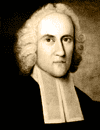 Jonathan Edwards
in The Excellency of Jesus Christ
Read in context
There are conjoined in the person of Christ infinite worthiness of good, and the greatest patience under sufferings of evil.
Jonathan Edwards
in The Excellency of Jesus Christ
Read in context
And in nothing has Christ appeared so much as a lion, in glorious strength destroying his enemies, as when he was brought as a lamb to the slaughter.
Jonathan Edwards
in The Excellency of Jesus Christ
Read in context
For he is a Lamb still, even amidst the throne of his exaltation, and he that is the Shepherd of the whole flock is himself a Lamb, and goes before them in heaven as such.
Jonathan Edwards
in The Excellency of Jesus Christ
Read in context
Though he is a lion, he will only be a lion to your enemies, but he will be a lamb to you.
Jonathan Edwards
in The Excellency of Jesus Christ
Read in context
That lowly Grace which the world calls base and mean-spirited, Jesus claims as being His own peculiar quality!
 C.H. Spurgeon
in The Heart Of Jesus
Read in context
The Lord Jesus Christ is so infinitely great that none can add to His Glory and therefore He is surpassingly lowly, too.
C.H. Spurgeon
in The Heart Of Jesus
Read in context
He allowed sinners to spit in His face, to pluck His hair and scourge Him cruelly—this is matchless and unparalleled meekness and lowliness of heart!
C.H. Spurgeon
in The Heart Of Jesus
Read in context
The Infinite heart of Jesus is a meek heart partly because it is Infinite.
C.H. Spurgeon
in The Heart Of Jesus
Read in context
He never puts on an air, nor strikes an attitude, nor plays the humble part; but he is meek and lowly, and all can see it.
C.H. Spurgeon
in The Lowly King
Read in context
God is patient, for he is loving: Christ is lowly of heart, because his heart is made of love.
C.H. Spurgeon
in The Lowly King
Read in context
Were he not of a lowly mind, he had never found his delights with the sons of men, nor would he have thought upon the woes of poor and needy ones.
C.H. Spurgeon
in The Lowly King
Read in context
Truly, a dignity surrounded him far more real than that which has been conceived to hedge a king; and yet in his poverty he never seemed uneasy, and the society of the poor and unlearned never grieved him.
C.H. Spurgeon
in The Lowly King
Read in context
Jesus had so much love that he could not be anything but lowly towards his little ones.
C.H. Spurgeon
in The Lowly King
Read in context
Our Lord's riding on an ass and its foal was meant to show us how lowly our Savior is, and what tenderness there is in that lowliness.
C.H. Spurgeon
in The Lowly King
Read in context
Moreover, it is written of him that he is lowly, which cannot be said of many kings and princes of the earth; nor would they care to have it said of them.
C.H. Spurgeon
in The Lowly King
Read in context
Since the Lord Jesus Christ is so meek and lowly, poor, trembling, guilty one, you may come to him!
C.H. Spurgeon
in The Lowly King
Read in context
The angel further went on to give these shepherds cause for joy by telling them that while their Savior was born to be the Lord, yet He was so born in lowliness that they would find Him a Babe, wrapped in swaddling cloths, lying in a manger.
C.H. Spurgeon
in The Great Birthday
Read in context
He is the King who put aside the pomp and pageantry in which Eastern monarchs delighted and, instead of riding upon a horse, He mounts a lowly ass.
C.H. Spurgeon
in Prisoners of Hope
Read in context
He is ever gentle and tender, never breaking the bruised reed or quenching the smoking flax.
C.H. Spurgeon
in The Glorious Master and the Swooning Disciple
Read in context
The Spirit of Christ is a gentle, forbearing, tender Spirit—stern, as I have told you, for God and for His Truth—but tender as a child towards the infirmities, sorrows and weaknesses of mankind.
C.H. Spurgeon
in A Fatal Deficiency
Read in context
The woman caught in adultery realized that while the Pharisees had come only to point out her sin and to accuse her and expose her, Jesus wanted to save her.
 Zac Poonen
in (The Full Gospel) 18. Learning Gentleness From Jesus
Read in context
We must allow the Holy Spirit to show us the gentleness of Jesus, and to transform us into that likeness if we are to fulfil our ministry.
Zac Poonen
in (The Full Gospel) 18. Learning Gentleness From Jesus
Read in context
Again, their weakness of faith must have been, in itself, a great provocation to Him, and yet He bore with it most meekly.
C.H. Spurgeon
in The Tender Pity of the Lord
Read in context
He not only took the position, but did the work of a servant in washing the disciples' feet.
 W.H. Griffith Thomas
in Obedience
Read in context
Remember how meek and lowly Jesus was in all his service, and how calmly, therefore, he bore with those who opposed him?
C.H. Spurgeon
in Rest, Rest
Read in context
But Christ bore the yoke of service so well because of his meek spirit that he would do nothing of the kind.
C.H. Spurgeon
in Rest, Rest
Read in context
Never was language more descriptive of the most perfect meekness and patience; never was prediction more fully justified by the event than in the case before us.
 Edward Payson
in Christ a Man of Sorrows.
Read in context
See the meek sufferer, standing with hands fast bound in the midst of his enemies; sinking under the weight of his cross, and lacerated in every part by the thorny rods with which he had been scourged.
Edward Payson
in Christ a Man of Sorrows.
Read in context
You see it indeed full of anguish, but it expresses nothing like impatience, resentment or revenge.
Edward Payson
in Christ a Man of Sorrows.
Read in context
To those silent sufferings believers owe all their peace and hope.
 J.C. Ryle
in Expository Thoughts On Matthew - Matthew 27:11-26
Read in context
The first wonder is that, under all this torture, our Lord was so patient.
C.H. Spurgeon
in Majesty in Misery
Read in context
It is matchless eloquence that is seen in the calm serenity of Christ in the presence of these cruel persecutors, in the forgiving Character of Christ under the most exasperating circumstances and in the patience of Christ under unparalleled sufferings!
C.H. Spurgeon
in Majesty in Misery
Read in context
Jesus had only to ask His Father for the legions of angels, and they would have brought Him down from the Cross.
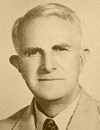 T. Austin-Sparks
in 'That They May Be in Us'
Read in context
The diadem to which He aspired was a crown of thorns—yet He lets His adversaries see that He was not lowly because He was weak, nor gentle because He was feeble!
C.H. Spurgeon
in Hosanna!
Read in context
We must learn of Jesus, how He is meek and lowly of heart.
Andrew Murray
in In the Life of Jesus
Read in context
Let us take His yoke upon us and learn of Him, for He is meek and lowly of heart.
Andrew Murray
in Humility and Exaltation
Read in context
Therefore I charge you all—and all His saints speak in me while I speak—take His yoke upon you and learn of Him, for He is meek and lowly in heart.
C.H. Spurgeon
in Rest For The Laboring
Read in context
The people of God should always show a temper like the Son of God, who when he was reviled, reviled not again.
 Charles Finney
in Lecture Ix. - Means to Be Used With Sinners.
Read in context
What Scripture says
- Matthew 11:29 I am gentle and humble in heart
- 2 Corinthians 10:1 the mildness and gentleness of Christ
- Matthew 21:5 your King comes to you, gentle and riding on a donkey
- Matthew 12:20 a bruised reed He will not break
- Isaiah 53:7 led like a lamb to the slaughter, He did not open His mouth
- 1 Peter 2:23 when they heaped abuse on Him, He did not retaliate
- Matthew 27:14 He gave no answer, to the governor's amazement
- Luke 23:34 Father, forgive them
- Matthew 26:53 He could have called more than twelve legions of angels
- Philippians 2:5 let this mind be in you which was also in Christ Jesus
- John 13:15 I have set you an example
How this page is made: the quotes are taken word for word from sermons on SermonIndex and checked against them by program before the page is published. The transcripts of audio and video sermons are machine-made, so follow the link to hear the words as they were spoken. The answer above the quotes is an overview with its sources listed; it is not a statement of doctrine by SermonIndex.