
The deity of Christ means that Jesus Christ is truly and fully God: eternal, the Maker of all things, one with the Father and worshipped with Him. The preachers quoted here show it from the names Scripture gives Him, from His own claims and works, and from the worship He received, and they explain why salvation depends on it.
The deity of Christ means that Jesus Christ is truly and fully God. He is not a great man raised to honour, and He is not a being somewhere between God and man. He is the eternal Son, one with the Father, who took our nature and came among us. Scripture says so in plain words: "For in Christ all the fullness of the Deity dwells in bodily form." (Colossians 2:9). R.A. Torrey wrote, "Jesus Christ Himself is the center of Christianity, so the most fundamental questions of faith are those that concern the Person of Christ."1 Charles Spurgeon said, "Never let us for a moment hesitate as to the Godhead of our Lord Jesus Christ, for His Deity is a fundamental doctrine of the Christian faith."2
What the words mean
To say that Christ is God is to say that everything God is, He is. Paul does not say that some part of God rested on Jesus for a time. He says that all the fullness dwells in Him. Edward Payson explained the verse: "The import of the assertion which it contains, then, is this: All the fullness of the Godhead resides in Jesus Christ, as in its permanent or fixed habitation."3 He drew out what follows from it: "Wherever then all the fullness of the Godhead dwells, there every natural and moral attribute of divinity will be found."3 Jonathan Edwards said, "As Christ is one of the persons of the Trinity, he is God, and so has the divine nature, or the Godhead dwelling in him, and all the divine attributes belong to him, of which immutability or unchangeableness is one."4 J.C. Ryle wrote of Him, "He is God the Father's Fellow and equal; He is very God of very God: by Him were all things made."5 H.A. Ironside wrote, "As to His Deity He is God the Son, one Person of the Trinity, co-equal with God the Father and God the Holy Spirit, from eternity."6
The Son is God, and He is not the Father. Scripture keeps both truths. Jesus said, "I and the Father are one." (John 10:30). He also prayed to the Father and spoke of the glory He had with Him. J.C. Philpot wrote, "To be one with the Father in essence, yet distinct from the Father in Person, is the peculiar character of his eternal relationship to him as his only-begotten Son."7 He said that this truth is not hung on a handful of verses: "The Godhead of Christ does not rest upon a few texts of Scripture, but it shines all through the Scripture; it is the light of the Scripture, and it is the life of the Scripture."8
The Word was God
John opens his Gospel with the clearest statement of all. "In the beginning was the Word, and the Word was with God, and the Word was God." (John 1:1). The Word was with God, so He is distinct from the Father. The Word was God, so He is no less than God. Then John says who the Word is: "The Word became flesh and made His dwelling among us. We have seen His glory, the glory of the one and only Son from the Father, full of grace and truth." (John 1:14). A.W. Pink wrote of the first verse, "A more unequivocal affirmation of the essential Deity of the Lord Jesus Christ it is impossible to imagine."9 W.H. Griffith Thomas wrote, "The unchangeable sum of Christianity is the message: The Word was God, and the Word became flesh."10 Spurgeon set the two verses side by side: "It is a fact that the Word, who was God, and who made Heaven and earth, and without whom was not anything made that was made—it is a fact that this Word was made flesh and dwelt among men!"11 John says again a few lines later that the Son "is Himself God and is at the Father's side" (John 1:18).
He is eternal
A creature has a beginning. The Son has none. John says of the Word, "He was with God in the beginning." (John 1:2). Micah foretold a ruler from Bethlehem, "One whose origins are of old, from the days of eternity." (Micah 5:2). Jesus prayed, "And now, Father, glorify Me in Your presence with the glory I had with You before the world existed." (John 17:5). He told the Jews, "before Abraham was born, I am!" (John 8:58). Payson said, "We are told by the apostle that in the beginning, that is, before the world was formed, or the plan of redemption laid, the Word was with God, and that the Word was God."12 He said of Christ, "He has neither beginning of days, nor end of life; but his throne is forever and ever, and his years shall not fail."13 Spurgeon said, "He is Alpha, the First, the Chief, the Foremost, the First-Born of every creature, the Eternal God."14 He owned how far the subject is above us: "When we begin to talk of the eternity of the Person of our Lord Jesus Christ, we are overwhelmed by the glory of our subject."14
He made all things
Scripture gives the work of creation to the Son. "Through Him all things were made, and without Him nothing was made that has been made." (John 1:3). Paul says the same: "For in Him all things were created, things in heaven and on earth, visible and invisible, whether thrones or dominions or rulers or authorities. All things were created through Him and for Him." (Colossians 1:16). He adds, "He is before all things, and in Him all things hold together." (Colossians 1:17). The writer to the Hebrews says the Son is "upholding all things by His powerful word." (Hebrews 1:3). The one who made all things is not one of the things made. Pink wrote, "Here, again, the absolute Deity of Christ is emphatically affirmed, for creation is ascribed to Him, and none but God can create."9 Payson wrote, "The assertion, that all things were created by him, is sufficient to prove his divinity; for he who built all things, must be God."15 He said, "Christ, we are told, upholds all things by the word of his power; and in him all things subsist."13 Spurgeon said of the Son's present work in creation, "At this very moment new comets may be launched like thunderbolts upon their fiery way, but not without the Son of God."14 Pink followed the argument of Hebrews 1: "The argument may be stated thus: The Creator is more excellent than creatures; Christ is the Creator, angels are creatures; therefore Christ is more excellent than angels."16
Scripture calls Him God
The Bible gives Christ the name of God directly. Isaiah said of the child to be born, "He will be called Wonderful Counselor, Mighty God, Everlasting Father, Prince of Peace." (Isaiah 9:6). Paul calls Him "Christ, who is God over all, forever worthy of praise!" (Romans 9:5). He speaks of "our great God and Savior Jesus Christ." (Titus 2:13). John writes of the Son, "He is the true God and eternal life." (1 John 5:20). John Owen wrote on Isaiah's words, "The child and the mighty God are the same person, or he that is born a child cannot be rightly called The mighty God."17 Payson gathered such texts: "In our text, we find Thomas calling him, My Lord and my God; and the elders of Ephesus are charged to feed the flock of God, which he purchased with his own blood."18 Spurgeon said, "He that suffered scourging and spitting, and died on Calvary is, nevertheless, God over all, blessed forever!"19 Ryle wrote, "Nothing can account for Christ and Christianity, but the old belief that Christ is very God."20
What Jesus said of Himself
Jesus did not leave this to be worked out by others. He called God His own Father, and His hearers understood Him. "Because of this, the Jews tried all the harder to kill Him. Not only was He breaking the Sabbath, but He was even calling God His own Father, making Himself equal with God." (John 5:18). On another day they took up stones and gave their reason: "because You, who are a man, declare Yourself to be God." (John 10:33). He did not tell them they had misunderstood. Payson said, "It is evident that the Jews who heard him call himself the Son of God, supposed that he meant to claim divine honors, and for this very reason they were about once and again to stone him, because, as they said, he was guilty of blasphemy, and though he was only a man, made himself God."13 J.R. Miller wrote on the same chapter, "There is another strong assertion of divinity here, showing that Christ was conscious of being equal with the Father."21 Griffith Thomas wrote, "The supreme idea that runs through the Gospel story is the consciousness that Jesus Christ is more than man."10
God, or not good
The claims of Jesus leave no middle ground. A man who said such things of himself and was not God would not be a good man. Payson said of His conduct and declarations, "Those were such, that unless he was essentially God, he must be considered as an impostor and blasphemer, as the Jews represented him."13 Torrey said, "That is the only alternative: you must either admit the lofty claims He made about His Deity, or hold Him to have been a blasphemer and an impostor."22 He added, "Every one who denies the Deity of Christ practically lays at His door the charge of blasphemy and imposture."22 Griffith Thomas wrote, "Jesus Christ is either God, or else He is utterly undeserving of our thought and regard."23 Spurgeon said of Christ's words, "His words have led millions of Christians, from those days until now, to worship Him as God."24
He does what only God can do
The scribes were right about one thing. They asked, "Who can forgive sins but God alone?" (Mark 2:7). Jesus then healed the paralytic to show that He had that authority. He said of Himself, "For just as the Father raises the dead and gives them life, so also the Son gives life to whom He wishes." (John 5:21) and, "Furthermore, the Father judges no one, but has assigned all judgment to the Son," (John 5:22). Torrey listed such works: "The seven distinctively Divine offices are: Creation, Preservation, Forgiveness of Sin, the Raising of the Dead, the Transformation of Bodies, Judgment and the Bestowal of Eternal Life, and each of these is ascribed to Jesus Christ."1 Payson said, "Christ forgave sins not only once, but often in his own name."13 Alexander Maclaren wrote on the healing of the paralytic, "The second lesson from this incident is that Christ's claim to forgive sins is either blasphemy or the manifest token of divinity."25 On John 5 he wrote, "To give life and to judge the world are equally beyond human power; they are equally His actions."26 He added, "To give life at first, and to give it again to the dead, and not only to revivify, but to raise them, are plainly competent to no power short of the divine; and here Jesus calmly claims them."27 Pink wrote, "To quicken is to impart life, and to impart life is a Divine prerogative."28 He counted it among the proofs in that chapter: "This brings us to the seventh proof for the absolute Deity of Christ: He is co-equal with the Father in judicial authority and power."28 Ryle wrote on the raising of Lazarus, "He whose voice could bring back from the grave one that had been four days dead, must indeed have been very God!"29 Thomas Brooks wrote, "If Christ be not God, our preaching is in vain, and your hearing is in vain, and your praying is in vain, and your believing is in vain, and your hope of pardon and forgiveness by Jesus Christ is in vain; for none can forgive sins but a God."30
He did these things in His own name. Payson said, "When the prophets performed miracles, they always did it in the name of God; the apostles wrought them in the name of Christ, but our Saviour always wrought them in his own name, and by his own power."13 He added, "Whether he raised the dead, or cast out a devil, or calmed the tempestuous waves, it was always done in the same Godlike manner."13
He has the attributes of God
What is true of God alone is said of Christ. He is unchanging: "Jesus Christ is the same yesterday and today and forever." (Hebrews 13:8). He knows all things. John says, "He did not need any testimony about man, for He knew what was in a man." (John 2:25). He is present with His people everywhere: "For where two or three gather together in My name, there am I with them." (Matthew 18:20). He has all power: "All authority in heaven and on earth has been given to Me." (Matthew 28:18). Payson said, "In a word, there is no attribute or perfection ascribed to God, which is not in like manner ascribed to Christ."13 Torrey said of the verses that ascribe these attributes to Him, "It shows that He possesses every perfection of nature and character that God the Father possesses."1 Pink wrote, "It is remarkable to see that every essential attribute of Deity is predicated of Christ in this Gospel, the special object of which is to unveil His Divine perfections."31
He is worshipped
Scripture forbids the worship of any creature. Peter would not receive it. He said to Cornelius, "Stand up" (Acts 10:26) and, "I am only a man myself." (Acts 10:26). Jesus received it. After He stilled the storm, "those who were in the boat worshiped Him" (Matthew 14:33). Matthew says of the disciples after He rose, "When they saw Him, they worshiped Him, but some doubted." (Matthew 28:17). The Father commands it: "Let all God's angels worship Him." (Hebrews 1:6). Jesus said the Father has given all judgment to the Son "so that all may honor the Son just as they honor the Father. Whoever does not honor the Son does not honor the Father who sent Him." (John 5:23).
Zac Poonen wrote, "The clearest proof of Jesus' Deity in the days of His flesh, is seen in the fact that He received worship."32 Spurgeon wrote of the leper who knelt before Him, "The leper rendered to Christ divine homage; and if Jesus had been merely a good man, and nothing more, he would have refused the worship with holy indignation."33 D.L. Moody wrote, "You cannot find a place in the Bible where a man has been allowed to bow down and worship anyone but the God of heaven and Jesus Christ His Son."34 Torrey said, "The Bible clearly teaches that Jesus, the Son of God, is to be worshipped as God by angels and men, even as God the Father is worshipped."1 He put the alternative plainly: "If Jesus Christ is not God manifest in the flesh, then Christians are idolaters, for Christians worship Jesus Christ."22 Maclaren wrote, "To worship Christ does not intercept the honour due to God; to worship the Son is to worship the Father; and no man honours the Father who sent Him who does not honour the Son whom He has sent."35 T. Austin-Sparks wrote, "To worship the Son is to worship the Father, because the Father and the Son are one."36 Brooks wrote, "He who was born of Mary is to be adored with divine worship; but not for that reason, because he was born of Mary, but because he is God, the co-essential and eternal Son of God."37
The Lord of the Old Testament
The New Testament takes what the Old Testament says of the LORD and says it of Jesus. In Isaiah the LORD says, "I am the first and I am the last, and there is no God but Me." (Isaiah 44:6). In Revelation Jesus says, "I am the Alpha and the Omega, the First and the Last, the Beginning and the End." (Revelation 22:13). Isaiah saw the Lord high and lifted up, and John writes, "Isaiah said these things because he saw Jesus' glory and spoke about Him." (John 12:41). Torrey said, "That is to say, in New Testament thought and doctrine, Jesus Christ occupies the place that God the Father occupies in Old Testament thought and doctrine."1 Payson wrote, "To those however who believe that the Jehovah of the Old Testament is the Jesus of the New, these apparently different assertions will appear perfectly consistent."38
God and man in one Person
The deity of Christ does not take away His manhood. The Son existed "in the form of God" (Philippians 2:6) and took the form of a servant. He was hungry, tired and tempted, and He died. He did not stop being God when He became man. Ryle wrote, "The Saviour in whom we are bid to trust, is as really man as He is God."39 He wrote elsewhere, "We are speaking of One who in infinite love to our souls, took man's nature, and was born of the Virgin Mary, was crucified, dead, and buried, to be a sacrifice for sins, and yet never ceased for a moment to be very God."40 Spurgeon said, "There is no Man more a man than Jesus, and yet in no respect is He other than equal with God."41 He said, "The very essence of it is that it was God Himself who was veiled in human flesh; if it was any other being who thus came to us, I see nothing very remarkable in it, nothing comforting, certainly."42 He spoke of what this means for the believer: "The tenderness of His Humanity and the majesty of His Deity blend in His love to you."19
Why salvation depends on it
This is not a point for scholars only. The whole of salvation rests on who the Saviour is. A creature could not bear the sin of the world or bring sinners to God. Because He is God, Scripture can say, "Therefore He is able to save completely those who draw near to God through Him, since He always lives to intercede for them." (Hebrews 7:25). Paul speaks of "the church of God, which He purchased with His own blood." (Acts 20:28).
Spurgeon said, "The work of saving a soul is a Divine operation and no one but a Divine Being can accomplish it."24 He went on, "He who believes in Christ as a mere man has not believed in a Person who can give him salvation—and Christ cannot accomplish the stupendous task if He is only man, for the Savior must be God!"24 In another sermon he said, "It is not conceivable that the sufferings of a mere man, however holy or great he might have been, could have made atonement for the sins of the whole multitude of the Lord's chosen people."43 Ryle wrote, "The salvation of your soul has been established by God the Father on Christ, and no other; and if Christ were not God Himself, He never could accomplish it: there could be no salvation at all."44 He wrote of the Father's gift, "He gave us One who was nothing less than His own fellow, very God of very God, His only begotten Son."45 Thomas Manton wrote, "No mere man could satisfy the justice of God, appease his wrath, procure his favour; therefore our surety needed to be God to do this."46 Pink wrote, "The Deity of Christ not only sustained and strengthened His human nature in being a sacrifice therein, but it also gave merit and efficacy to His sacrifice."47 Miller wrote, "The divinity of Christ is the rock of our hope and our salvation."48 Torrey said, "The Saviour in Whom we believe is God, a Saviour for Whom nothing is too hard, a Saviour Who can save from the uttermost and save to the uttermost."1 He added, "Oh, how we should rejoice that we have no merely human Saviour, but a Saviour Who is absolutely God in all of His fulness and perfection."1 Spurgeon said, "God has come down from Heaven and veiled Himself in our flesh that He might be able to save to the uttermost."49
When His deity is denied
John writes, "Whoever denies the Son does not have the Father, but whoever confesses the Son has the Father as well." (1 John 2:23). Jesus said, "For unless you believe that I am He, you will die in your sins." (John 8:24). To deny that Christ is God is to lose the Father as well as the Son. Torrey said, "Whoever refuses to accept Jesus as his Divine Saviour and Lord is guilty of the enormous sin of rejecting a Saviour Who is God."1 He warned that old words can be kept and given a new meaning: "They talk about the Divinity of Christ, but they do not mean at all what intelligent Christians in former days meant by it."1 Pink described such a message: "It is a bloodless gospel, and presents a crossless Christ, who is received not as God manifest in the flesh, but merely as the Ideal Man."50 G. Campbell Morgan said of the book of Revelation, "No man who denies the absolute and final Deity of Jesus can accept this book, he must get rid of it."51
How a person comes to see it
The evidence is in Scripture for anyone to read. John says why he wrote: "But these are written so that you may believe that Jesus is the Christ, the Son of God, and that by believing you may have life in His name." (John 20:31). Yet no one confesses Christ as Lord by argument alone. Paul writes that no one can call Jesus Lord "except by the Holy Spirit." (1 Corinthians 12:3). Jesus said, "No one knows the Son except the Father, and no one knows the Father except the Son and those to whom the Son chooses to reveal Him." (Matthew 11:27). Ironside wrote, "It is not by chance that one person believes in the deity of Jesus and one does not."52 Torrey said, "Those who know God best and live nearest to God have no doubts whatever that Jesus Christ is His Son."22 Griffith Thomas wrote, "The culminating evidence of the Godhead of Christ is that He is able by the Holy Spirit to bestow His Divine life on the lives of all who are willing to receive Him."53 Miller wrote, "The best evidence of the divinity of Christ, is not any number of proof-texts gathered from all parts of the Bible and arranged in order — but the works that Christ has done and is doing every day."54
My Lord and my God
Thomas had doubted. When he saw the risen Christ he said, "My Lord and my God!" (John 20:28). Jesus did not correct him. He received the words. That is the right answer to the deity of Christ: to trust Him, obey Him and worship Him as God. Spurgeon said of Thomas's words, "It is as much as a man could say if he wished to assert indisputably and dogmatically that Jesus is, indeed, God and Lord."19 He said to those who have been forgiven, "If He brings you up out of the horrible pit and out of the miry clay and sets your feet upon a rock and establishes your goings, He is sure to be your Lord and God from that time on and forever!"19 A.W. Tozer wrote, "Christ is the side of God that looks toward the human race, and Jesus Christ is the way to God because He is Himself God."55 He said elsewhere that no one comes to the Father except through Christ, and gave the reason: "The reason for that is, of course, that Jesus Christ is God."56
One day the confession will be made by all. Paul writes that at the name of Jesus every knee will bow, "and every tongue confess that Jesus Christ is Lord, to the glory of God the Father." (Philippians 2:11).
- R.A. Torrey, "The Deity of Jesus Christ" (sermon).
- C.H. Spurgeon, Christ's Incarnation (17 Sermons), "Emmanuel-"God With Us"".
- Edward Payson, "The Fullness of God Dwelling in Christ" (sermon).
- Jonathan Edwards, "Jesus Christ the Same Yesterday, Today, and Forever" (sermon).
- J.C. Ryle, "Come!" (sermon).
- Harry A. Ironside, Writings of Harry A Ironside - Volume 1, "The Annunciation -- Luk_1:26-38".
- J.C. Philpot, Writings of J C Philpot, "The QUALIFICATIONS of the Lord Jesus to sustain the office of Prophet...".
- J.C. Philpot, "Heavenly Attraction and Spiritual Obedience" (sermon).
- A.W. Pink, "The Gospel of John" (sermon).
- W.H. Griffith Thomas, "The Meaning of Christ" (sermon).
- C.H. Spurgeon, "The Soul's Food and Drink" (sermon).
- Edward Payson, "Christ a King" (sermon).
- Edward Payson, "The Divinity of Christ" (sermon).
- C.H. Spurgeon, "Alpha And Omega" (sermon).
- Edward Payson, Writings of Edward Payson, "S. all things created for christ".
- A.W. Pink, Writings of A W Pink - Volume 1, "Chapter 6".
- John Owen, "The Nature of the Person of Christ, and the Hypostatical Union of His Natures Declared" (sermon).
- Edward Payson, Writings of Edward Payson, "S. the divinity of christ".
- C.H. Spurgeon, "My Lord and My God!" (sermon).
- J.C. Ryle, "What Think Ye of Christ?" (sermon).
- James R. Miller, Writings of James R Miller - Volume 1, "Volume 7".
- R.A. Torrey, "Why I Believe That Jesus Christ Is God in Human Form" (sermon).
- W.H. Griffith Thomas, "The Claim of Christ" (sermon).
- C.H. Spurgeon, "A Pressed Man Yielding to Christ" (sermon).
- Alexander Maclaren, Expositions Of Holy Scripture E, "Blasphemer, or--who?".
- Alexander Maclaren, Expositions Of Holy Scripture I, "The life-giver and judge".
- Alexander Maclaren, Expositions Of Holy Scripture I, "The life-giver and judge".
- A.W. Pink, "Exposition of the Gospel of John CHAPTER 18 THE DEITY OF CHRIST: SEVENFOLD PROOF" (sermon).
- J.C. Ryle, "Expository Thoughts On John - JOHN 11:38-46" (sermon).
- Thomas Brooks, Writings of Thomas Brooks, "Volume 5".
- A.W. Pink, "Exposition of the Gospel of John CHAPTER 9 CHRIST AND NICODEMUS (CONCLUDED)" (sermon).
- Zac Poonen, "(Living as Jesus Lived) 1. God's Purpose for Man" (sermon).
- C.H. Spurgeon, Gospel of the Kingdom, "Matthew 8:1-18".
- D.L. Moody, "The Ten Commandments" (sermon).
- Alexander Maclaren, Expositions Of Holy Scripture I, "The life-giver and judge".
- T. Austin-Sparks, "Seeking the Glory of Christ as Son of God" (sermon).
- Thomas Brooks, Writings of Thomas Brooks, "Volume 5".
- Edward Payson, Writings of Edward Payson, "S. all things created for christ".
- J.C. Ryle, "Expository Thoughts on Mark - Mark 4:35-41" (sermon).
- J.C. Ryle, "The Real Presence: What Is It?" (sermon).
- C.H. Spurgeon, "Negotiations For Peace" (sermon).
- C.H. Spurgeon, Christ's Incarnation (17 Sermons), "Emmanuel-"God With Us"".
- C.H. Spurgeon, Spurgeons Sermons Volume 57 1911, "The Wordless Book".
- J.C. Ryle, "Only One Way--Christ!" (sermon).
- J.C. Ryle, "Do You Believe?" (sermon).
- Thomas Manton, The Complete Works of Thomas Manton, D.D. Vol. I, "Sermon vii".
- A.W. Pink, "The Satisfaction of Christ Studies in the Atonement 8. Its Nature-Concluded" (sermon).
- James R. Miller, Writings of James R Miller - Volume 1, "February".
- C.H. Spurgeon, "Immanuel—The Light of Life" (sermon).
- A.W. Pink, "Another Gospel" (sermon).
- G. Campbell Morgan, "The Message of Revelation" (sermon).
- Harry A. Ironside, Writings of Harry A Ironside - Volume 1, "Living In God's Love".
- W.H. Griffith Thomas, "The Verification of Christ" (sermon).
- James R. Miller, Writings of James R Miller - Volume 1, "May".
- Aw Tozer, Tozer Speaks To Students, "How to Be Filled with the Holy Spirit".
- A.W. Tozer, "Attributes of God #6 'The Grace of God'" (sermon).
In their own words
Each line below is quoted exactly from a sermon on this site. Follow the link to hear or read it where it was said.
Jesus Christ Himself is the center of Christianity, so the most fundamental questions of faith are those that concern the Person of Christ.
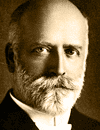 R.A. Torrey
in The Deity of Jesus Christ
Read in context
The seven distinctively Divine offices are: Creation, Preservation, Forgiveness of Sin, the Raising of the Dead, the Transformation of Bodies, Judgment and the Bestowal of Eternal Life, and each of these is ascribed to Jesus Christ.
R.A. Torrey
in The Deity of Jesus Christ
Read in context
It shows that He possesses every perfection of nature and character that God the Father possesses.
R.A. Torrey
in The Deity of Jesus Christ
Read in context
The Bible clearly teaches that Jesus, the Son of God, is to be worshipped as God by angels and men, even as God the Father is worshipped.
R.A. Torrey
in The Deity of Jesus Christ
Read in context
That is to say, in New Testament thought and doctrine, Jesus Christ occupies the place that God the Father occupies in Old Testament thought and doctrine.
R.A. Torrey
in The Deity of Jesus Christ
Read in context
The Saviour in Whom we believe is God, a Saviour for Whom nothing is too hard, a Saviour Who can save from the uttermost and save to the uttermost.
R.A. Torrey
in The Deity of Jesus Christ
Read in context
Oh, how we should rejoice that we have no merely human Saviour, but a Saviour Who is absolutely God in all of His fulness and perfection.
R.A. Torrey
in The Deity of Jesus Christ
Read in context
Whoever refuses to accept Jesus as his Divine Saviour and Lord is guilty of the enormous sin of rejecting a Saviour Who is God.
R.A. Torrey
in The Deity of Jesus Christ
Read in context
They talk about the Divinity of Christ, but they do not mean at all what intelligent Christians in former days meant by it.
R.A. Torrey
in The Deity of Jesus Christ
Read in context
The import of the assertion which it contains, then, is this: All the fullness of the Godhead resides in Jesus Christ, as in its permanent or fixed habitation.
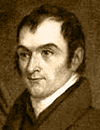 Edward Payson
in The Fullness of God Dwelling in Christ
Read in context
Wherever then all the fullness of the Godhead dwells, there every natural and moral attribute of divinity will be found.
Edward Payson
in The Fullness of God Dwelling in Christ
Read in context
As Christ is one of the persons of the Trinity, he is God, and so has the divine nature, or the Godhead dwelling in him, and all the divine attributes belong to him, of which immutability or unchangeableness is one.
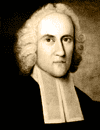 Jonathan Edwards
in Jesus Christ the Same Yesterday, Today, and Forever
Read in context
He is God the Father's Fellow and equal; He is very God of very God: by Him were all things made.
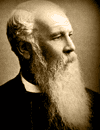 J.C. Ryle
in Come!
Read in context
The Godhead of Christ does not rest upon a few texts of Scripture, but it shines all through the Scripture; it is the light of the Scripture, and it is the life of the Scripture.
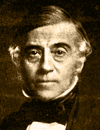 J.C. Philpot
in Heavenly Attraction and Spiritual Obedience
Read in context
A more unequivocal affirmation of the essential Deity of the Lord Jesus Christ it is impossible to imagine.
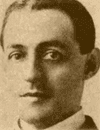 A.W. Pink
in The Gospel of John
Read in context
Here, again, the absolute Deity of Christ is emphatically affirmed, for creation is ascribed to Him, and none but God can create.
A.W. Pink
in The Gospel of John
Read in context
The unchangeable sum of Christianity is the message: The Word was God, and the Word became flesh.
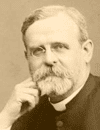 W.H. Griffith Thomas
in The Meaning of Christ
Read in context
The supreme idea that runs through the Gospel story is the consciousness that Jesus Christ is more than man.
W.H. Griffith Thomas
in The Meaning of Christ
Read in context
It is a fact that the Word, who was God, and who made Heaven and earth, and without whom was not anything made that was made—it is a fact that this Word was made flesh and dwelt among men!
 C.H. Spurgeon
in The Soul's Food and Drink
Read in context
We are told by the apostle that in the beginning, that is, before the world was formed, or the plan of redemption laid, the Word was with God, and that the Word was God.
Edward Payson
in Christ a King.
Read in context
He has neither beginning of days, nor end of life; but his throne is forever and ever, and his years shall not fail.
Edward Payson
in The Divinity of Christ.
Read in context
Christ, we are told, upholds all things by the word of his power; and in him all things subsist.
Edward Payson
in The Divinity of Christ.
Read in context
It is evident that the Jews who heard him call himself the Son of God, supposed that he meant to claim divine honors, and for this very reason they were about once and again to stone him, because, as they said, he was guilty of blasphemy, and though he was only a man, made himself God.
Edward Payson
in The Divinity of Christ.
Read in context
Those were such, that unless he was essentially God, he must be considered as an impostor and blasphemer, as the Jews represented him.
Edward Payson
in The Divinity of Christ.
Read in context
Christ forgave sins not only once, but often in his own name.
Edward Payson
in The Divinity of Christ.
Read in context
When the prophets performed miracles, they always did it in the name of God; the apostles wrought them in the name of Christ, but our Saviour always wrought them in his own name, and by his own power.
Edward Payson
in The Divinity of Christ.
Read in context
Whether he raised the dead, or cast out a devil, or calmed the tempestuous waves, it was always done in the same Godlike manner.
Edward Payson
in The Divinity of Christ.
Read in context
In a word, there is no attribute or perfection ascribed to God, which is not in like manner ascribed to Christ.
Edward Payson
in The Divinity of Christ.
Read in context
He is Alpha, the First, the Chief, the Foremost, the First-Born of every creature, the Eternal God.
C.H. Spurgeon
in Alpha And Omega
Read in context
When we begin to talk of the eternity of the Person of our Lord Jesus Christ, we are overwhelmed by the glory of our subject.
C.H. Spurgeon
in Alpha And Omega
Read in context
At this very moment new comets may be launched like thunderbolts upon their fiery way, but not without the Son of God.
C.H. Spurgeon
in Alpha And Omega
Read in context
The child and the mighty God are the same person, or he that is born a child cannot be rightly called The mighty God.
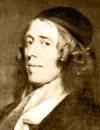 John Owen
in The Nature of the Person of Christ, and the Hypostatical Union of His Natures Declared
Read in context
He that suffered scourging and spitting, and died on Calvary is, nevertheless, God over all, blessed forever!
C.H. Spurgeon
in My Lord and My God!
Read in context
The tenderness of His Humanity and the majesty of His Deity blend in His love to you.
C.H. Spurgeon
in My Lord and My God!
Read in context
It is as much as a man could say if he wished to assert indisputably and dogmatically that Jesus is, indeed, God and Lord.
C.H. Spurgeon
in My Lord and My God!
Read in context
If He brings you up out of the horrible pit and out of the miry clay and sets your feet upon a rock and establishes your goings, He is sure to be your Lord and God from that time on and forever!
C.H. Spurgeon
in My Lord and My God!
Read in context
Nothing can account for Christ and Christianity, but the old belief that Christ is very God.
J.C. Ryle
in What Think Ye of Christ?
Read in context
That is the only alternative: you must either admit the lofty claims He made about His Deity, or hold Him to have been a blasphemer and an impostor.
R.A. Torrey
in Why I Believe That Jesus Christ Is God in Human Form
Read in context
Every one who denies the Deity of Christ practically lays at His door the charge of blasphemy and imposture.
R.A. Torrey
in Why I Believe That Jesus Christ Is God in Human Form
Read in context
If Jesus Christ is not God manifest in the flesh, then Christians are idolaters, for Christians worship Jesus Christ.
R.A. Torrey
in Why I Believe That Jesus Christ Is God in Human Form
Read in context
Those who know God best and live nearest to God have no doubts whatever that Jesus Christ is His Son.
R.A. Torrey
in Why I Believe That Jesus Christ Is God in Human Form
Read in context
Jesus Christ is either God, or else He is utterly undeserving of our thought and regard.
W.H. Griffith Thomas
in The Claim of Christ
Read in context
His words have led millions of Christians, from those days until now, to worship Him as God.
C.H. Spurgeon
in A Pressed Man Yielding to Christ
Read in context
The work of saving a soul is a Divine operation and no one but a Divine Being can accomplish it.
C.H. Spurgeon
in A Pressed Man Yielding to Christ
Read in context
He who believes in Christ as a mere man has not believed in a Person who can give him salvation—and Christ cannot accomplish the stupendous task if He is only man, for the Savior must be God!
C.H. Spurgeon
in A Pressed Man Yielding to Christ
Read in context
To quicken is to impart life, and to impart life is a Divine prerogative.
A.W. Pink
in Exposition of the Gospel of John CHAPTER 18 THE DEITY OF CHRIST: SEVENFOLD PROOF
Read in context
This brings us to the seventh proof for the absolute Deity of Christ: He is co-equal with the Father in judicial authority and power.
A.W. Pink
in Exposition of the Gospel of John CHAPTER 18 THE DEITY OF CHRIST: SEVENFOLD PROOF
Read in context
He whose voice could bring back from the grave one that had been four days dead, must indeed have been very God!
J.C. Ryle
in Expository Thoughts On John - JOHN 11:38-46
Read in context
It is remarkable to see that every essential attribute of Deity is predicated of Christ in this Gospel, the special object of which is to unveil His Divine perfections.
A.W. Pink
in Exposition of the Gospel of John CHAPTER 9 CHRIST AND NICODEMUS (CONCLUDED)
Read in context
The clearest proof of Jesus' Deity in the days of His flesh, is seen in the fact that He received worship.
 Zac Poonen
in (Living as Jesus Lived) 1. God's Purpose for Man
Read in context
You cannot find a place in the Bible where a man has been allowed to bow down and worship anyone but the God of heaven and Jesus Christ His Son.
 D.L. Moody
in The Ten Commandments
Read in context
To worship the Son is to worship the Father, because the Father and the Son are one.
 T. Austin-Sparks
in Seeking the Glory of Christ as Son of God
Read in context
The Saviour in whom we are bid to trust, is as really man as He is God.
J.C. Ryle
in Expository Thoughts on Mark - Mark 4:35-41
Read in context
We are speaking of One who in infinite love to our souls, took man's nature, and was born of the Virgin Mary, was crucified, dead, and buried, to be a sacrifice for sins, and yet never ceased for a moment to be very God.
J.C. Ryle
in The Real Presence: What Is It?
Read in context
There is no Man more a man than Jesus, and yet in no respect is He other than equal with God.
C.H. Spurgeon
in Negotiations For Peace
Read in context
The salvation of your soul has been established by God the Father on Christ, and no other; and if Christ were not God Himself, He never could accomplish it: there could be no salvation at all.
J.C. Ryle
in Only One Way--Christ!
Read in context
He gave us One who was nothing less than His own fellow, very God of very God, His only begotten Son.
J.C. Ryle
in Do You Believe?
Read in context
The Deity of Christ not only sustained and strengthened His human nature in being a sacrifice therein, but it also gave merit and efficacy to His sacrifice.
A.W. Pink
in The Satisfaction of Christ Studies in the Atonement 8. Its Nature-Concluded
Read in context
God has come down from Heaven and veiled Himself in our flesh that He might be able to save to the uttermost.
C.H. Spurgeon
in Immanuel—The Light of Life
Read in context
It is a bloodless gospel, and presents a crossless Christ, who is received not as God manifest in the flesh, but merely as the Ideal Man.
A.W. Pink
in Another Gospel
Read in context
No man who denies the absolute and final Deity of Jesus can accept this book, he must get rid of it.
 G. Campbell Morgan
in The Message of Revelation
Read in context
The culminating evidence of the Godhead of Christ is that He is able by the Holy Spirit to bestow His Divine life on the lives of all who are willing to receive Him.
W.H. Griffith Thomas
in The Verification of Christ
Read in context
The reason for that is, of course, that Jesus Christ is God.
 A.W. Tozer
in Attributes of God #6 'The Grace of God'
Read in context
What Scripture says
- John 1:1 the Word was with God, and the Word was God
- Colossians 2:9 all the fullness of the Deity dwells in Christ in bodily form
- John 8:58 before Abraham was born, I am
- John 10:30 I and the Father are one
- John 20:28 Thomas confesses Him as Lord and God
- Hebrews 1:3 the radiance of God's glory, upholding all things
- Colossians 1:16 all things were created through Him and for Him
- Titus 2:13 our great God and Saviour Jesus Christ
- John 5:23 all are to honour the Son just as they honour the Father
- Isaiah 9:6 the child who is called Mighty God
- Philippians 2:11 every tongue will confess that Jesus Christ is Lord
How this page is made: the quotes are taken word for word from sermons on SermonIndex and checked against them by program before the page is published. The transcripts of audio and video sermons are machine-made, so follow the link to hear the words as they were spoken. The answer above the quotes is an overview with its sources listed; it is not a statement of doctrine by SermonIndex.