
The bread of life is Jesus Christ Himself, who gives life to the soul and sustains it as bread sustains the body. The preachers quoted here explain His words in John 6 against the manna of Exodus 16: He is greater than the manna, the bread is His flesh given in death, it is eaten by coming to Him and believing, it must be taken personally and daily, and it satisfies.
The bread of life is the Lord Jesus Christ Himself. He took the name when He said to a crowd in Capernaum, "I am the bread of life. Whoever comes to Me will never hunger, and whoever believes in Me will never thirst." (John 6:35). As bread keeps the body alive, Christ gives life to the soul and sustains it, and He is received by faith. G. Campbell Morgan wrote, "The bread of life is the sustenance of life, the food of life; and Christ said He was that bread."1
Where the words come from
The day before, Jesus had fed five thousand men with five barley loaves and two fish. The crowd followed Him across the lake, and He told them plainly why they had come. Then He said, "Do not work for food that perishes, but for food that endures to eternal life, which the Son of Man will give you." (John 6:27). Morgan wrote of that crowd, "The day before they had been supernaturally fed with bread, literal, physical bread."2 He gave the sense of the Lord's command in this way: "Do not put out your energy to obtain the food that perishes; but put out your energy to obtain the food that sustains the life which is eternal."3
The people asked for a sign and pointed back to Moses. "Our fathers ate the manna in the wilderness" (John 6:31). A.B. Bruce wrote, "Jesus took up the challenge, and boldly declared that the manna, wonderful as it was, was not the true heavenly bread."4 The Lord's answer was, "it was not Moses who gave you the bread from heaven, but it is My Father who gives you the true bread from heaven." (John 6:32). He went on, "For the bread of God is He who comes down from heaven and gives life to the world." (John 6:33). When they asked for this bread, He told them that He was speaking of Himself. Jonathan Edwards said that Christ has given Himself to be our food, and added, "Thus Christ tells us that he is the bread which came down from heaven, and the bread of life."5
The manna in the wilderness
The background is Exodus 16. Israel was hungry in the desert, and God said to Moses, "Behold, I will rain down bread from heaven for you. Each day the people are to go out and gather enough for that day." (Exodus 16:4). When the people saw it on the ground they did not know what it was. Moses told them, "It is the bread that the LORD has given you to eat." (Exodus 16:15). They lived on it until they reached Canaan. "The Israelites ate manna forty years, until they came to a land where they could settle; they ate manna until they reached the border of Canaan." (Exodus 16:35).
Moses later told Israel what God meant by it. "He humbled you, and in your hunger He gave you manna to eat, which neither you nor your fathers had known, so that you might understand that man does not live on bread alone, but on every word that comes from the mouth of the LORD." (Deuteronomy 8:3). Charles Spurgeon said of the manna, "The Lord taught them that the sustaining power by which man's life is preserved is not necessarily in any one substance, but is dependent upon the Word of God."6 John Bunyan set the manna and Christ side by side and wrote, "The manna was all the bread that Israel had in the wilderness; Christ is all the bread that believers have in this life for their souls."7
Greater than the manna
Jesus did not only compare Himself with the manna. He set Himself above it. "Your fathers ate the manna in the wilderness, yet they died." (John 6:49). He continued, "This is the bread that comes down from heaven, so that anyone may eat of it and not die." (John 6:50). Alexander Maclaren wrote, "Christ accepts the challenge, and goes on to claim that He not only gives, but Himself is, for all men's souls, all and more than all which the manna had been to the bodies of that dead generation."8 J.C. Ryle wrote, "Wonderful and miraculous as the manna was which fell from heaven, it was nothing in comparison to the true bread which Christ had to bestow on His disciples."9 He added, "The bread which fell in the days of Moses could only feed and satisfy the body."10 A.W. Pink wrote, "The manna had no power to ward off death—the generation of Israel that ate it in the wilderness died!"11 He wrote, "Those who appropriate Christ to themselves, those who satisfy their hearts by feeding on Him, shall live forever."12 George Bowen wrote, "Christ is the bread of life come down from heaven to give life to the world; to restore to men what Adam lost."13
Why He calls Himself bread
Bread is not a luxury. It is the food people cannot do without, and it is food for everyone. Pink wrote, "There are other things placed upon our tables that we can do without, but not so with bread."14 He wrote, "The physical body may retain its life for a time without bread, but it will be sickly, and soon sink into the grave."15 He drew the lesson: "There is no spiritual life or health apart from the Bread of God."16
T. Austin-Sparks said of the Lord Jesus, "He is the very Bread of God come down from Heaven and is as necessary to our inward man as natural food is to our outward man."17 Ryle wrote, "Christ is given by God the Father, to be the Satisfier, the Reliever, and the Physician of man's spiritual need."18
The bread is His flesh, given for the world
As the discourse goes on, Jesus says what the bread is. "I am the living bread that came down from heaven. If anyone eats of this bread, he will live forever. And this bread, which I will give for the life of the world, is My flesh." (John 6:51). He is pointing to His death. Bruce wrote, "The Word become flesh, and crucified in the flesh, is the life of the world."19 Spurgeon said, "The mention of His flesh as eaten, apart from His blood which is drunk, indicates death."20 In another sermon he said, "There is no sustenance to the heart like the sustenance that comes of His flesh and His blood given up in anguish and in death to work out our redemption!"21
Ryle wrote, "We must feed on Christ crucified, and the atonement made by His death, or we shall die in our sins."22 Pink wrote, "It is not a dead Christ which the sinner is to feed upon, but on the death of One who is now alive forever more."23 The bread of life is Christ crucified and risen, trusted as the one who died in the sinner's place.
How the bread is eaten
The Lord's words about eating troubled many who heard them. He had already explained them. In verse 35 the one who never hungers is the one who comes to Him, and the one who never thirsts is the one who believes in Him. He said, "everyone who looks to the Son and believes in Him shall have eternal life" (John 6:40). When they asked what work God required, He answered, "The work of God is this: to believe in the One He has sent." (John 6:29).
John Calvin wrote that this food is taken by faith: "He now defines the way of taking this food; it is when we receive Christ by faith."24 He went on, "For it is of no avail to unbelievers that Christ is the bread of life, because they remain always empty; but then does Christ become our bread, when we come to him as hungry persons, that he may fill us."25 He was careful to add, "I readily acknowledge that there is no other way in which we eat Christ than by believing; but the eating is the effect and fruit of faith rather than faith itself."26
Spurgeon said, "The act of eating and drinking is transferred from the body to the soul and the soul is represented as feeding—feeding upon Jesus as the Bread of Life."20 He said of eating Christ's flesh and drinking His blood, "It is to take a whole Christ into you by trusting yourself entirely to Him as a man trusts his life to the bread he eats and the water he drinks."20 In another sermon he said, "Faith, again, is the mouth of the soul; by faith we feed upon Christ."27 Maclaren wrote, "The personal appropriating act of faith is essential to our having Christ for the food of our souls."28 Pink wrote, "The nourishing power is in the food eaten; and the potency of faith lies in its Object."29 John Piper said, "Coming to Jesus and trusting him is what it means to eat the true bread of heaven."30
Each must eat for himself
Bread on the table feeds nobody. Pink wrote, "The table may be spread, and loaded down with delicacies, and a liberal portion may have been placed on my plate, but not until I commence to eat do I make that food my own."31 Spurgeon said, "You must receive food into yourself, or it is not food to you."21 He said, "Faith is your own act and deed—nobody can believe for you, nor can you savingly believe for another."20 Ryle wrote, "No one can eat and drink for us, and no one, in like manner, can believe for us."32 He wrote to those brought up among Christian privileges, "You must eat the bread of life for yourself, and have the witness of the Spirit in your own heart."33
Bread for every day
The manna could not be stored. "Every morning each one gathered as much as was needed, and when the sun grew hot, it melted away." (Exodus 16:21). Christ is to be fed on in the same way. Bunyan wrote, "The manna was to be gathered daily; so is Christ to be daily eaten."34 A.B. Simpson wrote, "The manna must fall each day afresh; the life must be inhaled breath by breath; we must feed upon the living bread day by day."35 Andrew Murray wrote, "The morning manna fed all the day; it is only when the believer in the morning secures his quiet time in secret to renew distinctly and effectually loving fellowship with his Saviour, that the abiding can be kept up all the day."36 He wrote of the believer in that morning hour, "Christ is his manna, his nourishment, his strength, his life: he can take the day's portion for the day, Christ as his for all the needs the day may bring, and go on in the assurance that the day will be one of blessing and of growth."36
Jesus said, "the one who feeds on Me will live because of Me." (John 6:57). Spurgeon said, "There is no such sustenance for faith, love, patience, joy, as living daily upon Jesus, our Savior."21 Pink wrote, "There are some articles of food which we eat but occasionally; others only when they are in season."37 Bread, he went on to say, is needed every day of our lives, and it is the same with the soul. Maclaren wrote of what this feeding does, "Bread eaten is assimilated to the body, but this bread eaten assimilates the eater to itself, and he who feeds on Christ becomes Christ-like, as the silk-worm takes the hue of the leaves on which it browses."38
He satisfies
The promise attached to the name is that the one who comes will never hunger. The psalmist says of God, "For He satisfies the thirsty and fills the hungry with good things." (Psalm 107:9). Isaiah asks, "Why spend money on that which is not bread, and your labor on that which does not satisfy?" (Isaiah 55:2). Thomas Brooks wrote, "The hungry soul will not be put off with any bread but with the bread of life; the thirsty soul will not be put off with any water but with the well-springs of life."39 Maclaren wrote, "Hope, imagination, and all other of our powers or weaknesses, our gifts or needs, are satisfied when they feed on Christ."40 Ryle wrote, "Whatever we need for the relief of our hungering souls, Christ is ready and willing to bestow."41
Spurgeon said, "Every man with an awakened conscience feels that God must punish him for sin, but as soon as he perceives that the Son of God was punished instead of him, his conscience is perfectly appeased and will never hunger again."42 The satisfaction does not end desire for Christ. He said, "There is something very satisfying in Christ's flesh—you will never hunger except for that—but the more you eat of it the more you want."43
Only the hungry come for bread. Mary sang of God, "He has filled the hungry with good things, but has sent the rich away empty." (Luke 1:53). Spurgeon said of the new life God gives, "The first evidence we had of that life was that we began to hunger, we were not satisfied."6 He said of spiritual hunger, "Happy are they that have hungered thus, but cursed are they who have never known what it is to hunger and thirst insatiably after Christ."6
Feeding on Christ in His word
When many turned back, Jesus said, "The words I have spoken to you are spirit and they are life." (John 6:63). Peter answered for the Twelve, "Lord, to whom would we go? You have the words of eternal life." (John 6:68). Christ is fed upon as He is made known in Scripture. Jeremiah said, "Your words were found, and I ate them. Your words became my joy and my heart's delight." (Jeremiah 15:16).
Spurgeon said, "There is nothing in the whole world that can so content the spirit as the Word of God."6 He wrote, "Whatever may be said about eating for the nourishment of the body, this is certainly true concerning spiritual food; for, to feed upon the Word is a great delight to the heart, to feed upon Christ is a heavenly banquet."44 He said of the child of God and the Scriptures, "Every Word is precious to him, yes, every jot and tittle and, under the bedewing influences of the Holy Spirit, he constantly gathers Christ fresh, always new, and he finds His flesh to be meat, indeed, and His blood to be drink, indeed!"45 He said of the Israelites stooping to gather the manna, "That is the way to get the heavenly food—gather it on your knees!"45
Reading alone is not the whole of it. Simpson wrote, "It is one thing to feed upon the truth; it is another thing to feed upon Christ."46 He wrote, "It is the work of the Holy Spirit to prepare for us the Bread of Life, and to minister it to us as the Living Christ."47 Austin-Sparks said, "Prayer is a way in which we feed upon Christ; He becomes our life."48
A note on the Lord's Supper
On the night He was betrayed the Lord gave His disciples bread and said that it was His body. Preachers differ on whether the discourse in John 6 has the Supper in view, and they differ on what is received at the Supper. This page does not take up either question. The Supper has its own page, linked below. The preachers quoted here are agreed on this much: the eating that Jesus speaks of in John 6 is done by faith, and without it no one has life.
Bread to be shared
At the miracle the loaves passed through the disciples' hands to the crowd. Maclaren wrote, "The Church which feeds the world is able to do so, only because, and in proportion as, it has found in Christ its own sustenance and life."49 Ryle wrote of the minister of Christ, "His whole business is to receive the bread of life which his Master provides, and to distribute it among the souls among whom he labors."50 He wrote, "We need nothing but the true bread of life, distributed faithfully among starving souls."51 Spurgeon said, "It is bread, itself, that is needed to feed the hungry, so keep on, dear Brothers and Sisters in Christ, giving the Bread of Life to starving souls!"52
Come and eat
The bread is offered freely. Isaiah's call is, "you without money, come, buy, and eat!" (Isaiah 55:1). Jesus said in this same discourse, "the one who comes to Me I will never drive away." (John 6:37). Spurgeon said, "The difficulty with all other traders is to get you up to their price—but my difficulty is to get you down to mine—for the Bread of Heaven is without price."21 He said, "The Gospel provides a full Christ for empty sinners—pardon on earth and bliss in Heaven—and all for nothing!"21 Ryle wrote, "Never let us rest until we have eaten of the food which Christ alone can give."53
- G. Campbell Morgan, The Parables and Metaphors of Our Lord, "—- Chapter 53. Flesh and Blood (John 6:53-58)".
- G. Campbell Morgan, The Parables and Metaphors of Our Lord, "—- Chapter 52. The Bread of Life (John 6:35-58)".
- G. Campbell Morgan, The Parables and Metaphors of Our Lord, "—- Chapter 52. The Bread of Life (John 6:35-58)".
- Alexander B. Bruce, Writings of Alexander B Bruce, "The Galilean Crisis".
- Jonathan Edwards, "Safety, Fulness, and Sweet Refreshment, to Be Found in Christ" (sermon).
- C.H. Spurgeon, "Bread For The Hungry" (sermon).
- John Bunyan, The Works Of John Bunyan Volumes 1-3, "Light for them that sit in darkness;".
- Alexander Maclaren, Expositions Of Holy Scripture K, "The bread of god".
- John C. Ryle, The Gospel of John, "JOHN chapter 6".
- John C. Ryle, The Gospel of John, "JOHN chapter 6".
- A.W. Pink, Exposition of the Gospel of John, "Chapter 22 christ, the bread of life".
- A.W. Pink, Exposition of the Gospel of John, "Chapter 23 christ in the capernaum synagogue".
- George Bowen, Verily, Verily; The Amens of Christ, "John 6:47".
- A.W. Pink, Exposition of the Gospel of John, "Chapter 22 christ, the bread of life".
- A.W. Pink, Exposition of the Gospel of John, "Chapter 22 christ, the bread of life".
- A.W. Pink, Exposition of the Gospel of John, "Chapter 22 christ, the bread of life".
- T. Austin-Sparks, "Divine Life: All-Sufficient and Inexhaustible" (sermon).
- John C. Ryle, The Gospel of John, "JOHN chapter 6".
- Alexander B. Bruce, Writings of Alexander B Bruce, "The Galilean Crisis".
- C.H. Spurgeon, "Truly Eating the Flesh of Jesus" (sermon).
- C.H. Spurgeon, "The Best Bread" (sermon).
- John C. Ryle, The Gospel of John, "JOHN chapter 6".
- A.W. Pink, Exposition of the Gospel of John, "Chapter 23 christ in the capernaum synagogue".
- John Calvin, Commentary On John Volume 1, "John 6:34-40".
- John Calvin, Commentary On John Volume 1, "John 6:34-40".
- John Calvin, Commentary On John Volume 1, "John 6:34-40".
- C.H. Spurgeon, Spurgeons Sermons Volume 13 1867, "Alive or Dead--Which?".
- Alexander Maclaren, Expositions Of Holy Scripture K, "The bread of god".
- A.W. Pink, Exposition of the Gospel of John, "Chapter 23 christ in the capernaum synagogue".
- John Piper, "Do Not Labor for the Food Which Perishes" (sermon).
- A.W. Pink, Exposition of the Gospel of John, "Chapter 23 christ in the capernaum synagogue".
- John C. Ryle, The Gospel of John, "JOHN chapter 6".
- J.C. Ryle, "Remember Lot's Wife" (sermon).
- John Bunyan, The Works Of John Bunyan Volumes 1-3, "Light for them that sit in darkness;".
- A.B. Simpson, "(Power From on High) 20. Regeneration and Renewal" (sermon).
- Andrew Murray, "Day by Day" (sermon).
- A.W. Pink, Exposition of the Gospel of John, "Chapter 22 christ, the bread of life".
- Alexander Maclaren, Expositions Of Holy Scripture B, "The new passover".
- Thomas Brooks, Writings of Thomas Brooks, "Volume 2".
- Alexander Maclaren, Expositions Of Holy Scripture J, "Feasting on the sacrifice".
- John C. Ryle, The Gospel of John, "JOHN chapter 6".
- C.H. Spurgeon, "Soul-satisfying Bread" (sermon).
- C.H. Spurgeon, "Heavenly Lovesickness!" (sermon).
- C.H. Spurgeon, Only a Prayer Meeting, "Chapter Thirty-Two: Fasting and Backsliding".
- C.H. Spurgeon, "Lessons From the Manna" (sermon).
- A.B. Simpson, The Holy Spirit, "The baptism with fire".
- A.B. Simpson, The Holy Spirit, "The baptism with fire".
- T. Austin-Sparks, "Life Triumphant Over Death" (sermon).
- Alexander Maclaren, Expositions Of Holy Scripture B, "The food of the world".
- John C. Ryle, The Gospel of John, "JOHN chapter 6".
- John C. Ryle, The Gospel of John, "JOHN chapter 6".
- C.H. Spurgeon, "A Promise and Precedent" (sermon).
- John C. Ryle, The Gospel of John, "JOHN chapter 6".
In their own words
Each line below is quoted exactly from a sermon on this site. Follow the link to hear or read it where it was said.
Thus Christ tells us that he is the bread which came down from heaven, and the bread of life.
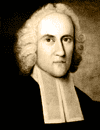 Jonathan Edwards
in Safety, Fulness, and Sweet Refreshment, to Be Found in Christ
Read in context
The Lord taught them that the sustaining power by which man's life is preserved is not necessarily in any one substance, but is dependent upon the Word of God.
 C.H. Spurgeon
in Bread For The Hungry
Read in context
The first evidence we had of that life was that we began to hunger, we were not satisfied.
C.H. Spurgeon
in Bread For The Hungry
Read in context
Happy are they that have hungered thus, but cursed are they who have never known what it is to hunger and thirst insatiably after Christ.
C.H. Spurgeon
in Bread For The Hungry
Read in context
There is nothing in the whole world that can so content the spirit as the Word of God.
C.H. Spurgeon
in Bread For The Hungry
Read in context
He is the very Bread of God come down from Heaven and is as necessary to our inward man as natural food is to our outward man.
 T. Austin-Sparks
in Divine Life: All-Sufficient and Inexhaustible
Read in context
The mention of His flesh as eaten, apart from His blood which is drunk, indicates death.
C.H. Spurgeon
in Truly Eating the Flesh of Jesus
Read in context
The act of eating and drinking is transferred from the body to the soul and the soul is represented as feeding—feeding upon Jesus as the Bread of Life.
C.H. Spurgeon
in Truly Eating the Flesh of Jesus
Read in context
It is to take a whole Christ into you by trusting yourself entirely to Him as a man trusts his life to the bread he eats and the water he drinks.
C.H. Spurgeon
in Truly Eating the Flesh of Jesus
Read in context
Faith is your own act and deed—nobody can believe for you, nor can you savingly believe for another.
C.H. Spurgeon
in Truly Eating the Flesh of Jesus
Read in context
There is no sustenance to the heart like the sustenance that comes of His flesh and His blood given up in anguish and in death to work out our redemption!
C.H. Spurgeon
in The Best Bread
Read in context
You must receive food into yourself, or it is not food to you.
C.H. Spurgeon
in The Best Bread
Read in context
There is no such sustenance for faith, love, patience, joy, as living daily upon Jesus, our Savior.
C.H. Spurgeon
in The Best Bread
Read in context
The difficulty with all other traders is to get you up to their price—but my difficulty is to get you down to mine—for the Bread of Heaven is without price.
C.H. Spurgeon
in The Best Bread
Read in context
The Gospel provides a full Christ for empty sinners—pardon on earth and bliss in Heaven—and all for nothing!
C.H. Spurgeon
in The Best Bread
Read in context
Coming to Jesus and trusting him is what it means to eat the true bread of heaven.
 John Piper
in Do Not Labor for the Food Which Perishes
Read in context
You must eat the bread of life for yourself, and have the witness of the Spirit in your own heart.
 J.C. Ryle
in Remember Lot's Wife
Read in context
The manna must fall each day afresh; the life must be inhaled breath by breath; we must feed upon the living bread day by day.
 A.B. Simpson
in (Power From on High) 20. Regeneration and Renewal
Read in context
The morning manna fed all the day; it is only when the believer in the morning secures his quiet time in secret to renew distinctly and effectually loving fellowship with his Saviour, that the abiding can be kept up all the day.
 Andrew Murray
in Day by Day
Read in context
Christ is his manna, his nourishment, his strength, his life: he can take the day's portion for the day, Christ as his for all the needs the day may bring, and go on in the assurance that the day will be one of blessing and of growth.
Andrew Murray
in Day by Day
Read in context
Every man with an awakened conscience feels that God must punish him for sin, but as soon as he perceives that the Son of God was punished instead of him, his conscience is perfectly appeased and will never hunger again.
C.H. Spurgeon
in Soul-satisfying Bread
Read in context
There is something very satisfying in Christ's flesh—you will never hunger except for that—but the more you eat of it the more you want.
C.H. Spurgeon
in Heavenly Lovesickness!
Read in context
Every Word is precious to him, yes, every jot and tittle and, under the bedewing influences of the Holy Spirit, he constantly gathers Christ fresh, always new, and he finds His flesh to be meat, indeed, and His blood to be drink, indeed!
C.H. Spurgeon
in Lessons From the Manna
Read in context
That is the way to get the heavenly food—gather it on your knees!
C.H. Spurgeon
in Lessons From the Manna
Read in context
Prayer is a way in which we feed upon Christ; He becomes our life.
T. Austin-Sparks
in Life Triumphant Over Death
Read in context
It is bread, itself, that is needed to feed the hungry, so keep on, dear Brothers and Sisters in Christ, giving the Bread of Life to starving souls!
C.H. Spurgeon
in A Promise and Precedent
Read in context
What Scripture says
- John 6:35 I am the bread of life
- John 6:27 work for the food that endures to eternal life
- John 6:33 the bread of God comes down from heaven and gives life to the world
- John 6:51 the living bread, His flesh given for the life of the world
- Exodus 16:4 bread from heaven, gathered each day
- Deuteronomy 8:3 man does not live on bread alone
- John 6:40 everyone who looks to the Son and believes has eternal life
- John 6:57 the one who feeds on Me will live because of Me
- John 6:63 the words I have spoken to you are spirit and they are life
- Isaiah 55:2 why spend money on that which is not bread
- John 6:37 the one who comes to Me I will never drive away
How this page is made: the quotes are taken word for word from sermons on SermonIndex and checked against them by program before the page is published. The transcripts of audio and video sermons are machine-made, so follow the link to hear the words as they were spoken. The answer above the quotes is an overview with its sources listed; it is not a statement of doctrine by SermonIndex.