
The fourth Beatitude blesses those who long to be right with God and right in heart and life as a starving man longs for food. The preachers quoted here explain that this desire is a sign of spiritual life, that nothing but Christ can satisfy it, and that those who have it are filled now and go on hungering until they are satisfied in God's presence.
To hunger and thirst for righteousness is to want, above everything else, to be right with God and to be made right in heart and life, and to want it as a starving man wants food. Jesus said, "Blessed are those who hunger and thirst for righteousness, for they will be filled." (Matthew 5:6). Charles Spurgeon said, "They hunger and they thirst—the two most urgent needs of the body are used to set forth the cravings of the soul for righteousness."1 The blessing is promised to the desire, and the promise is that God Himself will satisfy it.
Where this Beatitude stands
It is the fourth Beatitude, and it grows out of the three before it. A person who has seen his poverty of spirit, mourned over his sin and been made meek now looks away from himself. A.W. Pink wrote, "Here, in the fourth Beatitude, the eye of the soul is turned away from self toward God for a very special reason: there is a longing after a righteousness that I urgently need but know that I do not possess."2 Alexander Maclaren wrote of this hunger, "It is the issue of poverty of spirit and of that blessed sorrow."3 Spurgeon said, "It is a higher thing to hunger and thirst after righteousness than to be meek, or to mourn, or to be poor in spirit."4
Hunger and thirst
Jesus chose the two strongest needs of the body. Maclaren wrote, "Hunger and thirst are energetic metaphors for passionate desire, and imply that righteousness is the true nourishment of the Spirit."5 John Wesley said, "In like manner this hunger in the soul, this thirst after the image of God, is the strongest of all our spiritual appetites, when it is once awakened in the heart: Yea, it swallows up all the rest in that one great desire, -- to be renewed after the likeness of Him that created us."6 Charles Finney said, after speaking of bodily hunger and thirst, "There are also spiritual hunger and spiritual thirst, which are as truly natural as the former."7 George MacDonald wrote, "To hunger and thirst after anything, implies a sore personal need, a strong desire, a passion for that thing."8 The psalmist used the same words for his longing after God: "My soul thirsts for God, the living God." (Psalm 42:2).
Which righteousness is meant
The preachers do not all put the weight in the same place. Pink took the word first of the righteousness God provides in Christ. He wrote, "God has, therefore, provided in Christ a perfect righteousness for each and all of His people."2 Wesley took it of what God works within. He said, "Righteousness, as was observed before, is the image of God, the mind which was in Christ Jesus."6 Maclaren wrote, "Righteousness is neither more nor less than in spirit a will submitted to God, and in conduct the practice of whatsoever things are noble and lovely and of good report."9 Matthew Henry gave it the widest sense: "Righteousness is here put for all spiritual blessings."10 Watson named two kinds: "There is a twofold righteousness: of imputation; of implantation."11 Spurgeon would not choose between them. He said the man pants after "righteousness in all its meanings."1 The sections that follow take the two in order, as Watson and Spurgeon do. The same person wants both.
To be right with God
The first hunger is for acceptance with God. Spurgeon said of the awakened sinner, "The Spirit of God shows him that he is all wrong with God, for he has broken the Laws which he ought to have kept and he has not paid the homage and love which were justly due."1 He went on, "It is the peculiar glory of the Gospel that it reveals the righteousness of God—the method by which sinners can be put right with God."1 Paul's desire was to be found in Christ, "not having my own righteousness from the law, but that which is through faith in Christ, the righteousness from God on the basis of faith." (Philippians 3:9). Pink wrote, "When the poor sinner is made to feel his need for Christ, it is to the end that he may be drawn to Christ and led to embrace Him as his only righteousness before a holy God."2 George Whitefield said of the Holy Spirit's work in a convicted sinner, "Here it is, that he begins more immediately to act in the quality of a Comforter, and convinces the soul so powerfully of the reality and all-sufficiency of Christ's righteousness, that the soul is immediately set a hungering and thirsting after it."12 J.C. Philpot said, "To labor under a burden of sin, against powerful temptations, a body of sin and death, and a whole host of lusts and corruptions, will make a man hunger after a righteousness better than his own."13 On a later verse of the same chapter Henry wrote, "Christ's righteousness, imputed to us by faith alone, is needed by every one that enters the kingdom of grace or of glory; but the new creation of the heart to holiness, produces a thorough change in a man's temper and conduct."14
To be right in heart and life
The hunger does not stop when a person is forgiven. Spurgeon said, "After he has found Christ to be his righteousness as far as justification is concerned, this man then longs to have a righteous nature."4 In another sermon he said, "His longing is not only to be treated as righteous by God, which comes through the atoning blood and righteousness of the Lord Jesus Christ, but that he may be actually righteous before the heart-searching God."1 He described the object of the desire: "His hunger and thirst are after honesty, purity, rectitude and holiness—he hungers and he thirsts to be what God would have him to be."1 Pink wrote, "The one who longed to be saved by Christ, now yearns to be made like Him."2 Finney said of this hunger, "It is a longing desire to realize the idea of spiritual and moral purity."7 F.B. Meyer wrote, "The desire of the regenerate soul is not simply toward God, but for righteousness."15 He went on, "To be right, to do right, to conform in all things to the outlines and spirit of God's ideal, to have a conscience void of offence, to be uncondemned by the heart--this is the desire of the soul."16 Paul tells believers "to put on the new self, created to be like God in true righteousness and holiness." (Ephesians 4:24).
A sign of life
Dead bodies do not get hungry. E.M. Bounds wrote of these desires, "These heaven-given appetites are the proof of a renewed heart, the evidence of a stirring spiritual life."17 He added, "Physical appetites are the attributes of a living body, not of a corpse, and spiritual desires belong to a soul made alive to God."17 Spurgeon said, "In all the catacombs there has never yet been found a dead man hungering or thirsting—and there never will be."4 J.R. Miller wrote, "One who has no craving for that which is good, no thirst for God, no yearning to be holy, to be like Christ, to be filled with the Spirit--is spiritually dead!"18 Watson wrote, "The first thing the child does when it is born, is to hunger after the breast."19 Peter says the same of the newborn Christian: "Like newborn babies, crave pure spiritual milk, so that by it you may grow up in your salvation," (1 Peter 2:2). Stephen Charnock wrote, "This hungering and thirsting after righteousness is a sign of righteousness already in the soul, and an earnest of a further fullness, Mat. v."20 Edward Payson said, "Every Christian, though but a babe in grace, hungers and thirsts after righteousness, and desires the sincere milk of the word, that he may grow thereby."21 Finney said, "The soul that hungers and thirsts after righteousness is the soul of a Christian."22
The desire itself is blessed
Jesus does not say that those who have reached righteousness are blessed. He blesses those who long for it. Maclaren wrote, "But this is not a benediction pronounced upon those who have attained to righteousness, but upon those who long after it."23 He wrote elsewhere, "Observe, too, that the desire after, and not the possession or achievement of, righteousness is blessed."24 And again, "The desire to be righteous is already righteousness in heart and will, and reveals the true bent of the soul."25 Watson wrote, "It is happy when, though we have not what we should, we desire what we have not."26 MacDonald wrote, "It is a little strength that longs for more; it is infant righteousness that hungers after righteousness."27 Henry wrote, "such a desire as this, is a desire of God's own raising, and he will not forsake the work of his own hands."28 A believer who grieves that he is not more holy has in that grief the mark Jesus blessed.
Nothing else will satisfy
A hungry man cannot be put off with anything but food. Watson wrote, "Bring an hungry man flowers, music; tell him pleasant stories; nothing will content him but food."29 He added, "The soul that spiritually hungers is resolved; Christ it must have; grace it must have."30 Wesley said of the soul that hungers for righteousness, "He can find no comfort in anything but this: He can be satisfied with nothing else."6 He went on, "And it is as impossible to satisfy such a soul, a soul that is athirst for God, the living God, with what the world accounts religion, as with what they account happiness."6 Spurgeon said, "God has so made man's heart that nothing can ever fill it but God, Himself."4 God asks through Isaiah, "Why spend money on that which is not bread, and your labor on that which does not satisfy?" (Isaiah 55:2).
How real hunger shows itself
Hunger acts. Spurgeon said, "The man that is hungry and thirsty after righteousness is the wrestling man."1 Watson gave tests. Of those who care more for the manner of a sermon than its matter he wrote, "If a man were invited to a feast, and there being music at the feast, he should so listen to the music that he did not mind his meat, you would say, Sure he is not hungry."31 Of those who put gain and amusement first he wrote, "If a boy when he should be at dinner is playing in the street, it is a sign that he has no appetite to his meat."32 Ryle wrote, "It is a sign of bad health when a person loses relish for his food; and it is a sign of spiritual decline when we lose our appetite for means of grace."33 A proverb says, "The soul that is full loathes honey, but to a hungry soul, any bitter thing is sweet." (Proverbs 27:7). The hungry soul takes a rebuke from the word as readily as a comfort.
Desires that are not this hunger
There are other appetites, and some pass for this one. Maclaren wrote, "There are hungers which are all unblessed, greedy appetites for the swine's husks, which are misery when unsatisfied, and disgust when satiated."34 Watson wrote, "The Word reproves them who, instead of hungering and thirsting after righteousness, thirst after riches."35 Spurgeon said, "Many hunger and thirst after gold, but nobody ever yet filled his soul with gold—it cannot be done."4 There is also a wish for the rewards of righteousness without righteousness itself. Watson wrote of the hypocrite, "He desires grace only as a bridge to lead him over to heaven."36 He added, "His desire is not to be made like Christ, but to reign with Christ."37 Finney said that this hunger is more than conviction or fear of danger: "All these feelings may have preceded, but the hungering after righteousness is none of these."7 Real desire also lasts. Watson wrote, "The desire of a godly man is like the beating of the pulse which lasts as long as life."38
The full are sent away
The opposite of this hunger is to be satisfied with oneself. Spurgeon said of the hunger, "It is the very opposite condition to that of the self-satisfied and the self-righteous."4 Jesus said, "Woe to you who are well fed now, for you will hunger." (Luke 6:25). Mary sang of God, "He has filled the hungry with good things, but has sent the rich away empty." (Luke 1:53). The church at Laodicea thought itself rich: "But you do not realize that you are wretched, pitiful, poor, blind, and naked." (Revelation 3:17). Miller wrote, "Satisfaction with one's attainments or achievements in any line--but especially in spiritual life and in personal holiness--is an unhealthy condition--and may be a mark of incipient spiritual decay."39 Maclaren wrote, "It is better to be conscious of want than to be content."40 Ryle wrote, "It is a bad sign of a man's spiritual state when he is satisfied to live on old stock, and does not hunger and thirst after growth in grace."41 He also wrote, "But alas, nothing proves so conclusively the fallen nature of man as the general, common want of spiritual appetite."42 Meyer wrote, "Let us take it to heart that we know so little of those passionate yearnings for God which have dwelt in all holy hearts, and the lack of which is one of the most serious signs of declension in the inner life."43
They will be filled
The promise is plain. Pink wrote, "When God creates a hunger and a thirst in the soul, it is so that He may satisfy them."2 Meyer wrote, "No hunger without food to match it; no wing without air to match it; no fire without water to match it; no babe's cry without the mother's love to match it; and no soul hungering and thirsting after the righteousness of God without God to meet and match it."44 Maclaren wrote, "There is one region in which nothing is so impossible as that any desire should be in vain, or any wish should be unfulfilled, and it is the region into which Christ points us in these great words of my text."45 Of God's dealings with seekers he wrote, "God leads seeking souls by His own wonderful ways; and we may leave all such in His hand, assured that no heart ever hungered after righteousness and was not filled."46 Spurgeon wrote, "Such persons shall not only have their hunger relieved with a little food, but they shall be filled."47 Wesley said, "God shall satisfy them with the blessings of his goodness, with the felicity of his chosen."6 Scripture says of the LORD, "For He satisfies the thirsty and fills the hungry with good things." (Psalm 107:9).
Filled in Christ
The food is a Person. "Whoever comes to Me will never hunger, and whoever believes in Me will never thirst." (John 6:35). Paul says that Christ "has become for us wisdom from God: our righteousness, holiness, and redemption." (1 Corinthians 1:30). Maclaren wrote, "Dear friends, the righteousness that avails for us is not of our making, but of God's giving, through Jesus Christ."48 Spurgeon said, "There is such a hungering and thirsting put into the quickened man that he discerns his necessity and he knows that only Christ can supply that necessity."4 He said, "They that put Christ away and will not have His atonement and His sanctification, are not hungry after righteousness."1 W.G.T. Shedd wrote, "He who hungers and thirsts after righteousness is conscious of an inward void, in respect to righteousness, that must be filled from abroad."49 Ryle wrote, "Christ is that Fountain of living water which God has graciously provided for thirsting souls."50 The righteousness is not worked up from within. It is received.
Filled, and still hungry
Those who have been filled go on wanting more. Pink wrote of the hunger, "But it also refers to the continual longing that is perpetuated in the heart of every saved sinner until his dying day."2 He wrote, "Our text presents such a paradox that it is evident that no carnal mind ever invented it."2 Miller wrote, "We are not to infer that the hunger is fully satisfied at once, that the moment one begins to long for righteousness, desire ceases."18 He wrote in another place, "The highest state is one of hunger and thirst--intense desire for more life, more holiness, more power, closer communion with God, more of the divine likeness in the soul."39 He added, "The ideal Christian life is one of insatiable thirst, never pausing in any arbor of spiritual contentment--but ever wooed on by visions of new joys and attainments."39 This is not unrest. He wrote, "Contentment is one of the graces and duties enjoined upon the Christian--but spiritual hunger is not incompatible with either peace or contentment."39 Jonathan Edwards wrote, "And therefore this is the nature of spiritual affections, that the greater they be, the greater the appetite and longing is, after grace and holiness."51 Wesley said of God and His people, "He shall give them to drink of his pleasures as out of the river, which he that drinketh of shall never thirst, only for more and more of the water of life."6 Spurgeon said, "The inward desires of the Christian after more holiness, more communion with God and more love to Christ are not so much a thirst for Grace as the bubbling up of the well of spiritual life which is in the soul already!"52 Thomas Manton noted the form of the Greek words: "these participles, as all grammarians know, note a continued act."53 Paul wrote of himself, "Not that I have already obtained all this, or have already been made perfect, but I press on to take hold of that for which Christ Jesus took hold of me." (Philippians 3:12).
Keeping the hunger alive
Appetite can be dulled, and it can be sharpened. Zac Poonen wrote, "It is a principle in Scripture that for anything precious that we are to receive from God, we must hunger and thirst for it first."54 Bounds wrote, "More than that: desire must be made intensely personal, must be centered on God with an insatiable hungering and thirsting after him and his righteousness."17 A.W. Tozer wrote, "What we need is a zealous hunger for God, an avid thirst after righteousness, a pain-filled longing to be Christlike and holy."55 Miller wrote, "Longing is the empty hand reached out to receive new gifts from heaven!"39 He added, "It is the heart's cry which God hears with acceptance, and answers with more and more."39 Meyer wrote, "Our one regret should be that our desires after God and His righteousness are so fickle and faint."56 God gives the invitation Himself: "Open wide your mouth, and I will fill it." (Psalm 81:10).
Satisfied at last
The filling begins now and is finished in the world to come. Maclaren wrote, "The progressive fulfilment here points to completeness in heaven, when we shall behold His face in righteousness, and be satisfied when we awake in His likeness."57 David said, "As for me, I will behold Your face in righteousness; when I awake, I will be satisfied in Your presence." (Psalm 17:15). Spurgeon said, "You shall be able to see the God who is a consuming fire and yet not be afraid, for there shall be nothing in you to be consumed!"4 Peter writes, "But in keeping with God's promise, we are looking forward to a new heaven and a new earth, where righteousness dwells." (2 Peter 3:13). Of the redeemed in heaven it is said, "Never again will they hunger, and never will they thirst" (Revelation 7:16). There every desire for righteousness will be met, in the person and in the world around him.
- C.H. Spurgeon, "The Hunger and Thirst Which Are Blessed" (sermon).
- A.W. Pink, "The Beatitudes the Fourth Beatitude" (sermon).
- Alexander Maclaren, Expositions Of Holy Scripture A, "The new sinai".
- C.H. Spurgeon, "The Fourth Beatitude" (sermon).
- Alexander Maclaren, Expositions Of Holy Scripture A, "The new sinai".
- John Wesley, "Sermon on the Mount, 2" (sermon).
- Charles Finney, "The Essential Elements of Christian Experience" (sermon).
- George MacDonald, Hope Of The Gospel, "God's family".
- Alexander Maclaren, Expositions Of Holy Scripture A, "The fourth beatitude".
- Matthew Henry , Matthew Henrys Concise Commentary On The Bible, "Matthew Chapter 5".
- Thomas Watson, The Beatitudes An Exposition Of Matthew 51-12, "The nature of spiritual hunger".
- George Whitefield, "The Holy Spirit Convincing the World of Sin, Righteousness, and Judgment. (John 16:8)" (sermon).
- J.C. Philpot, "The Good Shepherd and His Work" (sermon).
- Matthew Henry , Matthew Henrys Concise Commentary On The Bible, "Matthew Chapter 5".
- F.B. Meyer, Writings of F B Meyer - Volume 1, "Hungry-Thirsty-Filled".
- F.B. Meyer, Writings of F B Meyer - Volume 1, "Hungry-Thirsty-Filled".
- E.M. Bounds, "Prayer and Desire" (sermon).
- J.R. Miller, "A Devotional Study of the Beatitudes" (sermon).
- Thomas Watson, The Beatitudes An Exposition Of Matthew 51-12, "The nature of spiritual hunger".
- Stephen Charnock, Writings of Stephen Charnock, "A Discourse of the Nature of Regeneration".
- Edward Payson, "The Day of Small Things Not to Be Despised" (sermon).
- Charles Finney, "Lecture Xvii. - False Comforts for Sinners" (sermon).
- Alexander Maclaren, Expositions Of Holy Scripture A, "The fourth beatitude".
- Alexander Maclaren, Expositions Of Holy Scripture A, "The new sinai".
- Alexander Maclaren, Expositions Of Holy Scripture A, "The new sinai".
- Thomas Watson, The Beatitudes An Exposition Of Matthew 51-12, "The nature of spiritual hunger".
- George MacDonald, Hope Of The Gospel, "God's family".
- Matthew Henry , Matthew Henrys Concise Commentary On The Bible, "Matthew Chapter 5".
- Thomas Watson, The Beatitudes An Exposition Of Matthew 51-12, "The nature of spiritual hunger".
- Thomas Watson, The Beatitudes An Exposition Of Matthew 51-12, "The nature of spiritual hunger".
- Thomas Watson, The Beatitudes An Exposition Of Matthew 51-12, "The nature of spiritual hunger".
- Thomas Watson, The Beatitudes An Exposition Of Matthew 51-12, "The nature of spiritual hunger".
- J.C. Ryle, "Growth" (sermon).
- Alexander Maclaren, Expositions Of Holy Scripture A, "The new sinai".
- Thomas Watson, The Beatitudes An Exposition Of Matthew 51-12, "The nature of spiritual hunger".
- Thomas Watson, The Beatitudes An Exposition Of Matthew 51-12, "The nature of spiritual hunger".
- Thomas Watson, The Beatitudes An Exposition Of Matthew 51-12, "The nature of spiritual hunger".
- Thomas Watson, The Beatitudes An Exposition Of Matthew 51-12, "The nature of spiritual hunger".
- J.R. Miller, "The Blessedness of Longing" (sermon).
- Alexander Maclaren, Expositions Of Holy Scripture A, "The new sinai".
- J.C. Ryle, Expository Thoughts On Luke, "Luke 17:5-10".
- J.C. Ryle, "If Any Man" (sermon).
- F.B. Meyer, Writings of F B Meyer - Volume 1, "Hungry-Thirsty-Filled".
- F.B. Meyer, Writings of F B Meyer - Volume 1, "Hungry-Thirsty-Filled".
- Alexander Maclaren, Expositions Of Holy Scripture A, "The fourth beatitude".
- Alexander Maclaren, Expositions Of Holy Scripture The Acts, "What god hath cleansed".
- C.H. Spurgeon, Faith's Checkbook, "November".
- Alexander Maclaren, Expositions Of Holy Scripture A, "The fourth beatitude".
- W.G.T. Shedd, Sermons To The Natural Man, "Christianity requires the temper of childhood".
- J.C. Ryle, "Thirst Relieved" (sermon).
- Jonathan Edwards, "The Higher They Are Raised, the More Is a Longing of Soul After Spiritual Attainments Increased" (sermon).
- C.H. Spurgeon, "Holy Water" (sermon).
- Thomas Manton, The Works of Thomas Manton, D.D. Vol. VI, "Sermon xlv".
- Zac Poonen, "(God-Centered Praying) 8. Freedom From Evil" (sermon).
- A.W. Tozer, "Spiritual Fervor or Frenzied Activity" (sermon).
- F.B. Meyer, Writings of F B Meyer - Volume 1, "Hungry-Thirsty-Filled".
- Alexander Maclaren, Expositions Of Holy Scripture A, "The new sinai".
In their own words
Each line below is quoted exactly from a sermon on this site. Follow the link to hear or read it where it was said.
They hunger and they thirst—the two most urgent needs of the body are used to set forth the cravings of the soul for righteousness.
 C.H. Spurgeon
in The Hunger and Thirst Which Are Blessed
Read in context
The Spirit of God shows him that he is all wrong with God, for he has broken the Laws which he ought to have kept and he has not paid the homage and love which were justly due.
C.H. Spurgeon
in The Hunger and Thirst Which Are Blessed
Read in context
It is the peculiar glory of the Gospel that it reveals the righteousness of God—the method by which sinners can be put right with God.
C.H. Spurgeon
in The Hunger and Thirst Which Are Blessed
Read in context
His longing is not only to be treated as righteous by God, which comes through the atoning blood and righteousness of the Lord Jesus Christ, but that he may be actually righteous before the heart-searching God.
C.H. Spurgeon
in The Hunger and Thirst Which Are Blessed
Read in context
His hunger and thirst are after honesty, purity, rectitude and holiness—he hungers and he thirsts to be what God would have him to be.
C.H. Spurgeon
in The Hunger and Thirst Which Are Blessed
Read in context
The man that is hungry and thirsty after righteousness is the wrestling man.
C.H. Spurgeon
in The Hunger and Thirst Which Are Blessed
Read in context
They that put Christ away and will not have His atonement and His sanctification, are not hungry after righteousness.
C.H. Spurgeon
in The Hunger and Thirst Which Are Blessed
Read in context
Here, in the fourth Beatitude, the eye of the soul is turned away from self toward God for a very special reason: there is a longing after a righteousness that I urgently need but know that I do not possess.
 A.W. Pink
in The Beatitudes the Fourth Beatitude
Read in context
God has, therefore, provided in Christ a perfect righteousness for each and all of His people.
A.W. Pink
in The Beatitudes the Fourth Beatitude
Read in context
When the poor sinner is made to feel his need for Christ, it is to the end that he may be drawn to Christ and led to embrace Him as his only righteousness before a holy God.
A.W. Pink
in The Beatitudes the Fourth Beatitude
Read in context
The one who longed to be saved by Christ, now yearns to be made like Him.
A.W. Pink
in The Beatitudes the Fourth Beatitude
Read in context
When God creates a hunger and a thirst in the soul, it is so that He may satisfy them.
A.W. Pink
in The Beatitudes the Fourth Beatitude
Read in context
But it also refers to the continual longing that is perpetuated in the heart of every saved sinner until his dying day.
A.W. Pink
in The Beatitudes the Fourth Beatitude
Read in context
Our text presents such a paradox that it is evident that no carnal mind ever invented it.
A.W. Pink
in The Beatitudes the Fourth Beatitude
Read in context
It is a higher thing to hunger and thirst after righteousness than to be meek, or to mourn, or to be poor in spirit.
C.H. Spurgeon
in The Fourth Beatitude
Read in context
After he has found Christ to be his righteousness as far as justification is concerned, this man then longs to have a righteous nature.
C.H. Spurgeon
in The Fourth Beatitude
Read in context
In all the catacombs there has never yet been found a dead man hungering or thirsting—and there never will be.
C.H. Spurgeon
in The Fourth Beatitude
Read in context
God has so made man's heart that nothing can ever fill it but God, Himself.
C.H. Spurgeon
in The Fourth Beatitude
Read in context
Many hunger and thirst after gold, but nobody ever yet filled his soul with gold—it cannot be done.
C.H. Spurgeon
in The Fourth Beatitude
Read in context
It is the very opposite condition to that of the self-satisfied and the self-righteous.
C.H. Spurgeon
in The Fourth Beatitude
Read in context
There is such a hungering and thirsting put into the quickened man that he discerns his necessity and he knows that only Christ can supply that necessity.
C.H. Spurgeon
in The Fourth Beatitude
Read in context
You shall be able to see the God who is a consuming fire and yet not be afraid, for there shall be nothing in you to be consumed!
C.H. Spurgeon
in The Fourth Beatitude
Read in context
In like manner this hunger in the soul, this thirst after the image of God, is the strongest of all our spiritual appetites, when it is once awakened in the heart: Yea, it swallows up all the rest in that one great desire, -- to be renewed after the likeness of Him that created us.
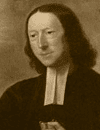 John Wesley
in Sermon on the Mount, 2
Read in context
Righteousness, as was observed before, is the image of God, the mind which was in Christ Jesus.
John Wesley
in Sermon on the Mount, 2
Read in context
He can find no comfort in anything but this: He can be satisfied with nothing else.
John Wesley
in Sermon on the Mount, 2
Read in context
And it is as impossible to satisfy such a soul, a soul that is athirst for God, the living God, with what the world accounts religion, as with what they account happiness.
John Wesley
in Sermon on the Mount, 2
Read in context
God shall satisfy them with the blessings of his goodness, with the felicity of his chosen.
John Wesley
in Sermon on the Mount, 2
Read in context
He shall give them to drink of his pleasures as out of the river, which he that drinketh of shall never thirst, only for more and more of the water of life.
John Wesley
in Sermon on the Mount, 2
Read in context
There are also spiritual hunger and spiritual thirst, which are as truly natural as the former.
 Charles Finney
in The Essential Elements of Christian Experience
Read in context
It is a longing desire to realize the idea of spiritual and moral purity.
Charles Finney
in The Essential Elements of Christian Experience
Read in context
All these feelings may have preceded, but the hungering after righteousness is none of these.
Charles Finney
in The Essential Elements of Christian Experience
Read in context
Here it is, that he begins more immediately to act in the quality of a Comforter, and convinces the soul so powerfully of the reality and all-sufficiency of Christ's righteousness, that the soul is immediately set a hungering and thirsting after it.
 George Whitefield
in The Holy Spirit Convincing the World of Sin, Righteousness, and Judgment. (John 16:8)
Read in context
To labor under a burden of sin, against powerful temptations, a body of sin and death, and a whole host of lusts and corruptions, will make a man hunger after a righteousness better than his own.
 J.C. Philpot
in The Good Shepherd and His Work
Read in context
These heaven-given appetites are the proof of a renewed heart, the evidence of a stirring spiritual life.
 E.M. Bounds
in Prayer and Desire
Read in context
Physical appetites are the attributes of a living body, not of a corpse, and spiritual desires belong to a soul made alive to God.
E.M. Bounds
in Prayer and Desire
Read in context
More than that: desire must be made intensely personal, must be centered on God with an insatiable hungering and thirsting after him and his righteousness.
E.M. Bounds
in Prayer and Desire
Read in context
One who has no craving for that which is good, no thirst for God, no yearning to be holy, to be like Christ, to be filled with the Spirit--is spiritually dead!
 J.R. Miller
in A Devotional Study of the Beatitudes
Read in context
We are not to infer that the hunger is fully satisfied at once, that the moment one begins to long for righteousness, desire ceases.
J.R. Miller
in A Devotional Study of the Beatitudes
Read in context
Every Christian, though but a babe in grace, hungers and thirsts after righteousness, and desires the sincere milk of the word, that he may grow thereby.
 Edward Payson
in The Day of Small Things Not to Be Despised.
Read in context
The soul that hungers and thirsts after righteousness is the soul of a Christian.
Charles Finney
in Lecture Xvii. - False Comforts for Sinners.
Read in context
It is a sign of bad health when a person loses relish for his food; and it is a sign of spiritual decline when we lose our appetite for means of grace.
 J.C. Ryle
in Growth
Read in context
Satisfaction with one's attainments or achievements in any line--but especially in spiritual life and in personal holiness--is an unhealthy condition--and may be a mark of incipient spiritual decay.
J.R. Miller
in The Blessedness of Longing
Read in context
The highest state is one of hunger and thirst--intense desire for more life, more holiness, more power, closer communion with God, more of the divine likeness in the soul.
J.R. Miller
in The Blessedness of Longing
Read in context
The ideal Christian life is one of insatiable thirst, never pausing in any arbor of spiritual contentment--but ever wooed on by visions of new joys and attainments.
J.R. Miller
in The Blessedness of Longing
Read in context
Contentment is one of the graces and duties enjoined upon the Christian--but spiritual hunger is not incompatible with either peace or contentment.
J.R. Miller
in The Blessedness of Longing
Read in context
Longing is the empty hand reached out to receive new gifts from heaven!
J.R. Miller
in The Blessedness of Longing
Read in context
It is the heart's cry which God hears with acceptance, and answers with more and more.
J.R. Miller
in The Blessedness of Longing
Read in context
But alas, nothing proves so conclusively the fallen nature of man as the general, common want of spiritual appetite.
J.C. Ryle
in If Any Man
Read in context
Christ is that Fountain of living water which God has graciously provided for thirsting souls.
J.C. Ryle
in Thirst Relieved
Read in context
And therefore this is the nature of spiritual affections, that the greater they be, the greater the appetite and longing is, after grace and holiness.
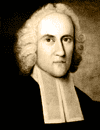 Jonathan Edwards
in The Higher They Are Raised, the More Is a Longing of Soul After Spiritual Attainments Increased.
Read in context
The inward desires of the Christian after more holiness, more communion with God and more love to Christ are not so much a thirst for Grace as the bubbling up of the well of spiritual life which is in the soul already!
C.H. Spurgeon
in Holy Water
Read in context
It is a principle in Scripture that for anything precious that we are to receive from God, we must hunger and thirst for it first.
 Zac Poonen
in (God-Centered Praying) 8. Freedom From Evil
Read in context
What we need is a zealous hunger for God, an avid thirst after righteousness, a pain-filled longing to be Christlike and holy.
 A.W. Tozer
in Spiritual Fervor or Frenzied Activity
Read in context
What Scripture says
- Matthew 5:6 the blessing and the promise
- Luke 6:25 woe to those who are well fed now
- Luke 1:53 God fills the hungry and sends the rich away empty
- Psalm 42:2 the soul's thirst for the living God
- Isaiah 55:2 nothing else is bread
- Philippians 3:9 the righteousness from God on the basis of faith
- 1 Corinthians 1:30 Christ has become our righteousness and holiness
- John 6:35 whoever comes to Christ will never hunger
- Psalm 107:9 He satisfies the thirsty and fills the hungry
- Philippians 3:12 Paul still pressing on
- Psalm 17:15 satisfied at last in His presence
How this page is made: the quotes are taken word for word from sermons on SermonIndex and checked against them by program before the page is published. The transcripts of audio and video sermons are machine-made, so follow the link to hear the words as they were spoken. The answer above the quotes is an overview with its sources listed; it is not a statement of doctrine by SermonIndex.