
The preachers quoted here describe repentance as a turning: from sin and idols to the living God, with a change of mind that shows in a change of life. They call it the response of an awakened soul to the Holy Spirit, a gift of grace as well as a command, and something that continues through the whole Christian life.
The New Testament words are metanoia and its verb metanoeo, which mean to think differently afterwards, to reconsider.12 The Old Testament most often uses shub, "to turn back".3 Put together they give the two sides that every full account of repentance keeps: a change of mind about sin and about God, and a turning of the life that follows from it.
Repentance stands at the front of the Bible's preaching. John the Baptist began with it (Matthew 3:2), and so did Jesus: "repent ye, and believe the gospel" (Mark 1:15). Peter's answer at Pentecost was "Repent, and be baptized every one of you" (Acts 2:38), and Paul summed up his own ministry as "repentance toward God, and faith toward our Lord Jesus Christ" (Acts 20:21). The risen Christ sent his disciples to preach "repentance and remission of sins" in his name among all nations (Luke 24:47).
Scripture is careful to separate repentance from mere regret. "Godly sorrow worketh repentance to salvation not to be repented of: but the sorrow of the world worketh death" (2 Corinthians 7:10). Judas was sorry and went out and hanged himself (Matthew 27:3-5); Peter wept and was restored. John the Baptist therefore demanded "fruits meet for repentance" (Matthew 3:8). The Puritan Thomas Watson defined it: "Repentance is a grace of God's Spirit, whereby a sinner is inwardly humbled and outwardly reformed."4 He set out six ingredients: sight of sin, sorrow for sin, confession of sin, shame for sin, hatred of sin, and turning from sin.
The Reformation began with this subject. The first of Luther's Ninety-five Theses says that Christ, in saying "Repent ye", "intended that the whole life of believers should be penitence."5 Calvin wrote, "Repentance consists in the mortification of the flesh and the quickening of the Spirit."6 The Westminster Shorter Catechism gathers it into one sentence: "Repentance unto life is a saving grace whereby a sinner out of a true sense of his sin and apprehension of the mercy of God in Christ does with grief and hatred of his own sin turn from it to God with full purpose of an endeavor after a new obedience."7
Repentance is both commanded and given. God "now commandeth all men every where to repent" (Acts 17:30); yet the apostles also say that God grants it (Acts 5:31; 11:18; 2 Timothy 2:25). Nor is it only for the beginning of the Christian life. Five of the seven churches in Revelation 2-3 are told to repent, and John Wesley preached a whole sermon against the common idea that "repentance and faith are only the gate of religion".8
Where teachers differ is over how much the word contains. Some, anxious to guard salvation by faith alone, define repentance simply as a change of mind about Christ. Most of the historic Protestant statements quoted above include in it a turning from sin, while agreeing that this turning is the fruit of grace and not a payment for it. On either account repentance and faith are never found apart: the same turn that is from sin is toward Christ.
- Strong's Greek 3341, metánoia: "(subjectively) compunction (for guilt, including reformation); by implication, reversal (of (another's)...".
- Strong's Greek 3340, metanoéō: "to think differently or afterwards, i.e. reconsider (morally, feel compunction)".
- Strong's Hebrew 7725, shûwb: "to turn back (hence, away) transitively or intransitively, literally or figuratively (not necessarily with...".
- Thomas Watson, The Doctrine of Repentance), "Section 2".
- Martin Luther, First Principles Of The Reformation, "Disputation of dr. martin luther concerning penitence and indulgences".
- John Calvin, The Institutes Of The Christian Religion, "Chapter 3. regeneration by faith. of repentance".
- Westminster Assembly, Westminster Shorter Catechism, "What is repentance unto life?".
- John Wesley, "The Repentance of Believers" (sermon).
In their own words
Each line below is quoted exactly from a sermon on this site. Follow the link to hear or read it where it was said.
So repentance means a change of mind leading to a change of behaviour, change of action.
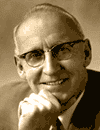 Alan Redpath
in Repentance
Listen at 23:40
Repentance is a turning from idols to the living God.
 Zac Poonen
in Repentance From Root of Sin
Listen at 20:11
Repentance is the response of the awakened soul to the Holy Spirit.
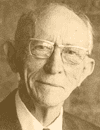 Vance Havner
in A Call to Repentance
Listen at 17:51
Repentance is the product of that work of the Holy Ghost producing conviction.
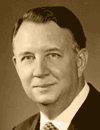 Paris Reidhead
in Except Ye Repent
Listen at 24:52
Repentance is not an act, it's a way of life.
 David Wilkerson
in Passing Under the Rod
Listen at 1:05:54
Repentance is a prerequisite at the door of the kingdom of God, and we repent or we perish.
 A.W. Tozer
in Amend Your Ways
Listen at 12:12
Where they differ
These preachers do not all put the weight in the same place. Some define repentance chiefly as a change of mind; others insist it is more than that. And some stress that it is entirely God's gift.
Repentance is a change of mind that involves the conscience.
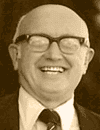 William MacDonald
in The Command to Repent
Listen at 4:59
The sorrow, contrition, repentance is more than just a change of your mind.
David Wilkerson
in Whatever Happened to Repentance?
Listen at 9:14
Repentance is simply a work of free and sovereign grace.
 E.W. Johnson
in Questions Concerning Repentance
Listen at 35:10
What Scripture says
- Mark 1:15 Jesus begins his preaching: repent, and believe the gospel
- Acts 2:38 Peter's answer to those cut to the heart at Pentecost
- Acts 20:21 repentance toward God and faith toward the Lord Jesus Christ
- 2 Corinthians 7:10 godly sorrow works repentance; worldly sorrow works death
- Luke 15:7 joy in heaven over one sinner who repents
How this page is made: the quotes are taken word for word from sermons on SermonIndex and checked against them by program before the page is published. The transcripts of audio and video sermons are machine-made, so follow the link to hear the words as they were spoken. The answer above the quotes is an overview with its sources listed; it is not a statement of doctrine by SermonIndex.