
The preachers quoted here describe fellowship as the shared life of those who belong to Christ, which flows from fellowship with God. They say believers are not made to live alone, and that fellowship gives warmth, wakefulness, protection and growth. They add that it is marked by love and walking in the light, and that it can only be kept by denying self.
Fellowship is the shared life of those who belong to Christ. The New Testament word means having in common, and what believers have in common is Christ Himself, so that they share with one another in worship, prayer, truth, burdens and material things. Luke says of the first church, "They devoted themselves to the apostles' teaching and to the fellowship, to the breaking of bread and to prayer." (Acts 2:42). Zac Poonen stated the purpose: "God wants us to live, not only in dependence on Him, but in fellowship with one another as well."1
A sharing that begins with God
Fellowship among believers comes from fellowship with God. John writes, "We proclaim to you what we have seen and heard, so that you also may have fellowship with us. And this fellowship of ours is with the Father and with His Son, Jesus Christ." (1 John 1:3). Paul says believers are called "into fellowship with His Son Jesus Christ our Lord" (1 Corinthians 1:9). F.B. Meyer, explaining the word communion, wrote, "The bond of such fellowship is always through the Holy Spirit."2 H.A. Ironside described its reach: "The fellowship of God's Son is that communion of saints embracing all believers everywhere, all who have been washed from their sins in the precious blood of Christ and indwelt by the Holy Spirit."3 It is not a club that people form. It is a relation God creates when He joins people to His Son.
One life in one body
Paul's picture is a body. "so in Christ we who are many are one body, and each member belongs to one another." (Romans 12:5). Richard Sibbes wrote, "The same Spirit of God that knits the members to the head by faith, knits the members one to another in love; and all grace is derived from the head to the members, as they are united to the body."4 Spurgeon drew out what follows from one shared life: "It is even thus in the body of Christ; no laws can prevent one living member of Christ from fellowship with every other, the pulse of living fellowship sends a wave through the whole mystical frame; where there is but one life, fellowship is an inevitable consequence."5 T. Austin-Sparks said, "There is one Body, and we are members one of another; and the importance of the individual has to be subjected to the importance of the whole Body."6 Since the life is one, fellowship is not an optional extra for the sociable. It belongs to being in Christ at all.
Not made to live alone
Christianity begins with the individual and does not end there. A.W. Tozer wrote, "Men are made for each other, and this is never more apparent than in the church."7 He spoke strongly of the believer who keeps to himself: "The religious solitary may gain on a few points, and he may escape some of the irritations of the crowd, but he is a half-man, nevertheless, and worse, he is a half-Christian."7 Spurgeon said, "Christianity never came into the world to make individual professors of it isolated, like the icebergs which float away on the wide sea in solitary terribleness; neither is it intended that we should be so anxious for our own salvation as to be indifferent to the welfare of others."8 He added, "True religion is not a separating and repelling force, but rather, like attraction, it draws individual atoms into one body and holds them together."9 A.B. Simpson, writing of the Passover as a meal eaten together, said, "The more narrow and isolated you are in your Christian life, the less full and rich it will be; and the larger your heart and the fuller your fellowship in Him, the more of Him will you enjoy."10
What the first church did
The pattern is in Acts. "All the believers were together and had everything in common." (Acts 2:44-46). They met daily, ate together, prayed together and shared their goods with any who were in need. The believers did not treat one another as strangers who happened to hold the same opinions. Thomas Reade wrote, "The declarations of Scripture are clear and decisive on the beauty and blessedness of Christian fellowship."11 Fellowship in Acts was practical. It could be seen in homes, at tables and in open hands.
Walking in the light
John ties fellowship to honesty before God. "But if we walk in the light as He is in the light, we have fellowship with one another, and the blood of Jesus His Son cleanses us from all sin." (1 John 1:7). Tozer commented, "He tells us here that if we walk in the light as our Lord is in the light, that we have fellowship one with another."12 Where sin is hidden, fellowship becomes a show. Where believers walk in the light, they can meet without pretence. James gives the practice: "confess your sins to each other and pray for each other so that you may be healed." (James 5:16).
Love is its mark
Jesus made love among His disciples the sign by which the world would know them. "A new commandment I give you: Love one another. As I have loved you, so you also must love one another." (John 13:34-35). Poonen said, "You cannot walk with God if you do not walk in love with your fellow-believer."13 John is as plain: "anyone who does not love his brother, whom he has seen, cannot love God, whom he has not seen." (1 John 4:20).
Warmth
Believers keep one another warm. "Two are better than one, because they have a good return for their labor. For if one falls down, his companion can lift him up; but pity the one who falls without another to help him up!" (Ecclesiastes 4:9-10). Whitefield used a common picture: "It is an observation no less true than common, that kindled coals, if placed asunder, soon go out, but if heaped together, quicken and enliven each other, and afford a lasting heat."14 Spurgeon used the same: "A coal must be very lively to burn alone, but many glowing coals laid together help to keep each other alight."15 Zeal that is left alone tends to cool, and a cold believer brought among warm ones is often revived.
Wakefulness and exhortation
Fellowship also keeps believers awake. "exhort one another daily, as long as it is called today, so that none of you may be hardened by sin's deceitfulness." (Hebrews 3:13). Sibbes wrote, "It is one of the best fruits of the communion of saints, and of our spiritual good acquaintance, to keep one another awake."16 Spurgeon said, "Christians who isolate themselves and stand alone are very liable to lie down and sleep on the settle or the soft couch, and go to sleep; but, if you talk much together, as they did in old time, you will find it extremely beneficial."17 "As iron sharpens iron, so one man sharpens another." (Proverbs 27:17). This means fellowship includes honest words and not only pleasant ones.
Protection
There is safety in it. "And though one may be overpowered, two can resist. Moreover, a cord of three strands is not quickly broken." (Ecclesiastes 4:12). Whitefield gave this as a reason for Christian society: "To give a third reason, mentioned by the wise man in the text, why two are better than one; because they can secure each other from enemies without."14 He said of the enemy, "The devil is fully sensible of this, and therefore he has always done his utmost to suppress, and put a stop to the communion of saints."14 Austin-Sparks wrote, "The church by its prayers, and counsel, and fellowship is a Divine provision against the tragedies which lie in the way of independence and isolation."18 The believer who walks alone is easier to deceive and easier to discourage.
Growth and fruit
Believers grow together. Paul says the body "grows and builds itself up in love through the work of each individual part." (Ephesians 4:15-16). Thomas Watson wrote, "The fellowship of saints is an excellent means for fruitfulness."19 Austin-Sparks said, "The true spiritual fellowship is essential to spiritual growth, to maturity, and that is what is meant spiritually by the House of God."20 Poonen pointed to Paul's prayer that we may know the love of Christ together with all the saints, and said, "It is only as we know the reality of fellowship with the believers God places us with, that we shall be able to enter into an experiential understanding of the love of Christ and of the fullness of God."13 Matthew Henry called the communion of saints "a great help and privilege, and a means of stedfastness and perseverance."21
Bearing burdens and praying
Fellowship shares trouble as well as joy. "Carry one another's burdens, and in this way you will fulfill the law of Christ." (Galatians 6:2). "If one part suffers, every part suffers with it; if one part is honored, every part rejoices with it." (1 Corinthians 12:26). Spurgeon counted prayer for another believer as a real act of fellowship: "He who intercedes for a saint because he desires his well-being as a member of the one family, enters into fellowship with his brother in the offering of prayer."22 Paul looked for the same exchange with the Romans: "that you and I may be mutually encouraged by each other's faith." (Romans 1:11-12).
Meeting together
Fellowship needs actual meeting. "And let us consider how to spur one another on to love and good deeds. Let us not neglect meeting together, as some have made a habit, but let us encourage one another, and all the more as you see the Day approaching." (Hebrews 10:24-25). Malachi records what God thinks of such meetings: "those who feared the LORD spoke with one another, and the LORD listened and heard them." (Malachi 3:16). Spurgeon said of gathering with other believers, "We are never happier than when we are in fellowship with one another and with our Lord."23 A person cannot spur on, encourage or be encouraged by people he never sees. Jesus attached a promise to such gatherings, however small: "where two or three gather together in My name, there am I with them." (Matthew 18:20). His presence is what makes a meeting of believers more than a meeting.
More than friendship
Christian fellowship is deeper than ordinary company. J.R. Miller wrote, "Christian fellowship is the only union of hearts and lives possible in this world."24 It rests on a shared relation to Christ, so it can join people who have little else in common. Paul marks its limit: "what fellowship does light have with darkness?" (2 Corinthians 6:14). Austin-Sparks valued it highly: "The most precious and blessed thing that Christians have inherited through the sovereign Lordship of Jesus Christ in their hearts is their fellowship with one another."25
What spoils it
Fellowship is easily damaged. John Flavel named the causes: "It is the pride, passion and earthliness of our hearts, that has spoiled Christian fellowship."26 Poonen said it can only be kept at a cost to self: "It's when we try to live together in loving fellowship with others that we'll find how much we need to deny ourselves and take up the cross every day, if we want to maintain fellowship."1 The psalmist shows what is kept when the cost is paid: "Behold, how good and pleasant it is when brothers live together in harmony!" (Psalm 133:1).
Its witness to the world
Fellowship is also part of the church's testimony. Jesus said, "By this everyone will know that you are My disciples, if you love one another." (John 13:34-35). Poonen said, "The Church can fulfil her God-ordained function as the light of the world only when there is true Christian fellowship among her members."13 A church that preaches reconciliation with God and does not live in peace within itself contradicts its own message.
How to practise it
Join yourself to a company of believers and meet with them regularly. Speak with them of the Lord and His word. Pray for them by name. Share what you have with those in need. Confess your faults and forgive theirs. "Therefore encourage and build one another up, just as you are already doing." (1 Thessalonians 5:11). The psalmist's rule is a good one: "I am a friend to all who fear You, and to those who keep Your precepts." (Psalm 119:63).
- Zac Poonen, "(A Good Foundation) 9. Fellowship and the Church" (sermon).
- F.B. Meyer, "Our Daily Homily - 2 Corinthians" (sermon).
- Harry A. Ironside, Writings of Harry A Ironside - Volume 1, "We Preach Christ Crucified".
- Richard Sibbes, Glorious Freedom, "We have boldness in the gospel".
- C.H. Spurgeon, Feathers for Arrows, ""C" Feathers".
- T. Austin-Sparks, "The Corporate Vessel (1 Corinthians 12:12)" (sermon).
- A.W. Tozer, "We Need Church Family" (sermon).
- C.H. Spurgeon, Spurgeons Sermons Volume 17 1871, "The Pastor's Parting Blessing".
- C.H. Spurgeon, Spurgeons Sermons Volume 17 1871, "The Pastor's Parting Blessing".
- A.B. Simpson, "(The Names of Jesus) 6. Christ our Passover" (sermon).
- Thomas Reade, "Christian Fellowship" (sermon).
- A.W. Tozer, "'If Any Man Sin'" (sermon).
- Zac Poonen, "(One Body in Christ) 1. One Body - the Basis of Fellowship" (sermon).
- George Whitefield, "The Necessity and Benefits of Religious Society" (sermon).
- C.H. Spurgeon, "A Call To Worship" (sermon).
- Sibbes, Union with Christ, "The fourth sermon".
- C.H. Spurgeon, Spurgeons Sermons Volume 2 1856, "The Enchanted Ground".
- T. Austin-Sparks, "The Local Expression of the Church" (sermon).
- Thomas Watson, "The Trees of Righteousness Blossoming and Bringing Forth Fruit" (sermon).
- T. Austin-Sparks, "The House Not Made With Hands" (sermon).
- Matthew Henry , Matthew Henrys Concise Commentary On The Bible, "Hebrews Chapter 10".
- C.H. Spurgeon, Till He Come, "The Spiced Wine of My Pomegranate; Or, The Communion of Communication".
- C.H. Spurgeon, "The Statute of David for the Sharing of the Spoil" (sermon).
- James R. Miller, Writings of James R Miller - Volume 1, "Volume 8 contd".
- T. Austin-Sparks, "The Proclamation of the Kingdom" (sermon).
- John Flavel, Writings of John Flavel, "c. Proverbs 4:23, The Text Explained".
In their own words
Each line below is quoted exactly from a sermon on this site. Follow the link to hear or read it where it was said.
God wants us to live, not only in dependence on Him, but in fellowship with one another as well.
 Zac Poonen
in (A Good Foundation) 9. Fellowship and the Church
Read in context
It's when we try to live together in loving fellowship with others that we'll find how much we need to deny ourselves and take up the cross every day, if we want to maintain fellowship.
Zac Poonen
in (A Good Foundation) 9. Fellowship and the Church
Read in context
The bond of such fellowship is always through the Holy Spirit.
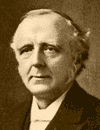 F.B. Meyer
in Our Daily Homily - 2 Corinthians
Read in context
There is one Body, and we are members one of another; and the importance of the individual has to be subjected to the importance of the whole Body.
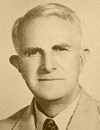 T. Austin-Sparks
in The Corporate Vessel (1 Corinthians 12:12)
Read in context
Men are made for each other, and this is never more apparent than in the church.
 A.W. Tozer
in We Need Church Family
Read in context
The religious solitary may gain on a few points, and he may escape some of the irritations of the crowd, but he is a half-man, nevertheless, and worse, he is a half-Christian.
A.W. Tozer
in We Need Church Family
Read in context
The more narrow and isolated you are in your Christian life, the less full and rich it will be; and the larger your heart and the fuller your fellowship in Him, the more of Him will you enjoy.
 A.B. Simpson
in (The Names of Jesus) 6. Christ our Passover
Read in context
The declarations of Scripture are clear and decisive on the beauty and blessedness of Christian fellowship.
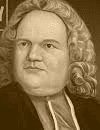 Thomas Reade
in Christian Fellowship
Read in context
He tells us here that if we walk in the light as our Lord is in the light, that we have fellowship one with another.
A.W. Tozer
in 'If Any Man Sin'
Read in context
You cannot walk with God if you do not walk in love with your fellow-believer.
Zac Poonen
in (One Body in Christ) 1. One Body - the Basis of Fellowship
Read in context
It is only as we know the reality of fellowship with the believers God places us with, that we shall be able to enter into an experiential understanding of the love of Christ and of the fullness of God.
Zac Poonen
in (One Body in Christ) 1. One Body - the Basis of Fellowship
Read in context
The Church can fulfil her God-ordained function as the light of the world only when there is true Christian fellowship among her members.
Zac Poonen
in (One Body in Christ) 1. One Body - the Basis of Fellowship
Read in context
It is an observation no less true than common, that kindled coals, if placed asunder, soon go out, but if heaped together, quicken and enliven each other, and afford a lasting heat.
 George Whitefield
in The Necessity and Benefits of Religious Society
Read in context
To give a third reason, mentioned by the wise man in the text, why two are better than one; because they can secure each other from enemies without.
George Whitefield
in The Necessity and Benefits of Religious Society
Read in context
The devil is fully sensible of this, and therefore he has always done his utmost to suppress, and put a stop to the communion of saints.
George Whitefield
in The Necessity and Benefits of Religious Society
Read in context
A coal must be very lively to burn alone, but many glowing coals laid together help to keep each other alight.
 C.H. Spurgeon
in A Call To Worship
Read in context
The church by its prayers, and counsel, and fellowship is a Divine provision against the tragedies which lie in the way of independence and isolation.
T. Austin-Sparks
in The Local Expression of the Church
Read in context
The fellowship of saints is an excellent means for fruitfulness.
 Thomas Watson
in The Trees of Righteousness Blossoming and Bringing Forth Fruit
Read in context
The true spiritual fellowship is essential to spiritual growth, to maturity, and that is what is meant spiritually by the House of God.
T. Austin-Sparks
in The House Not Made With Hands
Read in context
We are never happier than when we are in fellowship with one another and with our Lord.
C.H. Spurgeon
in The Statute of David for the Sharing of the Spoil
Read in context
The most precious and blessed thing that Christians have inherited through the sovereign Lordship of Jesus Christ in their hearts is their fellowship with one another.
T. Austin-Sparks
in The Proclamation of the Kingdom
Read in context
What Scripture says
- Acts 2:42 they devoted themselves to the fellowship
- 1 John 1:3 fellowship with us, and with the Father and His Son
- 1 John 1:7 if we walk in the light, we have fellowship with one another
- Hebrews 10:24-25 let us not neglect meeting together
- Romans 12:5 each member belongs to one another
- Ecclesiastes 4:9-10 two are better than one
- John 13:34-35 love one another
- Galatians 6:2 carry one another's burdens
- Hebrews 3:13 exhort one another daily
- Psalm 133:1 brothers living together in harmony
How this page is made: the quotes are taken word for word from sermons on SermonIndex and checked against them by program before the page is published. The transcripts of audio and video sermons are machine-made, so follow the link to hear the words as they were spoken. The answer above the quotes is an overview with its sources listed; it is not a statement of doctrine by SermonIndex.